
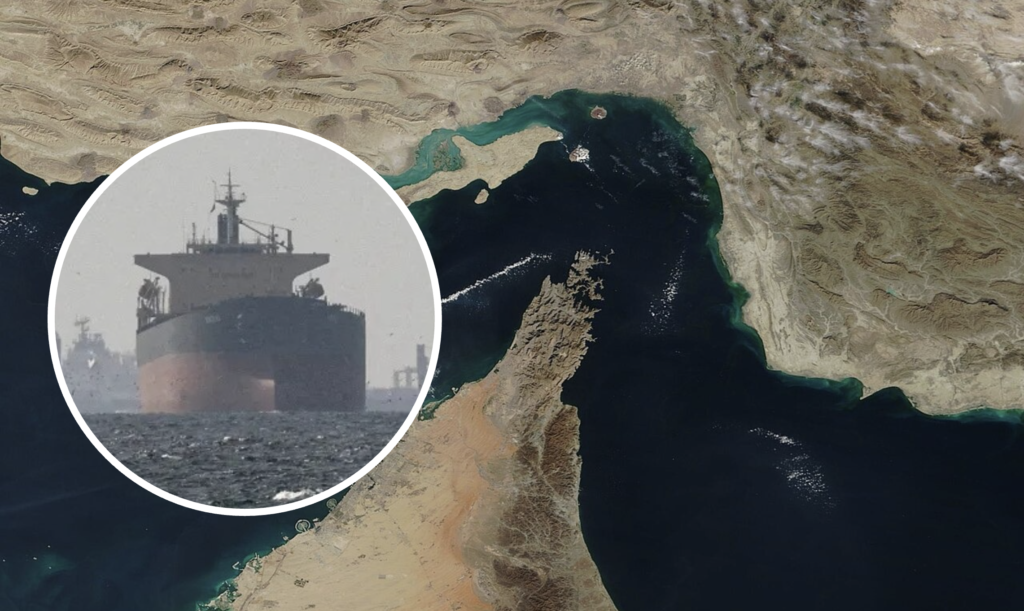
Iran – The situation in the Strait of Hormuz has reached a point of maximum tension as of April 14, 2026, becoming the epicenter of a reciprocal naval siege that threatens to collapse global energy flows. What began as a unilateral closure by Iran at the end of February has evolved into a total blockade imposed by the United States, marking a new and dangerous phase in the armed conflict between Washington and Tehran.
The American siege, announced by CENTCOM and formally carried out since the morning of Monday, April 13, seeks to definitively strangle the Iranian economy. Under direct orders from the White House, destroyers and carrier strike groups of the U.S. Navy have established a perimeter that blocks not only the exit of crude from Iranian ports, but also the entry of any commercial supply into the Islamic Republic.
The president Donald Trump has been blunt about it, warning that any Iranian vessel that challenges the blockade will be “eliminated immediately,” a rhetoric that aims to force Tehran to renounce its nuclear ambitions and to accept an unconditional reopening of the sea lane.
More than 10 thousand sailors, Marines and airmen, together with more than a dozen warships and dozens of aircraft, are carrying out the blockade.
For its part, Iran maintains its own blockade of the strait, which it regards as its main tool of defense and geopolitical leverage. The Revolutionary Guard forces have laid naval mines and deployed anti-ship missile batteries along the coast, allowing passage only to ships from allied nations or those that adopt a diplomatic posture contrary to American interests.
Tehran has labeled the coalition’s actions as “modern piracy” and has conditioned any easing in Hormuz on the complete lifting of economic sanctions and the recognition of its right to enrichment of uranium for civilian purposes.
The impact of this double blockade is already devastating for the international economy. Fuel prices have risen by more than 10%, driving up global inflation and creating shortages in supply markets in Europe and Asia. Maritime insurance has surged to prohibitive levels, leaving hundreds of tankers stranded outside the Persian Gulf due to the risk of being caught in crossfire or intercepted by the disputing navies.
Despite the clamor of swords, a small diplomatic window seems to be opening. Pakistan has sent a formal proposal to initiate a new round of negotiations in Islamabad toward the end of this week. Although the atmosphere is one of total distrust (especially after the fragile two-week ceasefire that preceded this escalation), both Washington and Tehran have given ambiguous signals of being willing to resume dialogue.
The world watches closely to see if diplomacy will be able to deactivate this naval siege before the “finger on the trigger” of both sides unleashes a confrontation of unpredictable consequences.