
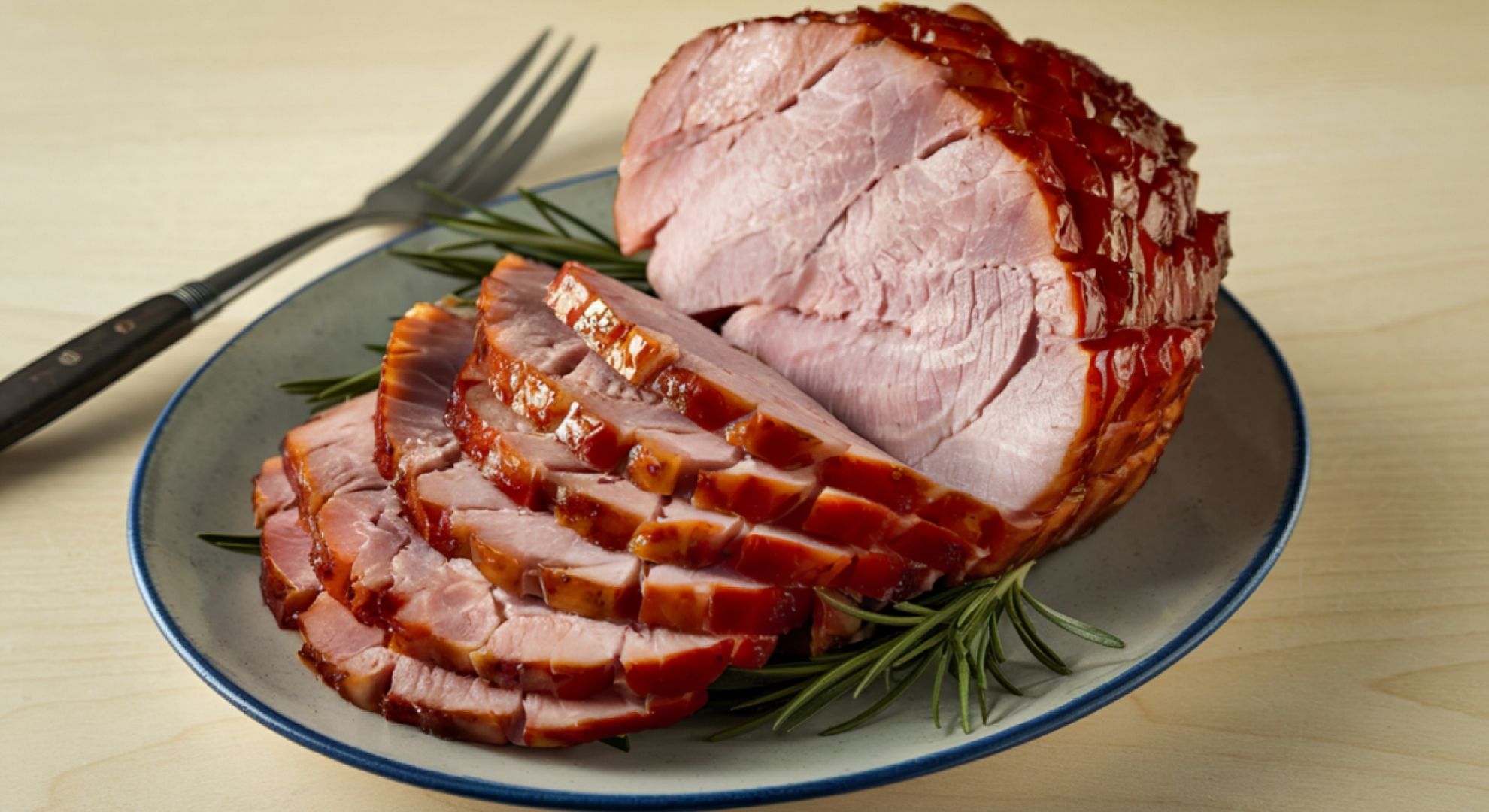
You know the routine: open the fridge, grab the slices, stack them high, and call it lunch. That tidy habit hides a problem nutrition pros have been flagging for years. The go-to culprit isn’t the bread or the lettuce. It’s the ultra-convenient deli meat—especially those “lean” turkey slices that seem so harmless.
“Processed is the problem, not the protein,” as many dietitians like to say. And the science backs that up.
What’s the real risk in those slices?
The main concern is chronic disease. The World Health Organization classifies processed meat—including turkey, chicken, ham, and bologna—as a Group 1 carcinogen for colorectal cancer. A daily 50-gram serving (about two ounces) is linked to an estimated 18% higher risk of colorectal cancer. That association isn’t about one bad sandwich; it’s about habit.
Cardiometabolic issues pile on. Processed meats tend to be sky-high in sodium, which drives blood pressure, and they’re tied to greater risk of coronary heart disease and type 2 diabetes. As one public-health mantra puts it: “Dose matters.”
Why “lean turkey” isn’t a free pass
Deli turkey is low in fat, but it’s still “processed” if it’s cured, brined, or preserved with additives. Many brands pack 300–600 mg of sodium into just two ounces—and most sandwiches double that portion. That much sodium, day after day, nudges blood pressure upward.
The “uncured” or “no nitrites added” labels? They often use celery powder or juice that still generates nitrite in the meat. Different route, same result.
What nitrites do—and don’t
Nitrite keeps meat pink, fights spoilage, and adds signature flavor. In the gut, nitrite can help form N-nitroso compounds, which are biologically active and potentially carcinogenic. Heat can boost some reactions, but you don’t need a frying pan for these chemistries to matter.
“Natural” nitrites aren’t necessarily safer. The body reads nitrite as nitrite, whether it comes from salt or from celery extract.
Daily habits that magnify the damage
It’s the pattern, not the one-off picnic. A daily stack of slices plus chips, soda, and a desk-bound afternoon creates a perfect storm: high sodium, low fiber, and few protective phytonutrients. Over time, that combo strains the heart, the microbiome, and metabolic health.
Small stack, big effect. “What you do most days shapes your risk,” as one RD reminds clients.
Smarter sandwich moves
- Swap processed slices for home-roasted chicken, tofu, or lentil loaves; use hummus, smashed beans, or canned salmon (rinse to cut sodium); load on crunchy veg, avocado, and spicy mustard; choose whole-grain bread or a veggie wrap.
How to shop if you still want the convenience
If you’re keeping deli meat in the rotation, make it a sometimes food. Aim for once or twice a week, not every day. Scan labels with a skeptical eye:
- Look for lower sodium (ideally under ~360 mg per two ounces) and smaller portions.
- Skip brands with “added nitrates/nitrites” high on the list.
- Remember “uncured” often still means nitrites via celery powder.
- Pair with fiber-rich sides (leafy greens, beans, whole grains) to support your gut.
Practical trick: buy the smallest package, pre-portion two ounces, and freeze what you won’t use in three to five days. “If it’s out of sight, it’s easier to keep serving sizes in check.”
A note on safety you shouldn’t ignore
Beyond chronic disease, there’s food safety: deli meats can carry Listeria, a bacterium risky for pregnant people, older adults, and the immunocompromised. Keep the fridge at or below 40°F, use within 3–5 days, and for high-risk groups, reheat to steaming. Ask the deli to change gloves and slice from a clean machine.
The bigger picture
Your sandwich can still be satisfying without the daily deli habit. Rotate in whole-food proteins, dial back on sodium, and crowd the plate with colorful plants. “Processed is the problem, and frequency is the lever.” Nudge that lever, even a little, and your future self—heart, colon, and all—gets a better deal.