
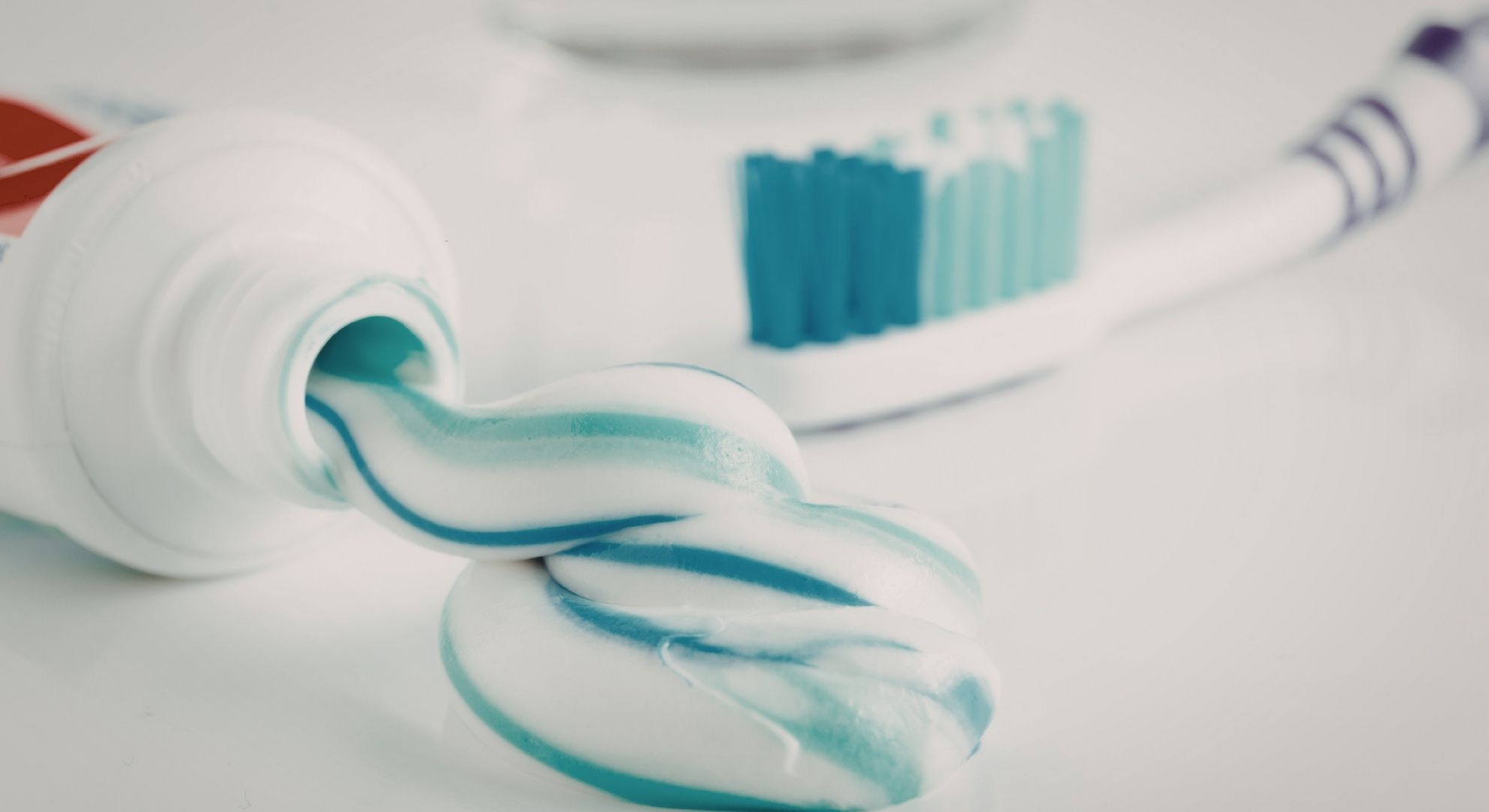
A fixture of the American medicine cabinet hides an awkward truth: that glossy, pearl-white sheen often comes from an ingredient Europe no longer wants in its food. The spotlight is on titanium dioxide, a ubiquitous pigment that brightens everything from candy coatings to your daily toothpaste.
The pigment behind that perfect white
Titanium dioxide, or TiO2, is a brilliantly white mineral used to make toothpaste look clean, uniform, and reassuringly opaque. In many formulas it appears right on the label as “titanium dioxide (color),” a small addition that creates a big cosmetic effect. Some variants are engineered at nano scale for specific functions, while others are larger, traditional particles.
In toothpaste, TiO2 is not about cavities or fresh breath; it’s there for look and feel. That means it’s not an active ingredient like fluoride, and switching away from it doesn’t change how you brush. Several big brands have already reformulated certain SKUs, while others still keep TiO2 on the roster.
Why European regulators drew a line
In 2021, the European Food Safety Authority reviewed TiO2 as a food additive and concluded bluntly: “E171 can no longer be considered safe as a food additive.” The concern wasn’t a proven, dramatic harm, but lingering uncertainty about potential genotoxicity—tiny DNA-level effects that regulators don’t want to gamble with. Acting on that science, the EU removed TiO2 from approved foods.
It’s crucial context: the decision was specific to eating, not to cosmetic or oral-care use. Toothpaste is regulated as a cosmetic in Europe and the United States, and the EU still allows TiO2 in many non-food applications, with tighter rules where inhalation is a risk. The stance reflects the European precautionary approach: when doubt persists, reduce exposure.
The American rulebook hasn’t changed much
In the United States, TiO2 remains legal in foods (with a 1% by weight cap) and broadly permitted in cosmetics, including toothpaste. The FDA has not issued a parallel ban, and many manufacturers continue to rely on TiO2 for that familiar white. You can see the split on store shelves: clear gels and naturally tinted pastes on one side, classic white formulas on the other.
Health authorities also keep the route of exposure in view. IARC classifies TiO2 as “possibly carcinogenic to humans” based on inhalation of industrial dust, which doesn’t map neatly onto brushing and rinsing. For oral care, the practical question is how much is swallowed, how often, and over what time. Regulators in the U.S. say the current evidence doesn’t justify a cosmetic ban, but they are tracking evolving data.
What this means for your sink-side routine
If you’d rather skip titanium dioxide, you can. Plenty of effective pastes avoid pigments altogether, relying on clear gels, silica polishers, and standard therapeutic fluoride. Your teeth don’t need a bright white paste to get a proper clean—they need time, technique, and proven actives.
A practical path forward:
- Read the label: look for “titanium dioxide” or “CI 77891” if you want to avoid this colorant.
- Keep the fluoride: choose TiO2-free options that still protect against cavities.
- Ask your dentist: bring your brand and get a quick, personalized take.
Experts emphasize proportion and behavior. You shouldn’t swallow your toothpaste; you should brush for two minutes, spit, and rinse lightly if you prefer to leave a thin film of fluoride behind. For children, a smear or pea-sized amount reduces incidental swallowing while preserving benefit.
Industry signals and what to watch next
Behind the scenes, big and niche brands are running trials to replace TiO2 with alternative opacifiers, plant-based tints, or nothing at all. Supply chains are experimenting with calcium carbonate, mica, and adjusted silica blends to achieve a familiar look without the same regulatory heat. Reformulation takes time: it must keep texture, shelf life, and taste consistent while passing stability and safety checks.
Policy may keep moving. European restrictions already reshaped foods, and microplastics rules are changing how rinse-off cosmetics are built. In the U.S., petitions and advocacy groups continue pressing FDA to revisit titanium dioxide in foods, which can ripple into consumer expectations for personal care. Even without a mandate, market pressure often pushes brands to “design out” ingredients that spark recurring headlines.
“E171 can no longer be considered safe as a food additive” was a watershed phrase because it reframed a long-trusted pigment as a question mark. For everyday brushing, the fix is simple: pick a paste that does what you need—strong fluoride, gentle abrasives, tolerable flavor—and, if you wish, leaves titanium dioxide on the shelf. The shine on your sink doesn’t have to come from a colorant Europe chose to keep off its plate.