
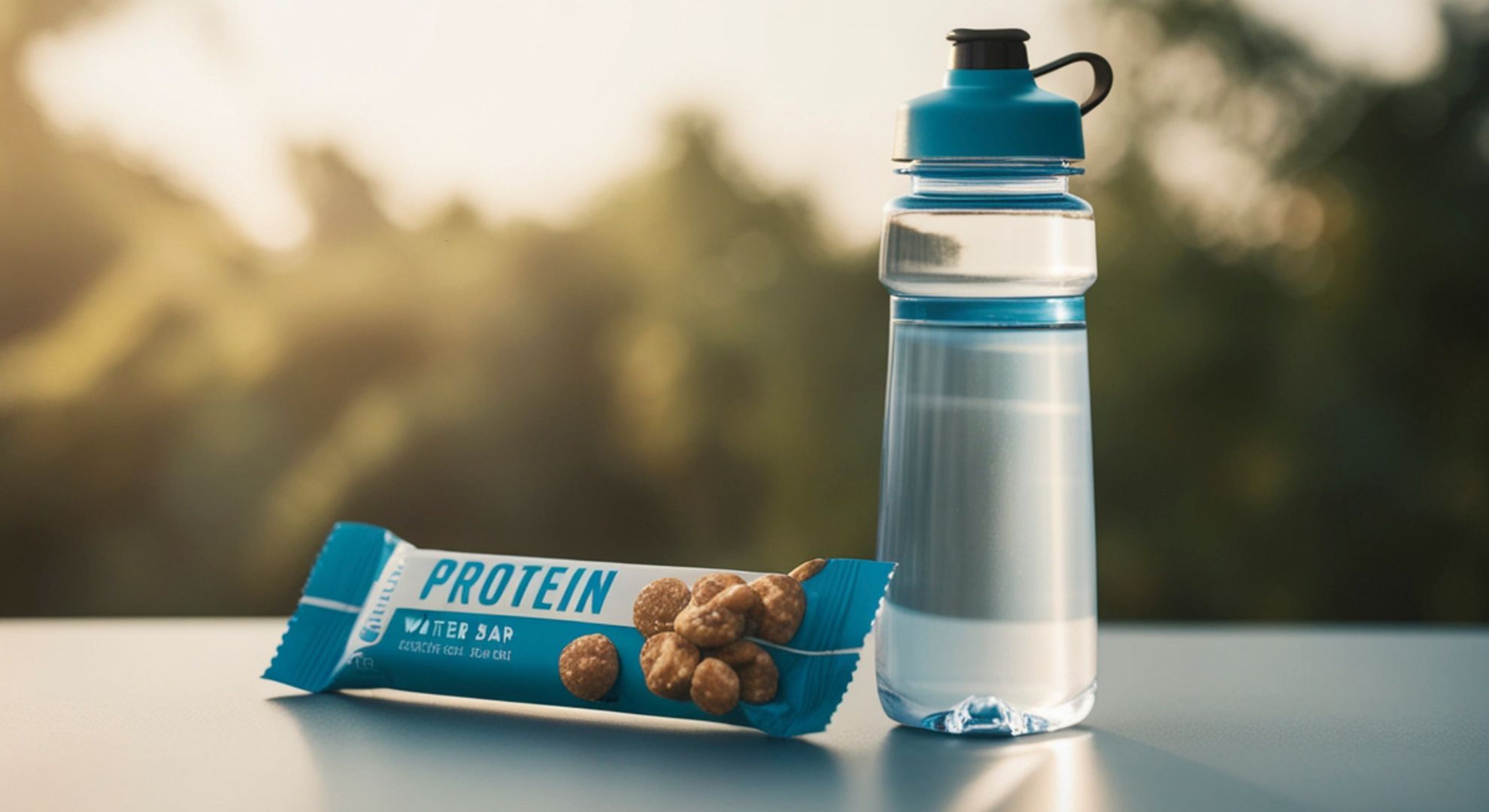
The wellness internet loves a protein bar that looks virtuous, tastes like dessert, and slides into an afternoon workout routine without a second thought. But several bars being hyped by fitness influencers hide a surprisingly dense load of saturated fat—enough to rival, and sometimes exceed, what you’d get in a drive‑thru cheeseburger. As one registered dietitian told me, “You’re basically eating a candy bar with a protein halo.”
The saturated fat surprise
Many influencer‑approved bars clock in at 8–11g of saturated fat, while a standard fast‑food cheeseburger lands around 6g of saturated fat. For context, the Dietary Guidelines advise keeping saturated fat under 10% of daily calories, and the American Heart Association suggests closer to 6%—about 13 grams for a 2,000‑calorie diet. “One bar can torch half your day’s budget before dinner,” said a registered dietitian, “and that math adds up fast.”
Why influencers keep recommending it
On camera, these bars look clean, list “whey” or “pea” protein, and promise satiety in a portable wrapper. The macros appear friendly—20g protein, modest carbs, and a sweet‑tooth‑approved flavor. The catch is the fat matrix: ingredients like palm kernel oil, cocoa butter, or added coconut can quietly spike saturated fat, while sugar alcohols and chicory fiber blunt the perceived sugar hit.
What that means for your goals
High saturated fat isn’t just a heart‑health footnote; it can alter the nutrient trade‑offs of your snack. If 40–60% of a bar’s calories come from fat, you’re paying a protein premium for something that behaves like a candy bar metabolically. “For muscle repair, what you need is protein quality and overall diet pattern—not stealthy saturated fat,” the RD explained.
The protein quality puzzle
Some bars pair decent protein with fatty binders, driving that dessert‑like texture you see on TikTok. Others use milk‑derived or soy isolates that digest well, but then compensate for flavor with layers, coatings, and oil‑heavy fillers. “A great bar doesn’t need a fudge‑style shell or a glossy glaze to taste good,” said the registered dietitian. “If the coating melts like chocolate, you’re often getting dessert levels of saturated fat.”
How to read the label like a pro
Before you toss a bar into your gym bag, do a 10‑second scan that cuts through the marketing fog:
- Look for ≤3g saturated fat per bar, ≥15–20g protein, and ≤8g added sugar; favor oils like canola or sunflower, not palm kernel or coconut oil.
When a high‑fat bar can still fit
Context matters, not panic. If the rest of your day is rich in unsaturated fats—think olive oil, nuts, and fish—an occasional high‑fat bar won’t torpedo your health. Pre‑hike or long travel days, a more energy‑dense bar might even be useful. The goal is informed choice, not all‑or‑nothing thinking.
Better swaps that still feel like a treat
If you crave a dessert‑leaning bite, pick bars that use crisped soy, whey isolate, or nut‑and‑seed bases with mostly unsaturated fats. Greek yogurt with whey powder and fruit gives a creamy‑sweet profile without the stealthy saturated load. Cottage cheese, cacao nibs, and a drizzle of honey can hit the same notes, minus the oil‑heavy coating.
The blood‑work angle you can’t see on social
Influencer abs don’t show LDL cholesterol, but your labs will. Habitual high saturated fat can raise LDL, a key risk factor for heart disease, even in active, lean people. “Fitness doesn’t grant immunity from nutrition basics,” said the registered dietitian. “Your arteries don’t watch Reels—they respond to what you actually eat.”
Red flags on the wrapper
Be wary of vague claims like “keto,” “zero guilt,” or “clean energy” without a balanced macro picture. A long ingredient list featuring multiple oils, sugar alcohols, and stabilizers is a telltale sign. If fiber is sky‑high but your stomach feels off, you may be reacting to chicory root or inulin‑heavy formulas.
A simple rule of thumb
If a bar tastes like a candy bar, check whether it’s built like one too. Aim for protein‑forward, fiber‑supportive, and fat that’s mostly unsaturated. Think of saturated fat as a budget: spend it on foods you truly love, not on a glossy coating hiding under a wellness filter.
What to do next
Audit your go‑to snack: read the label, note the saturated fat, and compare it to a basic cheeseburger for a reality check. If the number is higher, rotate in a lower‑sat‑fat option most days and save the heavy hitter for specific situations. “Small swaps beat willpower every time,” the dietitian said. “Pick a bar that serves your goals, not just your feed.”