
The office microwave hums, the plastic tray clicks, and a steaming lunch lands on your desk. It’s quick, it’s cheap, and it tastes just salty enough to feel satisfying. But that salty hit can quietly pack as much sodium as an entire bag of chips, a jolt your heart would rather skip—especially when it happens daily.
How much salt are we talking about?
Many frozen entrées, from creamy pastas to saucy bowls, routinely land between 900 and 1,400 milligrams of sodium per serving—sometimes more if the tray hides “two servings.” That’s in the neighborhood of what you’d get from eating a full 8–10 ounce bag of potato chips, which can hover around 1,200–1,600 milligrams of sodium.
“The number that matters is your total,” says a board-certified cardiologist. “From a blood-pressure perspective, your arteries don’t care whether the salt arrives in pasta sauce or crumbled crisps—sodium is sodium.”
The American Heart Association advises keeping daily sodium under 2,300 milligrams, moving toward an ideal 1,500. One desk lunch can easily devour half—sometimes nearly all—of that budget.
Why all that sodium sneaks into frozen lunches
Sodium is a powerful multitasker. It boosts flavor, steadies texture after freezing, and extends shelf life. Thick gravies, melty cheeses, and breaded coatings need salt to taste bold after a microwave blast. Plus, sauces cling to noodles and rice, giving every bite more seasoning than you’d guess from a quick glance at the label.
Portions can be tricky, too. A tray that looks “single-serve” may actually list two servings. That doubles your sodium if you polish off the whole thing—which most people do when they’re hungry.
What that midday salt bomb does to your body
“In the short term, sodium is a volume expander,” the cardiologist explains. “It pulls water into your bloodstream, pushing up pressure inside your blood vessels.” You might feel puffy, thirsty, or oddly sluggish an hour after lunch.
Over months and years, consistently high intake makes your arteries less flexible, nudges blood pressure upward, and raises the risk of heart disease and stroke. If you already have hypertension, that daily tray can act like a subtle accelerator.
Read the label like a pro
Before your next tap of the “Start” button, scan the numbers. A few quick checks can keep lunch from becoming a salt trap:
- Aim for under 600 mg sodium per entrée (under 500 mg is better).
- Choose at least 15 g protein and at least 5 g fiber to stay fuller.
- Keep saturated fat under 5 g, added sugars under 8 g, and watch for double servings.
- Beware “light” or “healthy” claims that hide 1,000+ mg of sodium in small print.
Easy upgrades that don’t require a chef
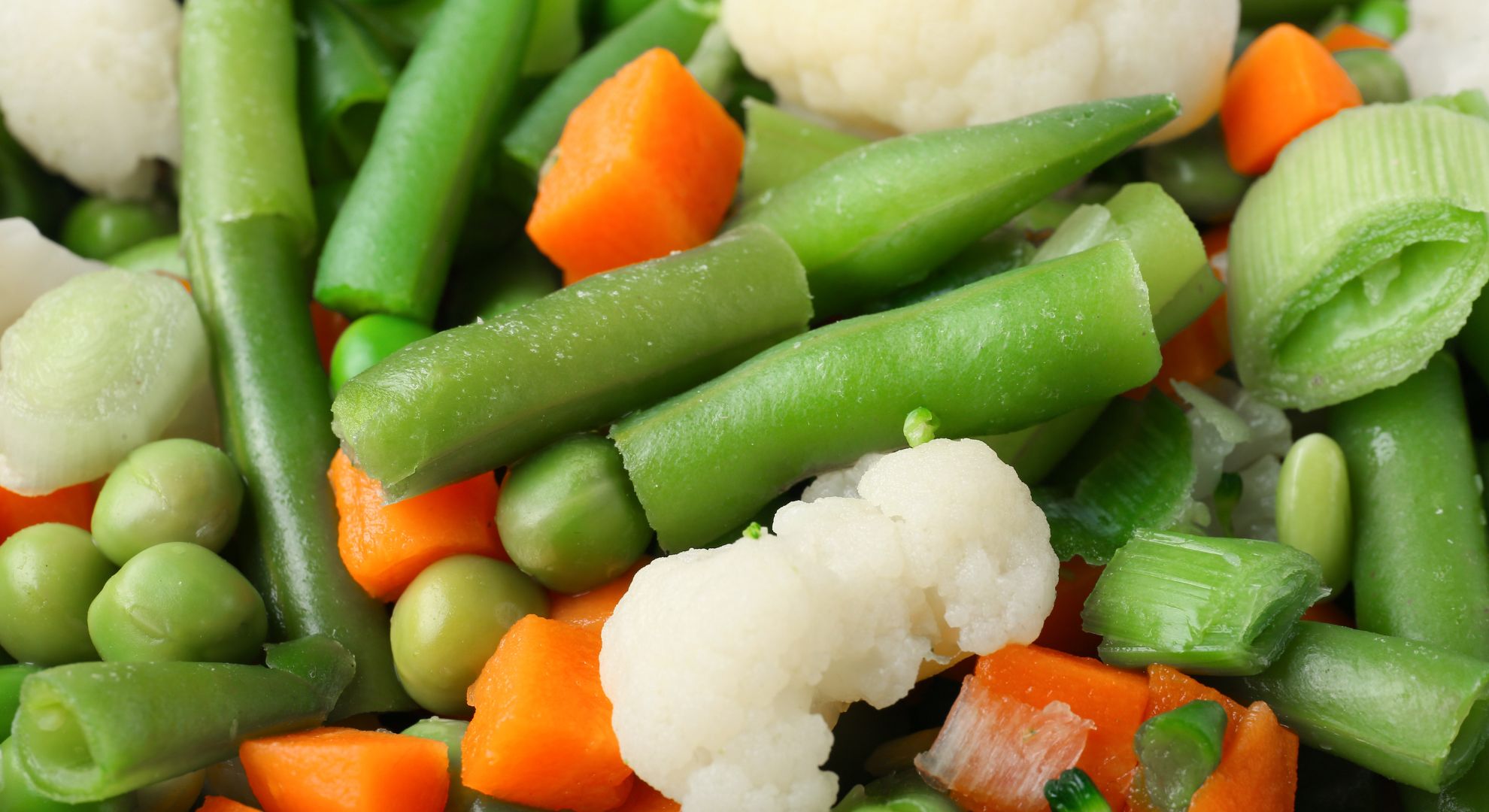
You don’t have to abandon the microwave to dial down the salt. Think dilution and balance. Stir a bag of frozen vegetables into the entrée after heating; you’ll stretch volume, add fiber, and reduce sodium per bite. Pair half a high-sodium tray with a side of unsalted grains or a basic salad with olive oil and lemon.
If your meal has a heavy sauce, use less of it—heat the entrée, then leave some sauce in the tray rather than scraping every drop. Bring a small container of unsalted nuts, fresh fruit, or plain yogurt to round things out so you’re not relying on salt for satisfaction.
“The most powerful trick is consistency,” the cardiologist notes. “If you can swap even three lunches a week for lower-sodium options, your blood pressure can start to respond.”
Smart picks at the freezer aisle
Look for bowls built around simple ingredients: plain grains, lots of vegetables, grilled meats or tofu, lighter sauces, and minimal cheese. International-style bowls can be sneaky—soy-based sauces are salt dense—but you can still find options under 600 mg with solid protein.
When in doubt, assemble your own five-minute combo:
- Microwavable brown rice + low-sodium beans + pico de gallo
- Baked potato (microwaved) + Greek yogurt + canned tuna (no-salt-added) + fresh herbs
- Low-sodium tomato soup + a handful of spinach + leftover chicken
- Frozen veggie medley + hard-boiled eggs + olive oil and pepper
These swaps keep the speed and the budget, but ditch the bloat and the blood-pressure spike.
What to remember before you press Start
The microwave isn’t the villain; the stealth sodium is. One convenient tray can rival a whole bag of chips in salt—especially when “one serving” turns out to be two. If you can keep most lunches under 600 mg sodium, add real produce, and balance with protein and fiber, you’ll keep that afternoon slump and long-term risk in check.
As the cardiologist put it: “You don’t need a perfect diet to protect your heart—you need a pattern that quietly favors less sodium, more plants, and steady protein. Do that most days, and the numbers tend to follow.”