
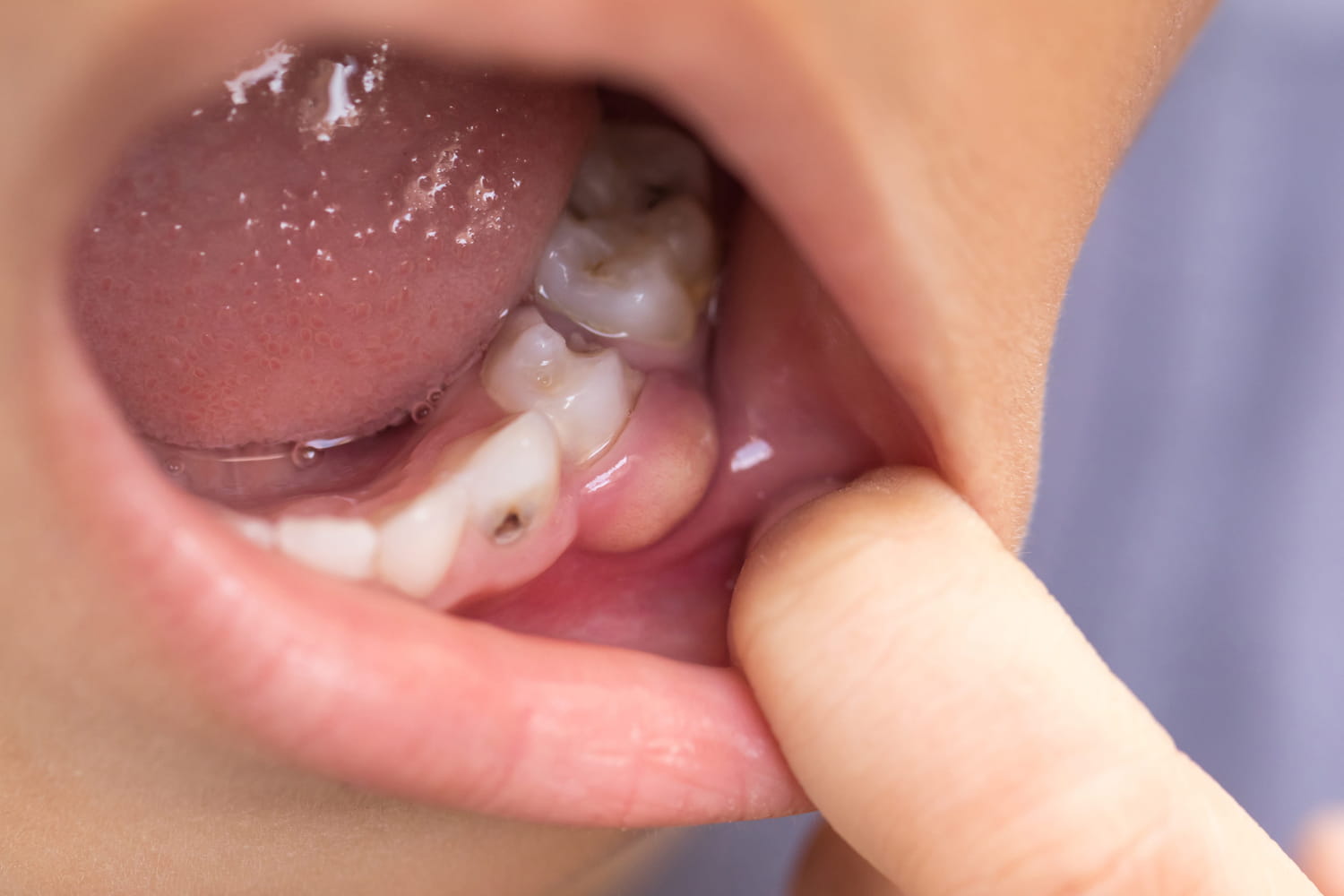
Parents know that sweets and sodas are tough on kids’ teeth, but some everyday snacks can be just as damaging. Two items are drawing particular scrutiny from dental experts: lollipops and raisins. Their risks aren’t only about sugar; it’s also about how they interact with enamel and how long they linger in the mouth. Understanding these pitfalls can help families make smarter choices without turning snack time into a battle.
Why lollipops can quietly erode young teeth
Lollipops don’t just contain sugar; they keep it in prolonged contact with the teeth. That slow, continuous exposure bathes enamel in a sugary solution, giving bacteria time to create acids that weaken the surface. The longer the contact, the more opportunity for demineralization and early cavities. It’s the extended sucking, not just the sweetness, that does the most harm.
Finnish dental hygienist Anni Savolainen has seen the consequences in countless children. She warns that parents sometimes downplay the importance of baby teeth, assuming they’re only temporary. Yet baby teeth guide adult teeth into place and protect oral development, so early damage can have lasting effects. “Children often learn dental hygiene by watching their parents,” she emphasizes, pointing to daily habits as the strongest form of prevention.
Raisins: a sticky, sugary trap for enamel
Raisins have a wholesome image, but their dental profile is far less friendly. They pack a lot of sugar into a small bite, and they are remarkably sticky. That means the sugary residue adheres to grooves and between teeth, staying put long after snack time. The result is a prolonged acid attack that’s hard to brush or rinse away.
Norwegian dentist Dr. Petter Gjessing Johnsen underscores the risk: many people assume dried fruit is automatically a better choice, but raisins can be a “sugar-dense and sticky” threat to young smiles. He notes that glucose is cariogenic, meaning oral bacteria convert it into acids that erode enamel. With more than 60 g of sugar per 100 g, raisins deliver the kind of exposure that can tip vulnerable mouths toward early decay. It’s the combination of high sugar and stickiness that makes them uniquely troublesome.
“Personally, I would never give lollipops or raisins to children,” Savolainen has said, highlighting how certain snacks magnify risk through frequency and texture. Dr. Johnsen agrees on the mechanism, while reminding families that awareness and hygiene remain the core defenses.
Habits that protect small teeth
Good daily routines can offset occasional treats without turning food into a forbidden topic. The most important factor is not total avoidance, but consistent care and smart timing. Think about how often sugar hits the mouth and how long it stays there.
- Offer water with or after snacks to help wash away sticky residue.
- Keep sweets to mealtimes, when saliva is already flowing and acids are better buffered.
- Choose less-sticky options (fresh fruit over dried, chocolate over gooey caramels).
- Brush twice daily with fluoride toothpaste and supervise young children to ensure good technique.
- Limit constant grazing and sugary sipping, which extend acid exposure throughout the day.
- Consider age-appropriate xylitol gum (for children who can chew safely) to stimulate saliva and reduce acids.
- Schedule regular dental checkups to catch early signs of plaque and enamel wear.
As Dr. Johnsen puts it, “The secret lies in good hygiene.” He admits he doesn’t ban foods outright, but he keeps a tight focus on daily care and realistic patterns. That approach helps families balance enjoyment and health without unnecessary stress.
Keeping perspective without losing protection
No parent needs a perfect, sugar-free household to protect their kids’ teeth. What matters most is controlling frequency, shortening contact time, and maintaining reliable hygiene. A lollipop every now and then is far less damaging if followed by water and a timely brush. Raisins used as an occasional ingredient at meals are safer than as an all-day snack that sticks to molars.
Modeling is a powerful tool: when parents brush consistently and choose balanced snacks, children absorb those habits. Build a predictable routine, reinforce it with calm consistency, and keep tools like a small toothbrush and water within easy reach. If sweets are part of a family tradition, pair them with protective strategies rather than turning them into a daily default.
Ultimately, the biggest risks come from slow-sucked candies and sticky, sugar-heavy bites that cling to enamel. By understanding why lollipops and raisins are uniquely problematic, families can reshape snack choices and routines. With smart timing, better textures, and diligent care, kids can enjoy food—and keep their smiles strong.