Fraud can prey on us in many ways, especially now that technology allows criminals to use it to steal from people. This problem is not limited to our city; it occurs even in the farthest corners of the country.
That is why the National Highway Traffic Safety Administration (NHTSA) of the United States Department of Transportation warns drivers about scammers who claim to be representatives of this agency and ask for payments for alleged traffic violations.
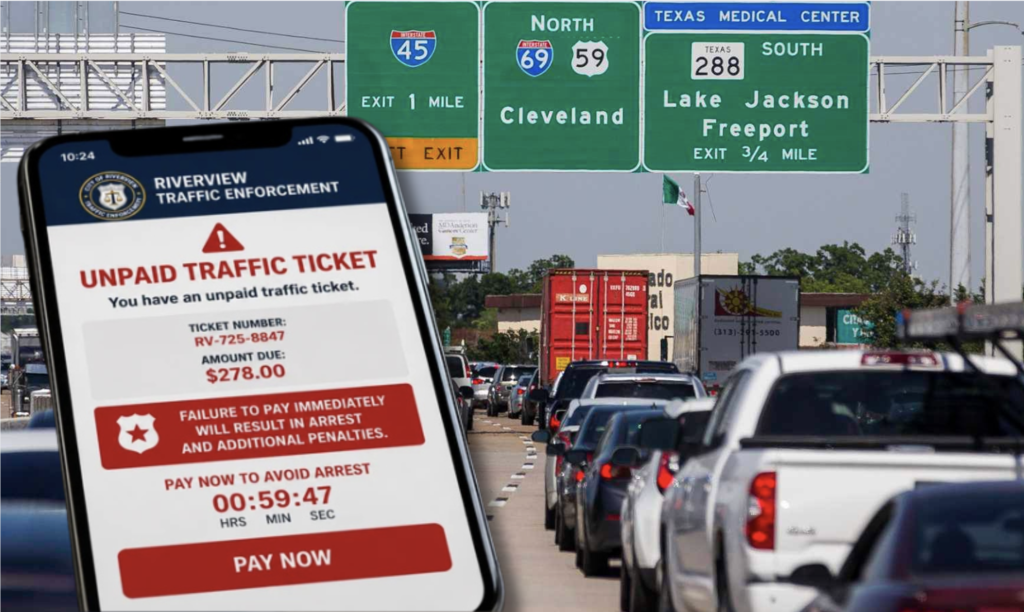
It is common for these messages to mention fake judges, case numbers, and serious consequences to give a more official-looking appearance with the aim of intimidating the recipient into clicking a link and making payments.
However, the NHTSA has stated in a release that it does not issue traffic fines and will never send text messages or emails, nor call members of the public about traffic violations.
Traffic violations are issued by local and state governments and their respective police agencies.
As the federal vehicle safety regulator, NHTSA does not levy fines on drivers. Government impersonation scams often create a sense of fear and intimidation to pressure you to act quickly.
These are some warnings to identify scams:
- They request payments through specific, nontraditional methods: government agencies will not require you to send payments via gift cards or prepaid cards, cryptocurrency, electronic money transfers, or digital payment apps.
- They use threats: Scammers may threaten to arrest you, immediately suspend your driver’s license, impose high fines, or refer the case to a debt collector.
- They request personal information: NHTSA does not make calls or send texts asking for your Social Security number, bank account details, or credit card numbers.
How to Protect Yourself
- Hang up the call or delete the message: If you receive a suspicious call or text, do not engage. Hang up immediately or delete the message. Do not click any links, whether in a text message or an email.
- Verify the source: If you are concerned about any issue with your vehicle, look up official information yourself. Visit NHTSA.gov/Recalls to verify if your vehicle has been affected by any safety recall, using the vehicle identification number (VIN) or the vehicle’s license plate number, or call the NHTSA Vehicle Safety Hotline at 888-327-4236 and ask to speak with a Spanish-speaking agent.
- Report the fraud: If you have been contacted by someone who impersonated NHTSA, report it to your local police department, your state’s consumer protection office, and the Federal Trade Commission (FTC) at ReportFraud.ftc.gov.