
By Levi Ruiz Ortiz
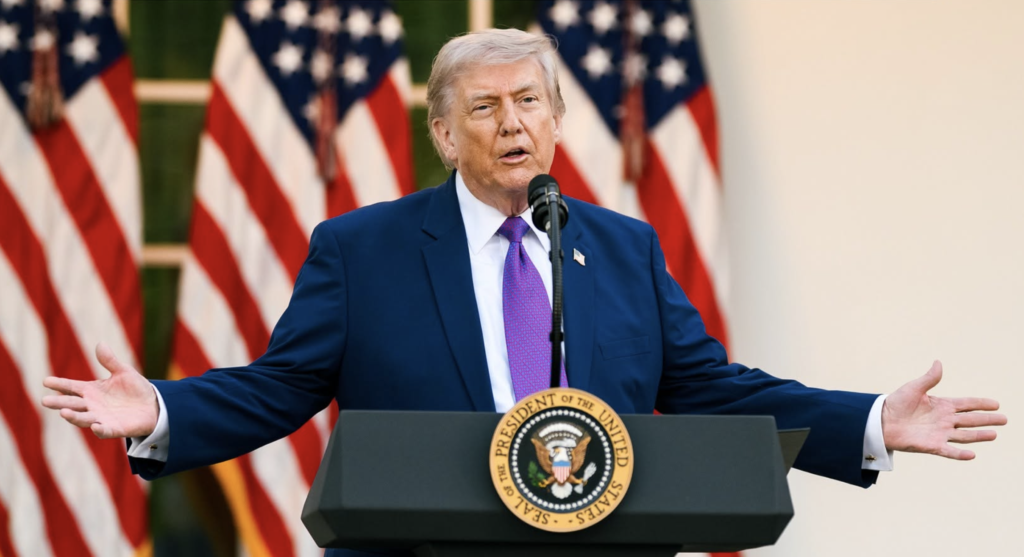
The United States Secretary of State, Marco Rubio, officially confirmed before Congress that President Donald Trump will participate in NATO’s heads of state and government summit, on July 7 and 8 in Ankara, Turkey.
According to official reports from Reuters and The Associated Press (AP), the president’s attendance had generated weeks of international doubts due to tensions with European partners.
These tensions stem from the limited participation of several allied countries in recent operations in the Middle East —particularly related to the Iran conflict— as well as the restrictions imposed on the use of airspace and military bases by United States forces.
During a hearing before the House Foreign Affairs Committee in Washington, Secretary Rubio dispelled the uncertainty decisively:
“The United States remains committed to the NATO alliance and we will be present in Turkey. The president Trump will personally attend the heads of state meeting, where these issues will be discussed.”
The U.S. government has indicated that the summit will be the arena to press members to increase their defense spending and reduce the excessive reliance on American funds for collective security.
Among the agenda’s top priorities is the protection of the international shipping routes for energy supplies. The stability of these channels is vital for global oil markets and, by direct consequence, for fuel prices at the local level.
Texas houses the nation’s most important refining and petrochemical activity; however, since hostilities with Iran broke out, gasoline prices have risen significantly, striking families’ budgets daily. What is decided at the talks in Ankara will undoubtedly impact the price of that fuel.