
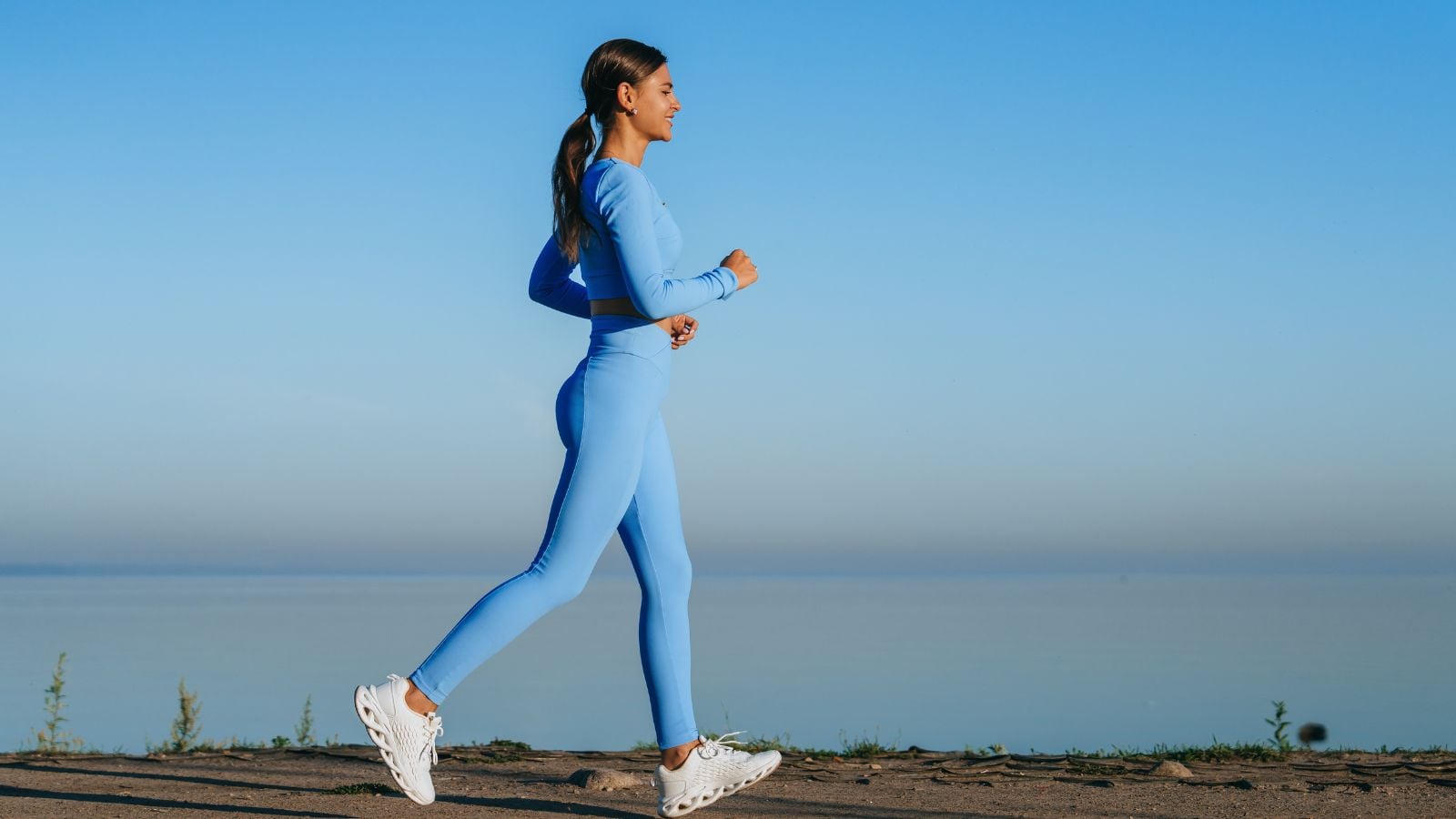
Walking is often underestimated as a tool for quick weight loss, yet a new UK study in the British Journal of Sports Medicine shows that pace truly matters. While any amount of movement is beneficial, the study found that the speed you maintain can significantly influence fat-burning and overall metabolic health. That means it’s not just how far you go, but how briskly you move that shapes your results.
Crucially, this doesn’t mean slow walks are worthless—they’re still good for mood, mobility, and daily activity. But if your goal is to shed pounds and improve long-term health, ramping up your speed can deliver a stronger calorie burn and a more potent training stimulus.
Why speed changes the outcome
Intensity drives a greater energy demand, elevating heart rate, oxygen use, and post-exercise calorie burn. The study links walking speed to metabolic risk, noting that a brisk pace of about 4 km/h (2.5 mph) is associated with a 24% lower risk of type 2 diabetes compared with a slower pace. Pushing into a “striding” pace, above 6 km/h (3.7 mph), may cut that risk by nearly 40%, highlighting the power of intensity for measurable health gains.
These effects reflect improvements in insulin sensitivity, muscular recruitment, and walking economy. As pace increases, your body taps more energy per minute, which supports better weight management over time.
The practical sweet spot for fat loss
For most adults, a brisk-but-sustainable pace falls between 4 and 6 km/h, where you can talk in short phrases but not sing a full song. A useful cue is cadence: about 100–130 steps per minute tends to correspond to moderate-to-vigorous intensity. If you can escalate to a striding pace above 6 km/h, you’ll amplify calorie burn and cardiovascular benefits even more.
Think of “ideal speed” not as one fixed number, but as the fastest pace you can hold with good form for the target duration. Over weeks, that pace should gradually rise as your fitness improves.
Time, calories, and weekly targets
Fat loss comes from consistent energy deficits, and brisk walking helps by boosting daily expenditure. Aim for 150–300 minutes of moderate-intensity effort per week, or 75–150 minutes of more vigorous sessions. Many people do well with 30–45 minutes of brisk walking on most days, adding short speed bursts to accelerate progress.
Intervals are a simple way to raise intensity without extending your total time. Try 1–2 minutes fast, followed by 1–2 minutes easy, repeated 6–10 times within a 30–40 minute walk.
How to walk faster, safely
- Keep your posture tall and your core engaged, avoiding a forward slump.
- Shorten your stride slightly and increase your cadence for smoother, quicker steps.
- Pump your arms at a 90-degree angle to drive rhythm and forward momentum.
- Use slight hills or gentle inclines to raise intensity without pounding your joints.
- Progress gradually: add 5–10% more time or speed each week to stay injury-free.
Health wins beyond the scale
Beyond weight control, regular brisk walking confers broad benefits. Evidence links short, vigorous 20–25 minute activity bouts with longer lifespan, supporting the role of intensity in healthy aging. Even modest daily movement—like five flights of stairs (about 50 steps) climbed several times—has been tied to a 20% lower risk of cardiovascular disease.
Daily walking can also steady appetite, reduce sugar cravings, and improve immune function. Crucially, it’s accessible, joint-friendly, and easy to weave into busy routines.
“Speed is the simple lever you can pull to transform an everyday walk into a fat-burning, health-building workout.”
A simple plan you can stick with
Start with three brisk walks of 30–35 minutes in week one, hitting a pace where conversation is possible but slightly strained. Add a fourth day the next week, or introduce 6–8 short intervals at a noticeably faster tempo. Maintain two easier recovery walks so your legs can adapt and your motivation stays high.
Track your pace using time per kilometer or steps per minute, and aim to nudge either metric up every week or two. Small, steady improvements compound into significant changes in how you look, feel, and perform.
Make speed a habit, not a phase
Consistency beats perfection, but consistency with smart intensity beats both. Treat brisk walking as a daily anchor—post-meal strolls, commute segments on foot, stair choices over elevators—and layer speed where you can sustain it. Over time, the combination of regular practice and intentional pace will drive meaningful weight loss and durable health gains.
Most importantly, choose a rhythm you can repeat tomorrow and next week. When speed becomes a habit, results stop being a mystery and start becoming your new normal.
