
A plea for pragmatic regulation
The European market for small electric cars is faltering, and industry leaders are sounding the alarm. At the center stands Stellantis, whose chairman John Elkann urges the European Union to temper rules so manufacturers can deliver truly affordable EVs. He argues that today’s framework adds weight, cost, and complexity to cars that should be light, frugal, and urban-focused.
A shrinking small‑car market
Once the beating heart of Europe’s car culture, the small‑car segment has been eroding fast. Entry‑level models priced below €15,000 have nearly vanished, squeezed by safety, connectivity, and emissions mandates designed for larger SUVs. The result is an economic equation that makes compact EVs hard to build profitably—and harder still to price attractively.
Elkann’s diagnosis is blunt: Europe applies the same rulebook to microcars as to flagship SUVs, leaving little room for frugal engineering. That pushes up component counts, requires heavier structures, and inflates development budgets—all the worst outcomes for a car meant to be simple and accessible.
Lessons from Japan’s kei playbook
Japan’s kei class offers a template: strict size caps, modest power, and a regulatory lane designed for efficiency. These microcars thrive because the rules match their purpose, aided by tax breaks that keep prices low. Elkann wants an “E‑Car” category for Europe, enabling right‑sized standards for right‑sized vehicles.
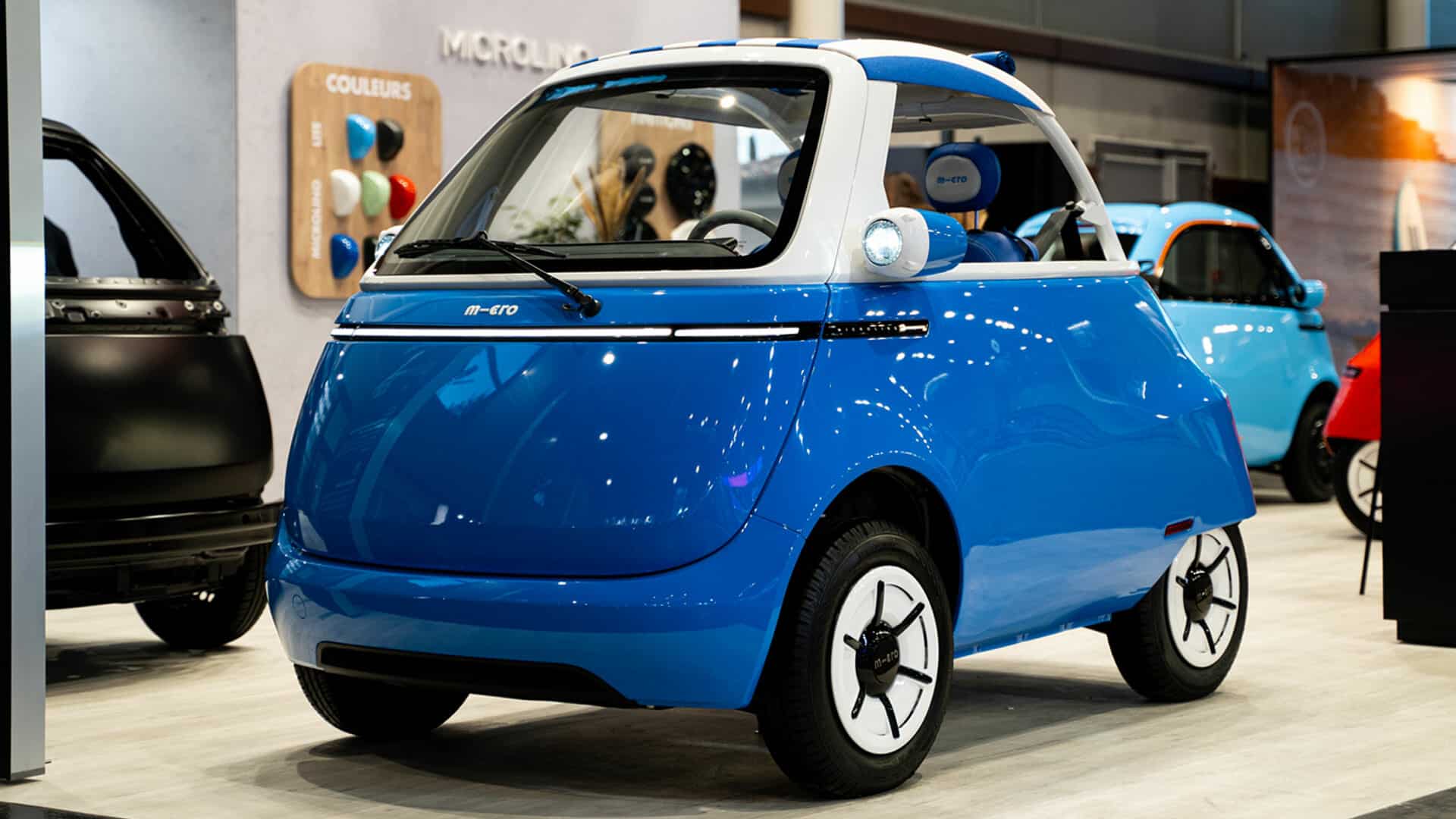
Stellantis has micro‑EV pedigree with the Citroën Ami and Fiat Topolino, but those are legally quadricycles with limited speed and scope. They’re fun and popular, yet barred from highways, leaving a gap for a more capable, still affordable EV that families can actually use daily.

An industry chorus grows louder
Elkann is not alone. Former Renault chief Luca de Meo joined him in urging differentiated rules for compact EVs, warning that current standards were built for heavyweight SUVs, not cost‑sensitive city cars. Without a rethink, factories risk closure, jobs face pressure, and the European supply base weakens.
Other voices echo the concern. Smart’s European leadership has hesitated on a ForTwo successor, citing profitability walls for segment A and B vehicles. The message is consistent: it’s not a lack of demand or imagination, but a regulatory mismatch throttling viability.
A research‑backed pathway
French research center Gerpisa supports an EU micro‑EV lane inspired by the kei approach. Director Tommaso Pardi argues such a category would reignite innovation at the entry level and provide a European counterweight to low‑cost imports. Importantly, it could redirect engineering toward user value rather than box‑ticking compliance.
There’s also a climate dividend. Replacing old combustion compacts with light, short‑range EVs often delivers more real‑world benefit than fielding a 2.5‑tonne electric SUV. Smaller cars use fewer materials, smaller batteries, and less energy per kilometer—the essence of efficient electrification.
What a lighter rulebook could enable
- Clear size, mass, and power ceilings tailored to urban use.
- Streamlined active‑safety and connectivity requirements that preserve essentials.
- Battery caps paired with right‑sized charging speeds to curb costs.
- Fiscal incentives and urban access benefits to accelerate adoption.
- Harmonized EU type‑approval that reduces complexity and engineering churn.
Such measures could free up capital for better ride quality, smarter packaging, and genuine safety per kilogram—rather than escalating complexity that small‑car buyers won’t value. The goal is not to lower safety, but to optimize it for lighter, slower, city‑centric vehicles.
The affordability imperative
Europe’s cost‑of‑living squeeze makes entry‑level mobility a social issue as much as an industrial one. Southern markets rely heavily on small, cheap cars; without them, ownership could become a wealth privilege. And if Europe can’t meet that need, imports will—shifting value creation away from local plants and local suppliers.
“Affordable electrification starts with right‑sized cars and right‑sized rules.” That simple principle captures the stakes: design the framework for the product you want, or the market will evolve around you—often to your disadvantage.

A competitive edge within reach
Europe still has deep know‑how in compact packaging, frugal manufacturing, and safety‑per‑kilogram engineering. An E‑Car category would channel those strengths into products that are profitable, popular, and better for crowded cities. With a tailored lane, Stellantis and peers could scale micro‑EVs that are truly European in identity and purpose.
The next two years will be decisive. If regulators deliver a thoughtful reset, manufacturers can unlock a wave of small EVs that feel modern, protect jobs, and help meet climate goals. If not, the continent risks ceding price‑sensitive segments—and the future of urban mobility—to others.