
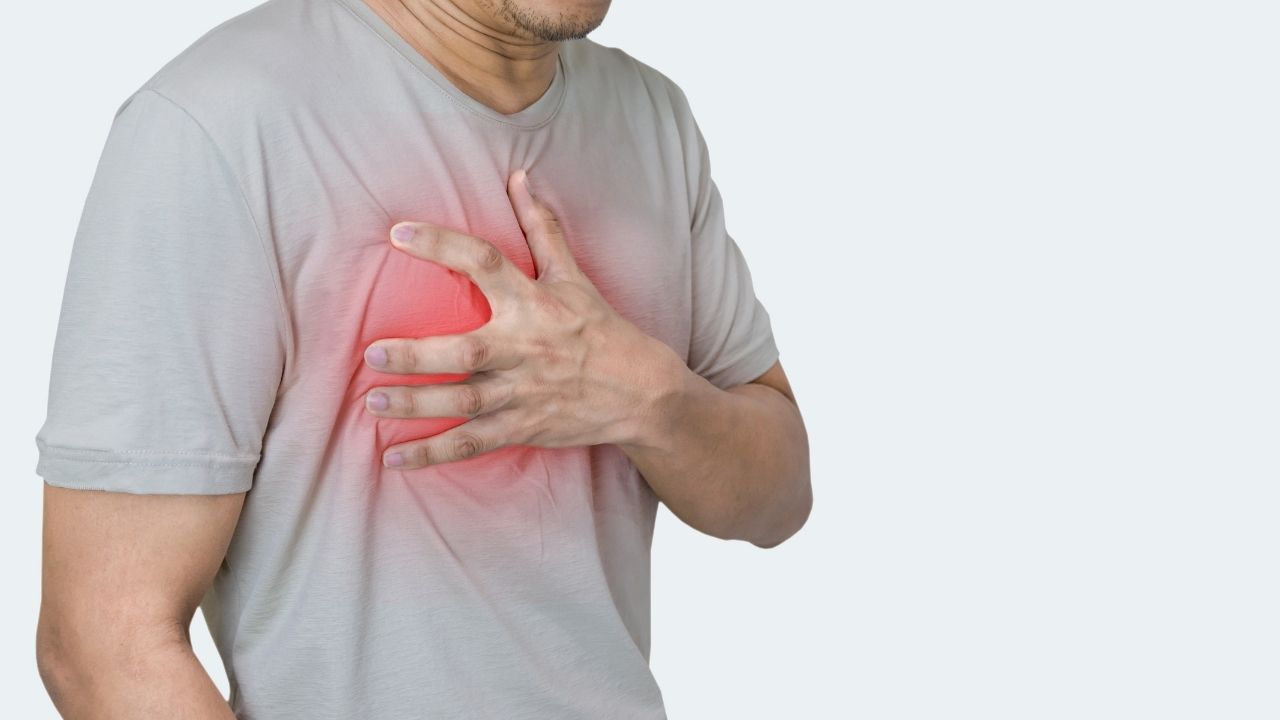
The habits we have in our daily life also have an impact on our health. If we take care of ourselves, eat properly, and exercise, we will see the impact, but if we do not, then the consequences can be dangerous, especially for heart health.
And a stroke can change a life in an instant, which is why we must be prepared and try to prevent reaching this situation, but if that is not the case, we must know what to do in case of an emergency.
According to the American Stroke Association (American Stroke Association), a division of the American Heart Association (American Heart Association), acting quickly in the minutes after symptoms appear can help protect the brain, reduce long-term disability, and save a life.
On average, nearly 2 million neurons die every minute that a stroke goes untreated, so early detection and treatment are fundamental.
During the month of May, Stroke Month in the United States, the American Stroke Association highlights the importance of recognizing the warning signs of a stroke and understanding how early treatment and prevention can make a significant difference when it matters most.
A stroke is the fourth leading cause of death, according to the 2026 Update of Heart Disease and Stroke Statistics from the American Heart Association, and it is also one of the leading causes of serious and long-term disability in the United States. Each year, around 800,000 people in the U.S. have a stroke. Strokes can happen to anyone at any age.
When a stroke occurs, blood flow to the brain is interrupted. The longer the treatment is delayed, the greater the risk of permanent damage. Calling 911 is the quickest way to receive medical attention in case of a stroke. Emergency medical services (EMS) can begin treatment immediately and alert the hospital’s stroke team before you arrive.
According to the American Heart Association and the American Stroke Association, approximately 80% of strokes can be prevented. High blood pressure is the main risk factor for strokes, and uncontrolled blood pressure, diabetes, and obesity significantly increase the risk.
Recovery after a stroke is different for each person, so support can play an important role during the process. The American Stroke Association offers resources designed to help survivors and their caregivers stay informed, connected, and supported, which includes live virtual meetings about stroke where participants can share experiences, ask questions, and learn from experts. Visit DerrameCerebral.org.
So, with these resources, let us take the opportunity to inform ourselves, take care of ourselves, and care for everyone around us. These diseases can change our lives in an instant, so let us prevent, through care and information, from staying healthy.
