
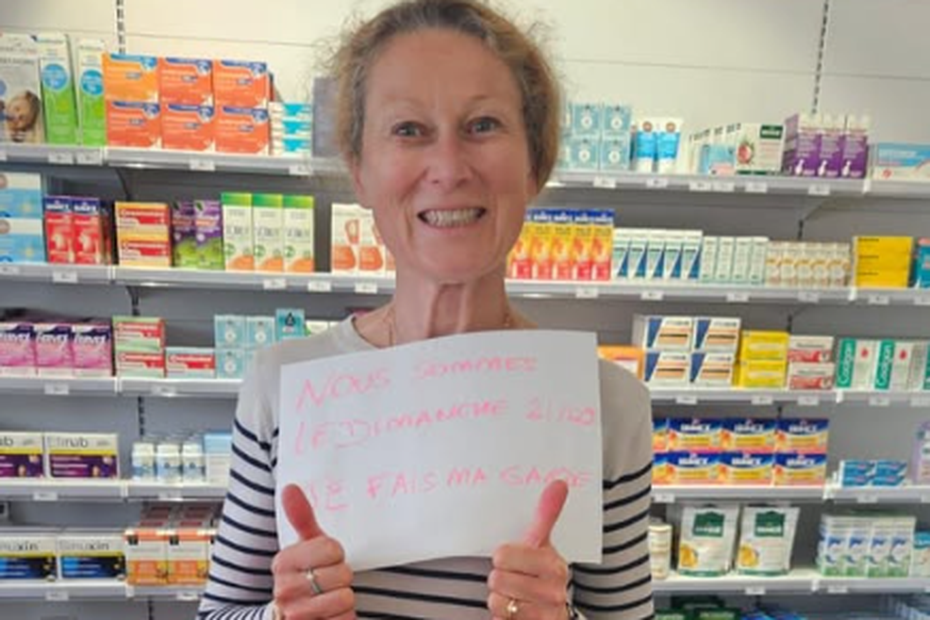
In her 35-year career, the pharmacist from Melrand says she had never joined a strike. Yet this weekend she stood behind her counter, not by choice, but because she was requisitioned. After receiving a formal order, she turned to social media to voice what she calls a profound injustice.
Her post resonated widely, not just with fellow professionals, but with patients worried about access to care. The episode has become a symbol of a profession squeezed between shrinking margins and expanding public duties.
A profession on strike, a blanket order
According to the Melrand pharmacist, regional authorities once targeted only a few on‑call pharmacies for requisition. Today, she says, an email lands in every inbox, turning a selective measure into a blanket mandate.
Before, gendarmes would knock, a guard would be assigned, and continuity of care was preserved while the strike remained visible. Now, an administrative email can dissolve the protest without changing the underlying problems.
She says a phone call followed her silence to the initial message, warning of possible prison time and steep fines if she refused the guard shift. “We are pharmacists, not vandals. We’re here for patients,” she said, insisting that duty-of-care is a shared value—but so is the right to protest.
Where it happened
The standoff unfolded in Melrand, in the Morbihan department of Brittany, during a weekend shift that stretched into Monday morning. She posted a photo from her dispensary, sign in hand, to show she was on duty, even while decrying the method.
Squeezed by generic drug cuts
At the heart of the anger is a reduction in rebates on generic medicines that took effect on 1 September. A 10% cut may sound modest, she argues, but when list prices are already slashed, the “double blade” bites far deeper.
In her shop, the annual hit equals roughly one technician’s salary. With a three‑person team, that means facing a painful choice: reduce hours, trim services, or start a layoff process that could leave her working alone for days at a time.
Industry dynamics add another strain. If margins keep shrinking, she warns, some suppliers may deprioritize the market, worsening shortages of essential treatments. Pharmacists become daily “treasure hunters,” chasing missing molecules across fragmented stocks.
Patients pay the price
The pharmacist links these pressures to a broader trend: hundreds of pharmacies close each year, and the recent strike drew near‑universal participation. In rural areas, losing even one counter can add 30 minutes to the nearest dispensary.
For elderly patients, that extra distance is more than an inconvenience—it can be a health risk. Fewer staff means longer queues, less counseling time, and reduced screening or prevention services many pharmacies now provide.
As she put it in one succinct line: “When 90% of a profession shuts its doors, it means something.” For her, that “something” is a mix of exhaustion and a plea for respect.
What pharmacists say they need
- Restore sustainable generic rebates to stabilize pharmacy finances
- Limit requisitions to targeted, transparent needs, not blanket emails
- Strengthen supply‑chain coordination to reduce medicine shortages
- Support staffing and local services that protect patient access
- Open structured talks with measurable timelines and outcomes
A message that spread online
Her Facebook posts drew dozens of supportive responses, from colleagues and patients alike. Some praised her candor; others described their own struggles with staffing, shortages, and late‑night duties. The viral reaction underscored how many feel the same squeeze.
One excerpt captured the mood: “We are here for the patients. Requisition everyone by email, and you erase the strike, not the problem.” The sentence is both a rebuke and a reminder that duty and dialogue must go hand in hand.
Beyond one weekend
The weekend’s guard shift ended, but the underlying dispute did not. She says she will keep serving patients, while pressing for a fairer framework that respects both public health and the economics that keep doors open.
During the pandemic, pharmacists took on new roles—testing, vaccination, triage—often at personal risk. Today, the same workforce is asking for recognition that sustainability is not a luxury, but a public‑health necessity.
