
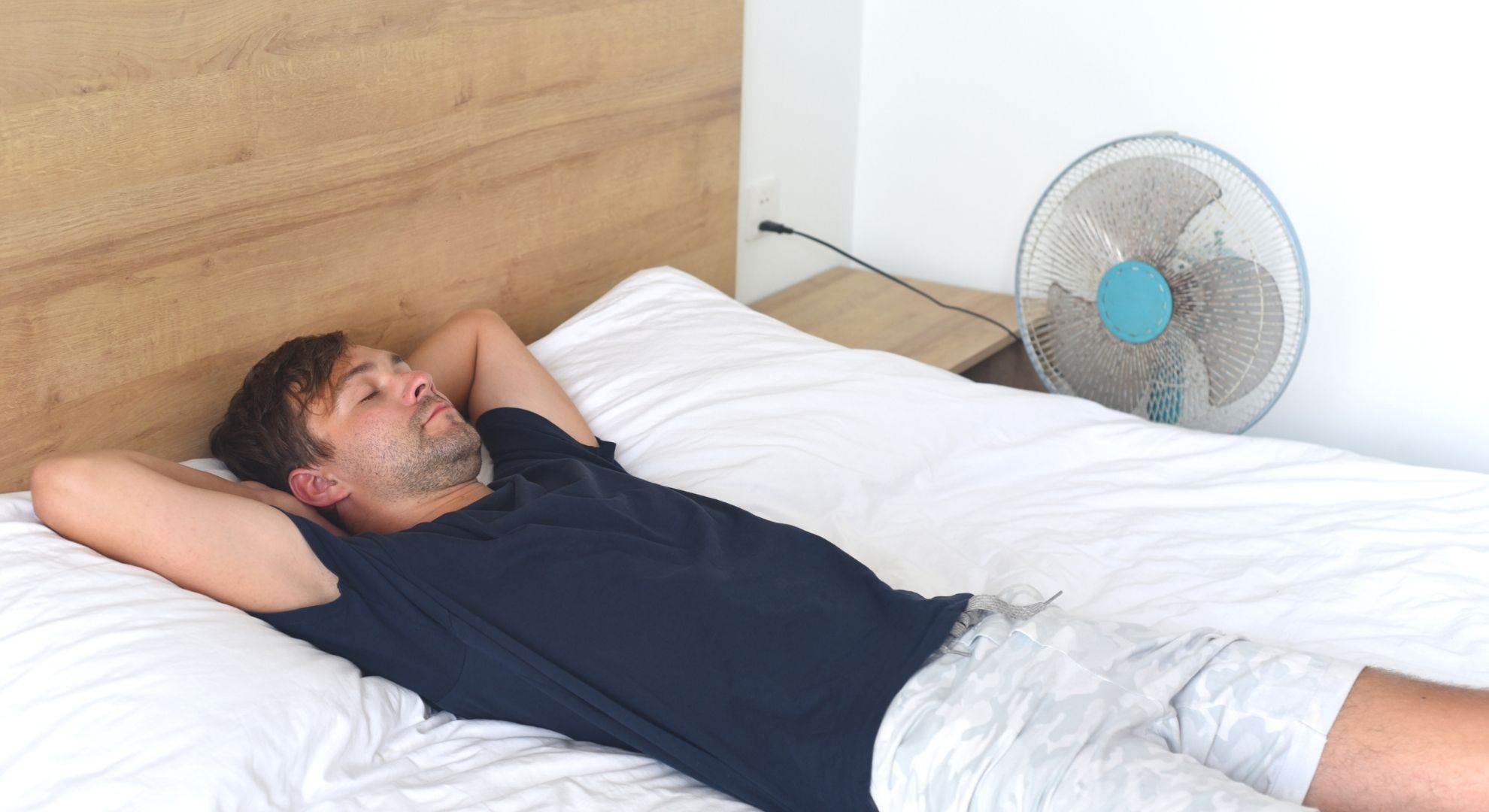
The claim sounds dramatic, and the internet loves drama. But when we look closely at the evidence, the picture is more nuanced than a scary headline suggests. Your nightly fan is mostly about comfort, not catastrophe.
Still, there are sensible, science-backed reasons why some people feel stuffy, sneezy, or dry when the blades keep spinning until dawn. Those effects are usually reversible, manageable, and tied to air quality, humidity, and how air hits your airways.
As one seasoned respiratory clinician likes to say, “air movement isn’t a toxin.” Another practical reminder: “the dose makes the irritant.” In other words, context and setup matter more than the fan itself.
What the latest research really shows
Headlines love the words “confirmed” and “irreversible,” but the best available evidence doesn’t support permanent, structural damage from everyday fan use. There is no high‑quality study proving that a bedroom fan reliably causes enduring injury to the lungs.
What studies and clinical observations do suggest is more modest: moving air can increase exposure to dust, pollen, and indoor irritants; it can also dry out mucous membranes and cool sensitive bronchial tissue. Those factors can aggravate symptoms in people who are already susceptible.
So if you wake with a scratchy throat, a tickly cough, or a blocked nose, it’s likely from dryness or particulate load rather than an irreversible change in your respiratory system. Think “trigger,” not “trauma.”
Why a fan can make breathing feel worse
Fast, directed airflow changes what’s in the air you breathe and how your body handles moisture. Add household dust or seasonal pollen, and the effect can be noticeable.
- Increased aerosolization of dust and allergens, which keeps tiny particles suspended and headed for your nose and lungs.
- Mucosal drying, as constant airflow evaporates protective moisture from your nasal passages and throat.
- Cool-air sensitivity, where chilled air can provoke reflex bronchospasm in asthma‑prone airways.
- Noisy, turbulent flow that disturbs sleep architecture, making you feel more tired and breathless by morning.
- Stagnant-room problem: a fan that only recirculates polluted indoor air, rather than improving ventilation or filtration.
Who should be cautious
If you have asthma, allergic rhinitis, chronic sinusitis, or COPD, you’re more likely to notice airflow‑related symptoms. Kids with eczema and dust‑mite sensitivity may also react to stirred‑up allergens.
People with dry-eye disease or a history of recurrent nosebleeds can find constant airflow particularly irritating. Those recovering from respiratory infections may prefer gentler air movement while mucosa heal.
None of this means you must banish your fan. It just means your setup should be smarter and more targeted.
Smarter ways to use your fan
If moving air helps you sleep, keep the benefit and reduce the drawbacks. A few small adjustments can change the whole equation.
Point the airflow away from your face so it circulates the room rather than blasting your airways. Elevate or angle the fan to skim the ceiling and create a gentler, indirect breeze.
Clean blades and grilles regularly; dust buildup turns a fan into a particle launcher. A quick wipe every week is a high‑yield, low‑effort habit.
Pair your fan with a HEPA air purifier to reduce overall particulate load. Less dust in the room means less irritation at the source.
Mind humidity: 40–50% relative humidity keeps mucosa happy. Too dry worsens irritation; too damp invites mold. A small humidifier with a humidity gauge can keep things balanced.
Use oscillation, lower speeds, or a timer to limit constant, face‑directed flow. Gentle movement often cools just as well as a full‑blast jet.
Crack a window if outdoor air is clean, or ensure some form of fresh‑air exchange. Recirculating stale air only recycles the same irritants.
Red flags that deserve attention
Nightly wheeze, chest tightness, or a cough that lingers beyond a few weeks aren’t “just from the fan.” They’re signals to check in with a healthcare professional.
If symptoms ease when you clean, filter, and reposition airflow, your environment was the key culprit. If they don’t, you may need personalized testing and treatment.
Remember, “sleep comfort is a health intervention,” and better sleep can improve daytime breathing, mood, and immunity.
The takeaway
There’s no robust evidence that ordinary fan use causes permanent respiratory damage. The real risks are dryness, irritants, and cold‑air triggers—issues you can usually control.
If you love your fan, keep it—but optimize the setup, clean the hardware, manage humidity, and support air quality. “Move air, not irritants” is the simple rule that keeps your nights cool and your breathing calm.