
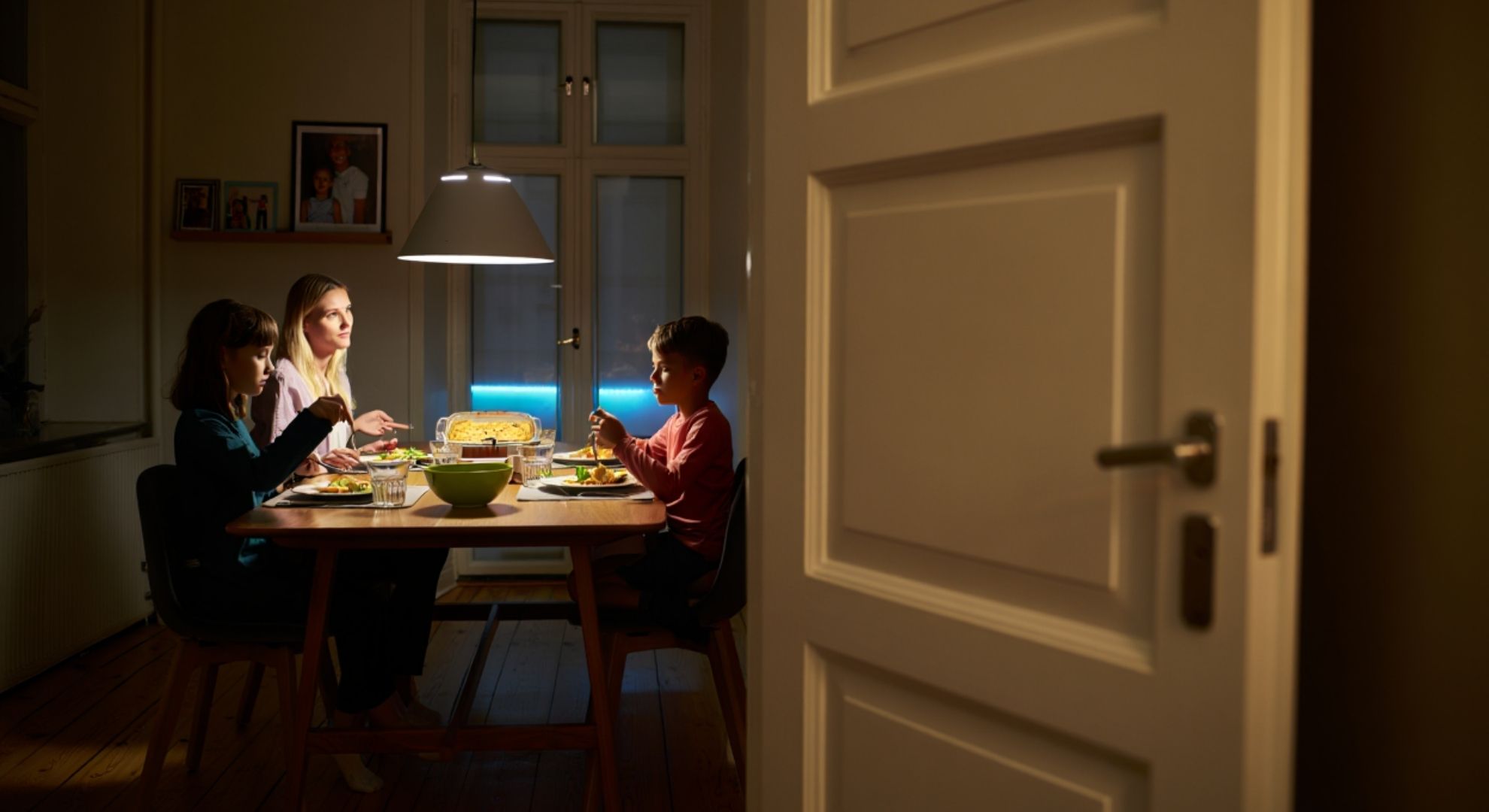
Teenagers often change how they relate to food, family, and space. Seeing a young person eat alone in their room can feel worrying, yet it can also be a normal sign of development. The key is to read the broader context—habits, mood, and communication—not a single behavior in isolation.
“Adolescence is the rehearsal for adulthood,” as one developmental psychologist likes to say. Solitude can be a way to practice autonomy, manage sensory input, or regulate stress after a demanding day. Still, patterns matter, and so does the why behind the where.
Individuation and the pull toward autonomy
In adolescence, the drive for independence intensifies. Wanting to control time, place, and portions is a textbook expression of agency. Eating in one’s room can feel like reclaiming privacy and choosing one’s own pace.
For many teens, the bedroom becomes a basecamp for identity work. It’s where music, clothes, and chat threads shape a sense of self. A private meal can be a pause from the social performances of the day.
“Privacy isn’t secrecy,” say many clinicians; “it’s a training ground for self-regulation.” The same act—closing a door—can mean rest for one teen and avoidance for another.
Family climate and mealtime meaning
Family meals carry emotional weight. If dinner tends to spark conflict, sarcasm, or interrogation, retreat can be a form of self-protection. Even subtle criticism about food, grades, or friends may push a teen to eat elsewhere.
Some teens are sensitive to noise, smells, or crowded tables. Neurodivergent youth may seek controlled environments to manage sensory overload. Others simply need decompression before connecting.
Ask what the table represents: belonging or pressure, warmth or watchfulness. The meaning of the meal often shapes the behavior more than the food itself.
The digital cafeteria
Today’s “table” is often a screen. Teens may snack while on Discord, FaceTime, or group chats—a form of co-present eating that adults don’t always see. They might be “alone” physically but socially quite engaged.
Digital spaces can offer low-stakes belonging and flexible rhythms. They also blur hunger cues and extend eating windows late into the night. Neither purely harmful nor purely helpful, they reshape where and how youth connect.
As one teen put it, “I’m with my people, just not at the table.” The medium changes the ritual, not necessarily the relationship.
Signals to watch: patterns that matter
Rather than focusing on the room, zoom out to patterns. Look for shifts in functioning, mood, and flexibility:
- Consistent nourishment, stable energy, and intact daily routines suggest autonomy, not alarm.
- Flexibility to join meals for birthdays or holidays points to choice, not compulsion.
- Marked weight changes, food avoidance, or rigid rules can signal disordered patterns.
- Increasing secrecy, withdrawal from friends, or persistent low mood may reflect broader distress.
- Night-only eating with heavy screen use and daytime fatigue could indicate sleep disruption.
- Conflict-driven avoidance of the table may reveal family tension worth addressing together.
How to respond with care and curiosity
Lead with warm curiosity, not control. “I’ve noticed you like to eat in your room—how does that work for you?” opens more doors than “Come to the table now.”
Co-create small agreements. For example: one shared meal per week, or a brief “check-in snack” together after school. Rituals can be light but reliable.
Offer meaningful choice. Invite the teen to pick the menu, the music, or a picnic on the floor. Shared eating doesn’t require a formal table to build connection.
Name the function, not the fault. “Seems like dinner is loud after your long day—would 20 minutes alone first help?” Function-focused language reduces defensiveness.
Model respect for privacy. Knock, ask, and accept no when appropriate. Paradoxically, respect increases the odds of voluntary joining.
If you need a boundary—no food in rooms for pests or safety—pair it with an alternative: trays on the couch, porch dinners, or a later, quiet meal option.
When to seek extra support
Consider consulting a pediatrician or mental health professional if eating alone accompanies rapid weight change, fainting, dizziness, or digestive issues; if there’s intense fear of certain foods or rigid rules around calories; if you hear talk of hopelessness, self-harm, or extreme isolation; or if conflict around meals is chronic and escalating.
Support isn’t a verdict—it’s a resource. Early, compassionate attention can protect both health and family relationships.
In many cases, a teen who prefers a bedroom snack is signaling normal needs for autonomy, recovery, and choice. The art is to keep nourishment, connection, and respect in the frame—so a closed door doesn’t close the relationship.