
Your body is always talking, but some messages are whisper-quiet. Sometimes the softest signal shows up on your hands, tucked into the small canvas of your nails. When they chip, peel, or split, it’s easy to blame a manicure or a new soap. Yet those fragile edges can be a clue, pointing toward everyday habits—or deeper imbalances—that deserve a second look.
What your nails are trying to say
Your nails are slabs of keratin, growing slowly from a living matrix just under the cuticle. When that machinery lacks fuel or faces constant irritation, the plate grows out thin, dry, and easy to break. As one expert puts it, “Your nails are like a health ledger—each millimeter records conditions at the time it formed.”
Brittleness usually means the plate lost moisture or structural integrity. Think of it like a dried leaf, crumbling under minor stress. That fragility can reflect your environment, your grooming routine, or internal nutrition and hormone status.
Everyday culprits you can fix
Frequent wetting and drying is brutal on keratin, because water first swells and then dehydrates the plate. Detergents strip natural lipids, leaving nails porous and rigid. “Water is both friend and foe to nails,” say many clinicians, “so protection is a daily investment.”
Harsh removers, especially acetone, pull out plasticizers and essential oils. Over-buffing thins the plate, while gel removal can create micro-tears. Cold, dry weather drains humidity, and aging reduces nail oil content, amplifying the tendency to split.
Nutrition signals worth noticing
Nails grow on protein, and they need steady calories plus iron, zinc, and several vitamins to build strong layers. Low iron can leave nails thin or even spooned, especially if paired with fatigue or pallor. If energy intake dips, the body prioritizes essentials elsewhere, and nails arrive weaker.
Omega-3 fats help maintain nail flexibility, while vitamin C supports collagen around the matrix. True biotin deficiency is rare, and for most people a varied diet beats piecemeal pills. If you notice brittle nails with hair shedding or unexplained tiredness, it’s worth a lab discussion with your clinician.
When a fragile nail means more
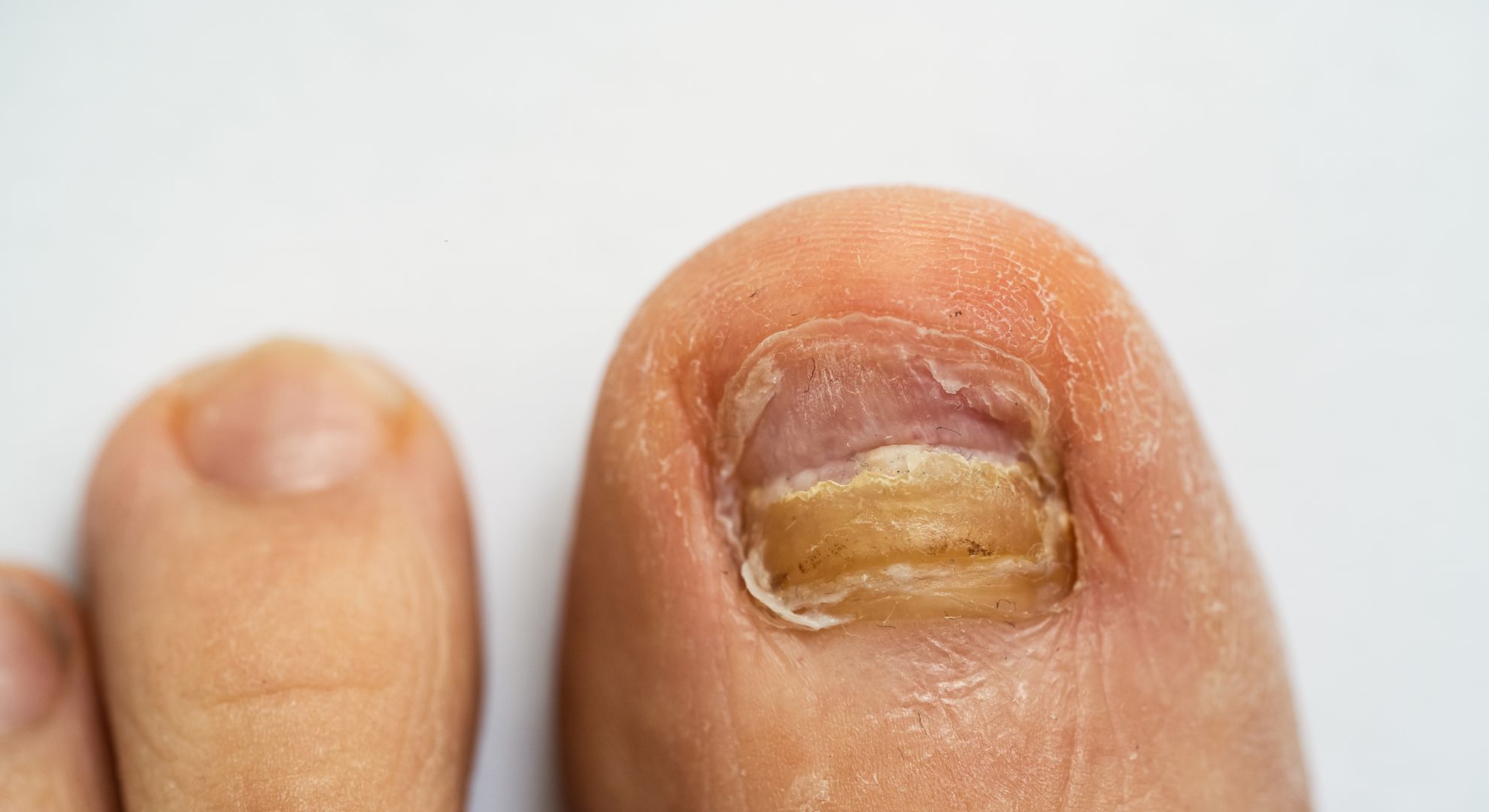
Look for patterns that pair nail changes with body symptoms. Spooning with fatigue hints at iron issues, and persistent splitting with dry skin or feeling cold may suggest thyroid slowdown. Pitting or oil-drop discoloration can track with psoriasis, while yellow, thick, slow-growing nails may point toward fungal infection.
Pain, swelling, or pus at the nail fold needs timely care. Rapid-onset discoloration, new dark streaks, or a nail lifting off the bed warrants prompt evaluation. When in doubt, early assessment prevents small signals from becoming larger problems.
Habits that strengthen from today
- Wear nitrile or rubber gloves for dishes, cleaning, and garden work; water plus detergent is a brittle-nail engine.
- Moisturize after every handwash with a ceramide or urea-rich cream, then seal cuticles with a thin oil.
- Keep nails short, file in one direction, and skip aggressive buffing that thins the plate.
- Choose acetone-free remover, limit gel or acrylic cycles, and avoid peeling polish off by hand.
- Build meals around lean protein, leafy greens, beans, nuts, and colorful produce for iron, zinc, and antioxidant support.
- Give nails “naked” days each week so the plate can rehydrate and recover.
Supplements: proceed with care
Biotin has a strong reputation, but the evidence for routine supplementation in otherwise healthy people is mixed. For many, improved diet, hydration, and protection beat a capsule. If you and your clinician do try biotin, remember it can interfere with certain lab tests, including thyroid and cardiac markers.
Iron should never be taken “just in case”—too much can cause real harm. If your history or symptoms suggest deficiency, request a ferritin and complete blood count before choosing a dose.
Your at-home mini check
Press on the nail plate: does it feel overly rigid or paper-thin and peely? Scan for fine horizontal splits, vertical ridges that snag, or a dull, chalky sheen. Ask yourself, “Have my hands been in more water lately, or have I switched cleansers or nail products?”
If small tweaks lead to sturdier nails within one to two growth cycles, you’ve likely solved the puzzle. If not—especially with accompanying symptoms—bring the story to your healthcare provider. As one seasoned clinician says, “Don’t ignore quiet information from small places; your body prefers early conversations.”
