
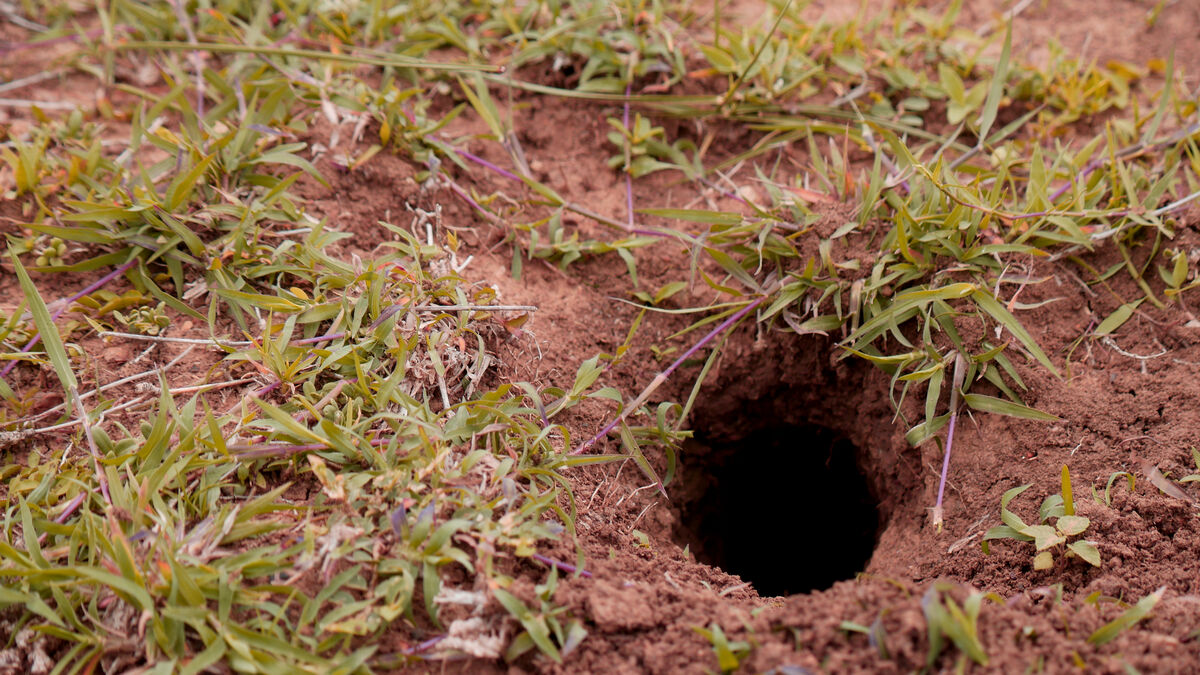
Noticing a fresh hole in your garden can be unsettling. While many animals dig, most wild snakes don’t—they borrow existing tunnels. With a calm approach, you can read the signs and choose a safe response.
Many holes, one crucial clue
Plenty of creatures make small cavities in the soil, from moles to beetles. The key detail is that snakes use ready-made burrows, often left by rodents under logs or dense brush. Look for openings near cool shade, loose mulch, stacked wood, or old stonework that offers quick cover. These sheltered spots provide steady temperatures and an easy escape route.
How to tell if a snake is using the hole
Snake use leaves subtle but distinct clues around the entrance. A hole roughly coin-sized or a bit larger, tucked under vegetation, is worth a second look. Shed scales or papery skin fragments are strong evidence of recent activity. You might see faint, sinuous tracks in dust or soft earth, especially after light rain or morning dew. Dark, cylindrical droppings with a chalky white tip (urate) sometimes appear near cover. Dawn and dusk are prime times to observe from a safe distance, using gloves and steady footing if you must move light debris.
“Stay curious, not fearful: identify the signs, give space, and let nature do its work.”
Why snakes choose your garden
Snakes frequent gardens for reliable food and safe hiding spots. Rodents, small frogs, and insects attract them to quiet corners with rocks, leaf litter, and tangled borders. In many areas of France, most garden snakes are nonvenomous and generally harmless. They help regulate rodents naturally and stabilize the local ecosystem.
If your plot feels slightly wild, with piles of branches or neglected corners, it’s more welcoming to discreet visitors. That does not mean your space is unsafe—it means your habitat is healthy and well balanced.
Practical steps that work
The goal is gentle deterrence, not confrontation or harm. Tidy, well-managed edges make your yard less appealing as a hideaway while keeping biodiversity intact.
- Trim dense vegetation along fences and stacked materials.
- Move woodpiles off the ground and away from busy paths.
- Reduce rodent attractants by securing pet food and compost.
- Patch gaps under sheds and in low stone walls with fine mesh or gravel.
- Keep a clear zone around foundations to limit cool, covered refuges.
- Use strong garden gloves and closed-toe shoes when clearing debris.
- Light, plant-based scents like peppermint or clove may help, but habitat management is far more effective.
If you suspect an active den, give it breathing room for a few days and reassess signs. Often the animal will move on once cover changes or food sources decline.
Safety, coexistence, and boundaries
Most encounters are brief, and the safest choice is simple avoidance. Never attempt to capture, corner, or strike a snake, as stress increases the risk of defensive behavior. Teach children and pets to give wildlife space, and supervise outdoor play in brushy areas. If you must work nearby, stomp lightly to create vibration, which encourages wildlife to slip away.
When to call a professional
If identification is uncertain or the location is high traffic—near a doorway, dog run, or kids’ play area—seek local wildlife advice. Regional nature groups, licensed rehomers, or municipal pest services can assess the site and plan ethical, legal solutions. In regions with protected species, professionals ensure compliance with local regulations and best practice.
A small hole seldom signals a major threat, but mindful habitat care makes your garden safer for you and the wildlife that shares it. With observation, light maintenance, and timely help when needed, you’ll keep calm, stay safe, and support a thriving ecosystem.
