
From panic to tap: key duplication goes mobile
Losing a car key no longer spells disaster when a replacement can be ordered from a smartphone. What once required a shop visit now happens through a clean, guided mobile experience that takes minutes, not a half day. The result is a fast, trackable, and affordable duplicate that arrives safely at your doorstep. For drivers juggling work, family, and travel, that’s a meaningful shift in everyday convenience.
A straightforward, AI‑assisted flow
With the Clé Minit app, the process is designed to feel effortless. You open the app, follow on‑screen prompts, and snap clear photos of your key from a few specified angles. Patented AI analyzes the profile, cuts, and referenced model to match the right blank and specifications. The app then generates an instant quote and checkout, removing guesswork and phone tag. Instead of queuing or calling around, you confirm the order and get a clear ETA without leaving your sofa.
What you can duplicate
Beyond vehicle keys, the service spans a wide range of everyday access.
- Standard door keys for homes or simple locks
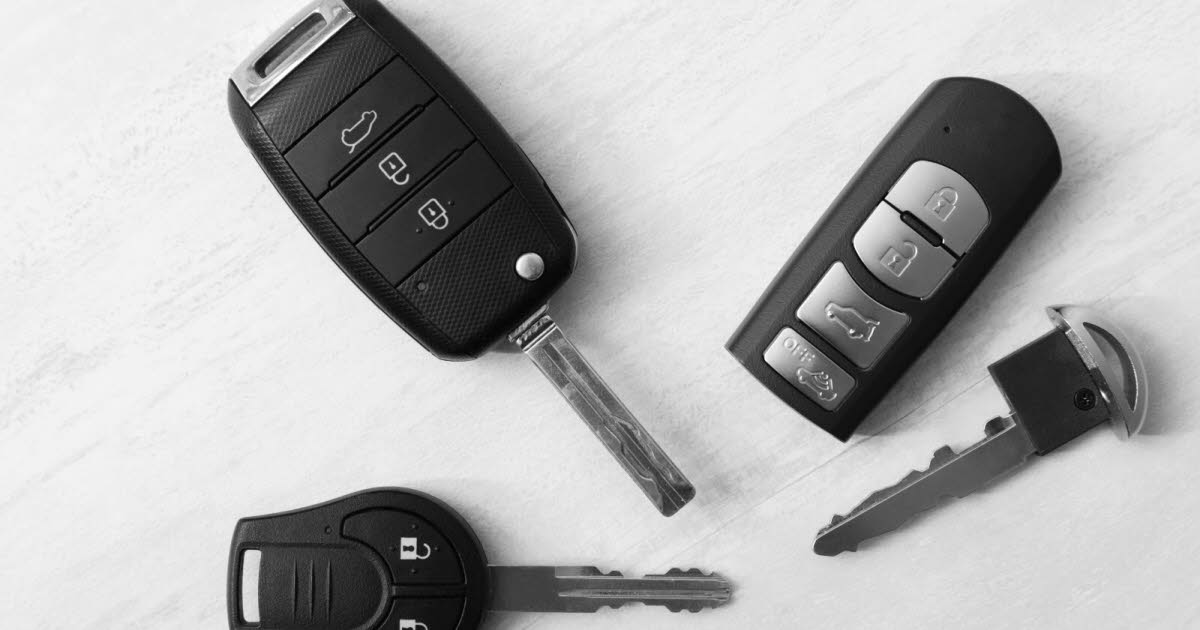
- Vehicle keys and certain remote‑equipped fobs
- Building access badges for gates or shared entrances
- Parking remotes for garages and private lots
Each category is explained in the app, helping you choose the exact model you need before you pay.
Pricing that beats a locksmith dash
Costs stay transparent, starting around €6 for a basic key and rising to around €30 for more complex profiles. Access badges typically range between €18 and €30, well below many on‑site services. You avoid emergency call‑out fees and the shock of a full lock replacement. For most orders, delivery lands within three business days, packaged discreetly to protect your privacy. That turnaround reduces downtime and the limbo of waiting on dealer‑only appointments.
Privacy, packaging, and peace of mind
Security sits at the center of the mobile flow, from upload to delivery. Orders arrive in an anonymous envelope so no one can infer what’s inside. According to the company, no personal data is retained beyond what is needed to complete the order. By minimizing retained identifiers, the app reduces the risk of exposure if a system were ever compromised. The result is a low‑friction path that still prioritizes safety and user control.
“As a rule, we do not retain personal identifying data, and every package ships in anonymous packaging.”
Why this matters for drivers now
A spare key can head off a costly lock change or a tow‑truck bill at the worst possible moment. Remote ordering means you can solve a key problem while traveling, after hours, or from a rural address. Households with multiple drivers can add spares without chasing dealer calendars or rearranging schedules. Fleet managers gain a streamlined path to standardized duplicates that cut downtime and admin overhead. In short, what felt like a niche errand becomes a predictable, smartphone‑native utility.
Practical tips to get it right
Good photos mean good results, so wipe the key and shoot in bright, even light. Follow the angle guides in the app to avoid glare and missing edges that can confuse analysis. Confirm the vehicle year, make, and model so the system can match the correct blank and profile cut. If your key uses advanced immobilizer tech, check compatibility in the app before you order. Keep your proof of ownership handy in case additional verification is requested.
Limitations worth noting
Some high‑security designs and complex proximity systems may require in‑person programming. Legacy or rare blanks might take longer due to sourcing constraints. If your ignition or door cylinders are worn, a perfect new key might still feel sticky in old hardware. In those cases, a local locksmith’s mechanical tune‑up can restore smooth day‑to‑day use. Even then, the app can handle the cutting while a pro handles final calibration or fitment checks.
The road ahead for smart access
As vehicles adopt digital credentials, expect tighter links between apps, ECUs, and encrypted over‑the‑air pairing. Hybrid models will likely blend physical keys with phone‑based fallback access that travel with your account. For buildings and garages, standardized badges and cloud‑managed permissions will shrink admin time. The direction is clear: simpler, safer, and more modular control over everyday entry. For now, a photo, a quote, and a three‑day wait can put a working key back in your hand.
