
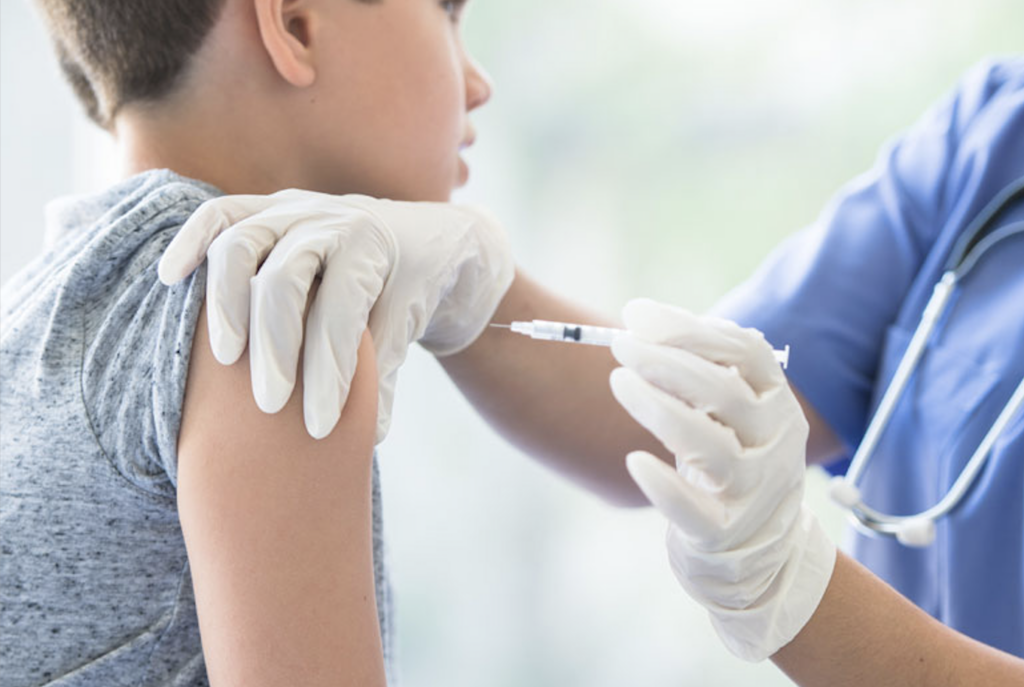
The new recommendations from the Centers for Disease Control and Prevention (CDC) have sparked opinions from those in favor of vaccination and others who prefer not to vaccinate their children when they are young. Several contagious diseases have been eradicated or controlled thanks to the vaccines that are offered, and we have all been vaccinated.
I think we all should remember when nurses gave us vaccines. In Mexico, for example, they went door to door when it was time for a vaccine against a certain disease. I clearly recall hearing about the polio vaccine, the measles vaccine, and so on.
Today it is very common to encounter parents who prefer not to give these immunizations to their children, despite medical recommendations that these contagious diseases can return and wreak havoc in the lives of those children and sometimes even cause death.
In Texas, for example, there has been a significant measles outbreak, centered mainly in the western part of the state, which has resulted in 762 confirmed cases, 99 hospitalizations, and two infant deaths.
However, the state declared the outbreak over as of August 2025. But experts insist that the best protection against measles is the measles, mumps, and rubella vaccine (MMR), with two doses recommended for children to prevent infection and serious complications. If you suspect that you have measles symptoms, such as fever, cough, nasal discharge, and a rash, you should seek medical attention immediately.
Among the new CDC recommendations is moving away from the Covid-19 vaccine, which will now be an optional choice for individuals to decide whether to obtain it or not. The Vaccine Advisory Panel voted in favor of abandoning the previous universal recommendation of annual Covid-19 vaccines.
Regarding childhood vaccines, we can see that the recommendations are that no child under four years old should receive the combined MMRV vaccine, which covers measles, mumps, rubella, and varicella. Known as the triple or quadrivalent vaccine.
Normally, this vaccine was administered starting at 12 months of age, but now children under this age will receive separate vaccines, one against measles, mumps, and rubella and another additional against varicella, as recommended by the panel.
Although experts say this is not new, many had been recommending doing it this way for some time.
Even though this has become a media topic, the important point here is to emphasize that these immunizations for minors are necessary, even if parents disagree with vaccinating them.
It is always advisable to consult with health professionals and assess the risks of vaccination or not. As adults, choosing which vaccines to receive is optional, but again it should be stressed that it is important to consider the risks we face if we contract the disease.
In this case, with Covid-19, we should know the possible ways this disease can affect us if we contract it and whether it is worth getting the vaccine. We should always inform ourselves with professionals, and I repeat it because I think it is important to stay up to date with our health.
Regardless of the recommendations given to us, we must evaluate what is best for our health. Amid the debate, we finally realize that this is also optional, just that with health there is sometimes no turning back.
What do you think?