
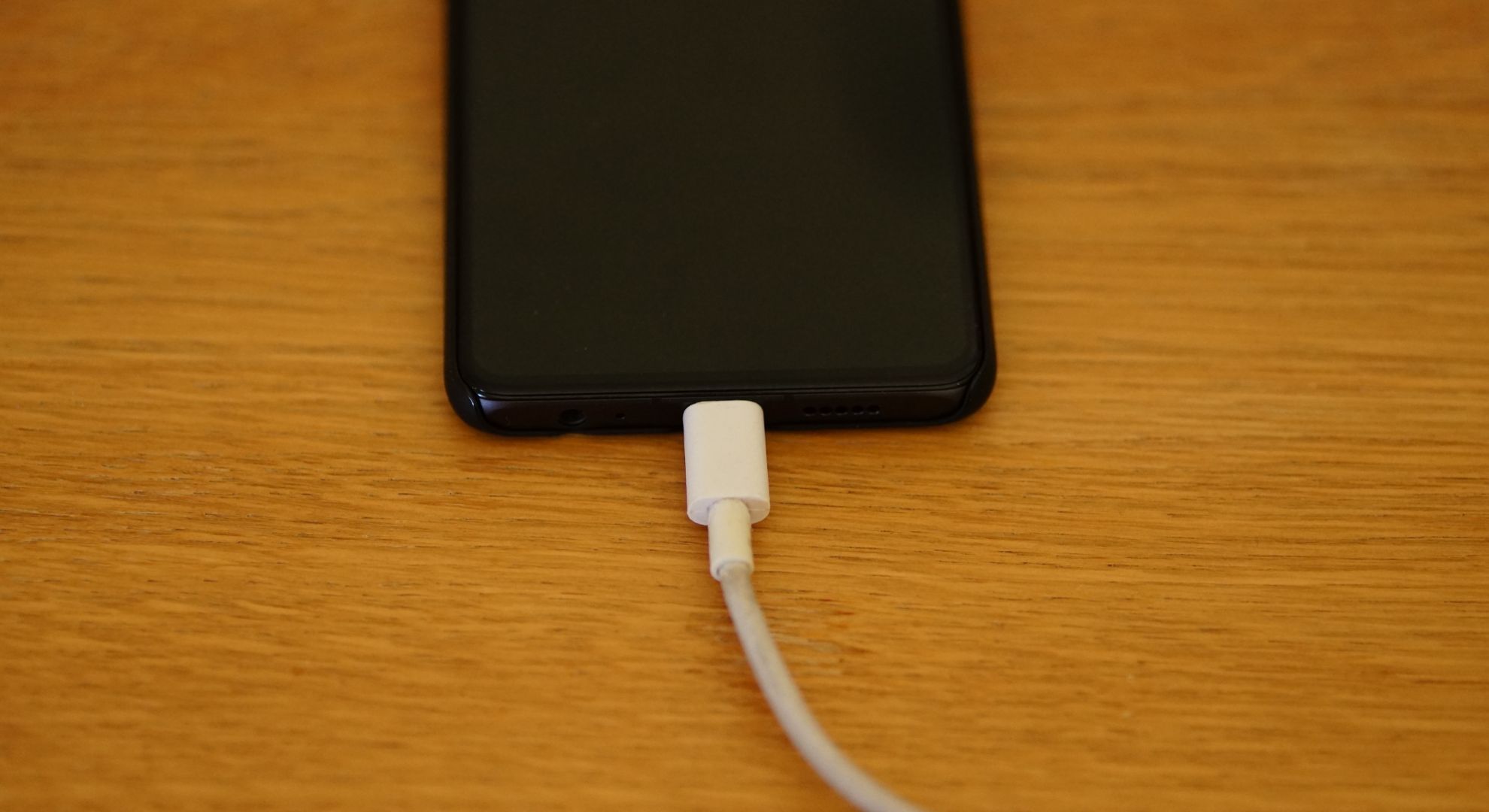
Most of us plug in our phone on the nightstand and forget it’s there, but the habit may be quietly undermining the chemistry of sleep. A growing body of Harvard-linked research suggests that late-night light from devices sabotages melatonin, the signal that tells every cell what time it is. When that signal wobbles, nightly repair runs late, and the processes that shape aging get nudged off course.
What this “sleep hormone” really does
Melatonin isn’t just about feeling sleepy; it’s the brain’s way of stamping “night” on your biology. The hormone helps coordinate temperature, metabolism, and cellular maintenance, timing the body’s nightly “clean-up” shift. Researchers also note melatonin’s antioxidant actions, which support DNA integrity and mitochondrial health—systems that are deeply entangled with aging. As one maxim puts it, “Light is information, and melatonin is how the body reads it as dark.”
Why a charging phone can throw it off
Even a dim screen or a tiny LED can act like a midnight “ping” to your clock. The blue-enriched spectrum common to modern screens is especially potent at suppressing melatonin, and even brief, intermittent flashes can reset the brain’s night settings. Add vibrations, notifications, and the easy lure of scrolling, and you’ve built a perfect recipe for delayed sleep and fragmented rest.
“Five more minutes” becomes 45, your eyes catch high-energy light, and melatonin’s rise gets flattened. The result is a later biological night, shorter deep sleep, and a morning that feels two shades heavier. The habit repeats, and the circadian system—which orchestrates everything from insulin to immune timing—slips out of tune.
What Harvard-linked science actually shows
Harvard-affiliated teams have shown that evening blue light delays melatonin, shifts circadian phase, and reduces REM and slow-wave sleep. Harvard Health Publishing has summarized this work for the public, underscoring that blue light at night is “biologically active” and disproportionately powerful at suppressing the hormone. In practical terms, the device by your pillow extends your day at the precise moment your body expects darkness.
It’s not that the charger emits dangerous radiation or that proximity alone “ages” you; the dominant mechanism is behavioral light exposure. A phone within arm’s reach increases the odds of late use, micro-awakenings, and those tiny luminous cues that keep melatonin low. Over time, chronic circadian misalignment has been linked to metabolic strain, poorer cognitive recovery, and accelerated biological wear—indirect pathways by which a skewed night can shape aging.
Small changes that protect big sleep
You don’t need a lab to fix a light problem—you need a darker, quieter night. Try this:
- Move the charger across the room, or outside the bedroom, so reaching it becomes a conscious choice and not a sleepy reflex. Use Do Not Disturb or airplane mode after a set hour. Kill lock-screen wake on notifications. Cover LEDs with red tape or choose bulbs under warm, low-lux settings. If you must check the time, use a dim, amber display and turn on a true red-shifted filter.
Each step removes a little light, reduces a little temptation, and gives melatonin the clear runway it needs to climb on time. “Darkness is a nutrient,” as sleep educators like to say, and your bedroom should be where you get your nightly dose.
Rethink light across the 24-hour day
Circadian health isn’t only about nights; it’s about the contrast between day and dark. Get bright, outdoor light within the first hour of waking, which anchors your clock and brings melatonin on time that evening. Keep afternoons bright and evenings progressively dimmer, swapping white glare for warm, low-level glow. Build a wind-down routine that is screen-light sparse—a printed page, a gentle stretch, a shower under soft illumination.
If your schedule is irregular, create stable “light anchors”: same morning light window, same pre-bed dark window, even on off days. Consistency teaches your biology what to expect, and melatonin thrives on reliable signals.
The bigger picture on aging
You can’t bottle youth, but you can guard the nightly rhythms that defend it. Melatonin doesn’t “freeze” the clock, yet it helps run the body’s repair shift that keeps the clock from rushing. A phone glowing inches from your face is a small, nightly tax on that process; moving it away is a zero-cost credit you can claim by tonight.
“Protect the dark, and the dark protects you.” Make your bedroom a true sanctuary, let melatonin rise cleanly, and give your body the quiet it needs to do its oldest, smartest work.

What phones keep the screen on when charging? None that I’ve ever seen. Dumb story.