
The closure of six Painted Tree Boutiques stores in the Houston area left hundreds of small businesses collecting merchandise, reviewing losses, and seeking how to keep selling outside of those spaces.
Painted Tree in Houston went from one day to the next on pause. The closure of six stores in the metro area left hundreds of local sellers trying to recover inventory, decide what to do with furniture and merchandise, and calculate the impact of sales they would no longer be able to collect.
According to available information and testimonials from affected merchants, several sellers received an email notice informing them that sales had halted and that operations had ended immediately. For many, the blow was not only logistical. It also meant losing, overnight, a central part of their income.
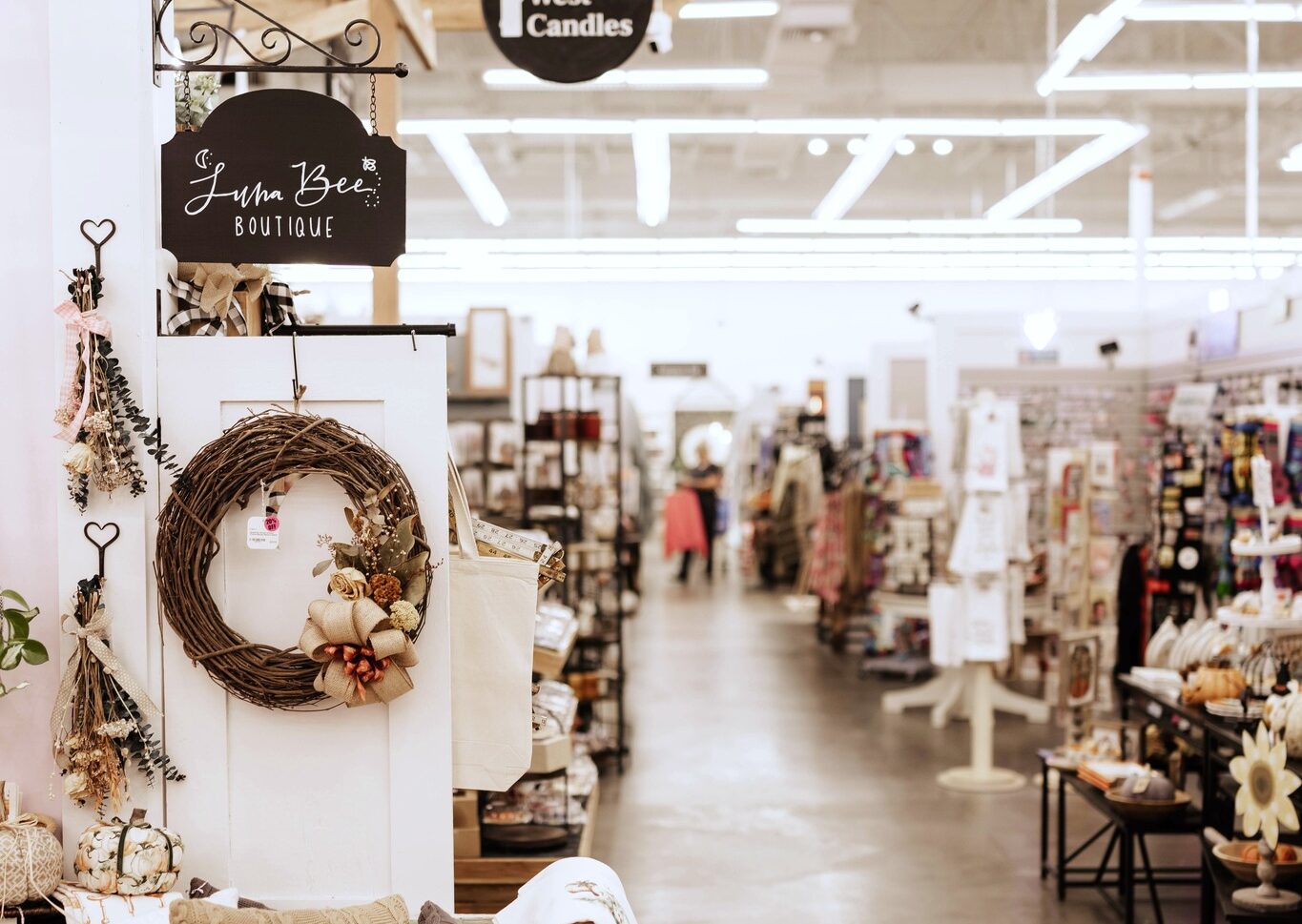
Painted Tree Boutiques operated as an indoor market where entrepreneurs rented spaces to sell handmade products and items from small businesses. In return, the company handled processing sales and took a percentage. That arrangement had allowed many merchants to maintain a presence in several stores without managing each location themselves.
Six Houston-area stores ceased operations
The closure was not limited to a single location. The chain announced closures in different parts of the country, including six stores in the Houston area. The decision left sellers spread across several locations, some with merchandise in more than one site and others with products also in stores outside Texas.
That dispersion turned the exit into an immediate problem. The merchants not only had to go for boxes, furniture and displays. They also had to decide what to move, what to store, and what was no longer viable to recover due to distance or cost.
According to the testimonies collected from sellers, some spent the day moving from store to store to haul merchandise. In several cases, the inventory was distributed across different locations, which increased spending on gas, time, and transport at the most delicate moment of the closure.
The Painted Tree model had sustained income for small businesses
For many sellers, Painted Tree was not a secondary channel. It was a significant source of sales. In at least one case reported, the affected merchant said that this income represented the majority of her monthly earnings.
That figure changes the scale of the impact. When a small business loses a point of sale, it is not always just about moving product to another display. In many cases, cash flow that pays for materials, rent, shipping, and restocking is also interrupted.
The indoor market structure had proven useful precisely because it gave access to customers without the cost of opening a store of their own. For entrepreneurs with a small operation, renting a booth within such a chain could function as showroom, warehouse, and point of sale at the same time.
The withdrawal of merchandise left losses difficult to absorb
Among the affected merchants another problem emerged: not all inventory can be recovered under viable conditions. Some sellers indicated that the distance and cost of shipping will force them to donate part of their products rather than retrieve them.
In one available testimony, a merchant estimated losses around $12,000. That figure includes merchandise that will no longer be easily moved and sales that would not be collected. Although the amount corresponds to a single case, it shows the economic scale that a sudden closure can have for small businesses.
On top of that are the costs of fixtures, i.e., the furniture, racks and display elements that were inside the stores as well. Recovering them implies more trips, more loading, and in some cases, additional payments for transportation or temporary storage.
Painted Tree vendors report outstanding payments and no final settlement
Another point that caused concern among merchants was the money from recent sales. According to collected testimonies, several sellers say they did not receive a final settlement option or a last sales period to close inventory in an orderly fashion.
In practice, that leaves two open fronts. On one hand, there is the physical merchandise that must leave each location. On the other, there are this month’s revenues which, according to affected sellers, would not be paid. That combination increases pressure on businesses that were already operating on tight margins.
The company stated in a nationally disseminated stance that the decision was not taken lightly and that it represents the closing of a chapter. However, it did not offer further explanation about the reasons for the abrupt closure.
Local groups and temporary sales emerge as immediate options
While the store vacating continues, some sellers are already looking for alternatives to avoid losing their customer base completely. Among the options mentioned by area merchants are pop-ups, temporary space rental, and organizing through digital communities of local shopping.
One of the groups pointed out by sellers is “Shop Small Kingwood,” where affected merchants began connecting to share information, seek spaces, and restart sales outside Painted Tree. The logic is simple: if the physical store disappeared, it’s time to move the buyer community to other formats.
That reorganization does not solve the money already lost nor the pending payments, but it does mark the next step for businesses that need to keep selling without waiting for a corporate solution to appear. For now, Houston-area sellers remain among boxes, inventory lists, and new plans to place product at fairs, temporary events, and local networks of commerce.
