

In the heart of Périgord, a small farm has turned spirulina into a local symbol of careful cultivation and everyday vitality. Grown under greenhouses in Razac-sur-l’Isle, this vivid microalga thrives in warm water and meticulous conditions. Its reputation as a powerful antioxidant, gentle detox ally, and steady anti-inflammatory support has drawn loyal fans. Behind each jar stands hands-on craftsmanship, patient monitoring, and a commitment to quality over quantity.
Green gold in a greenhouse
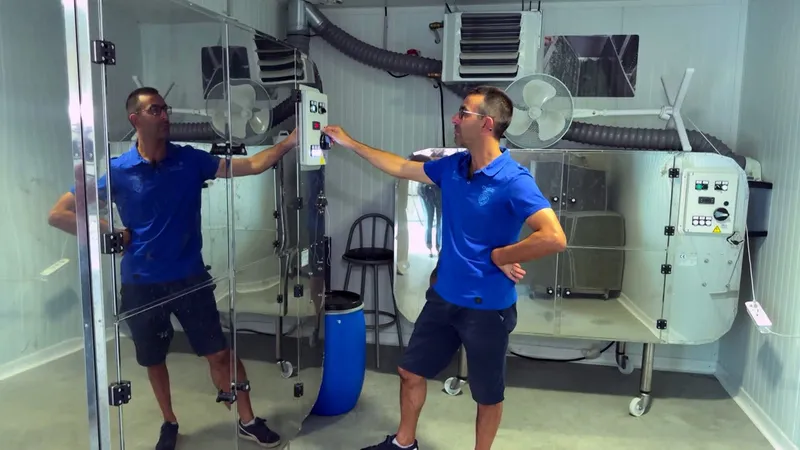
At the center of this story is Jean‑Marc Constant, a patient grower who treats spirulina like a living ecosystem rather than a commodity. “It’s a concentrated burst of vitality with exceptional nutritional virtues,” he says, summing up the appeal of this emerald crop. Inside his serene serre, the water hums with gentle motion, and the culture’s deep green signals robust health. What looks simple is in fact precision work, where small tweaks shape flavor, purity, and nutrient preservation.
What sets this microalga apart
Spirulina, botanically known as Arthrospira platensis, is a filamentous cyanobacteria long prized for dense nutrition. It concentrates highly bioavailable proteins (often 55–70%), chelated iron, B‑vitamins, and an azure pigment, phycocyanin, linked to strong antioxidant and anti‑inflammatory activity. Its minimalist matrix makes those nutrients unusually accessible, a boon for people seeking compact nourishment.
- Supports cellular antioxidant defenses and combats everyday oxidative stress
- Helps modulate mild inflammation and promotes post‑effort recovery
- Contributes to gentle detox processes through chlorophyll and trace minerals
- Aids normal immune function with iron and specific pigments
- Encourages steady energy and satiety thanks to balanced proteins
From pond to jar, step by step
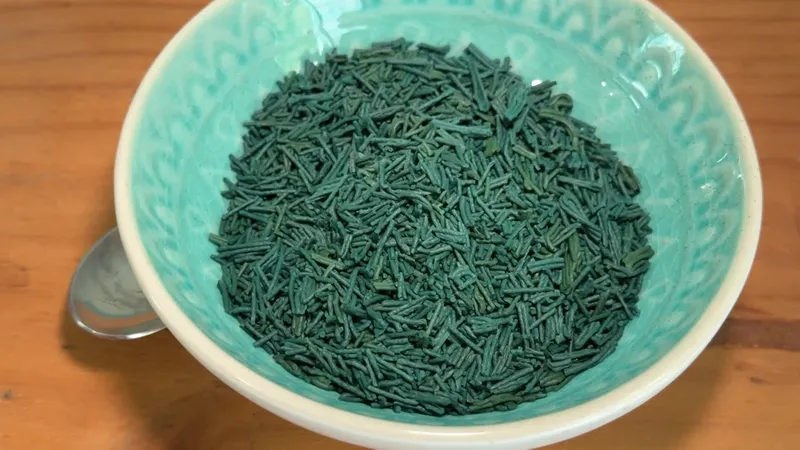
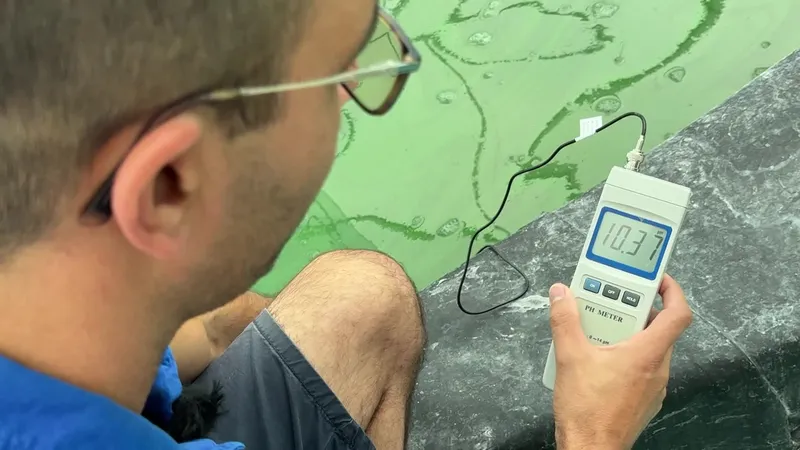
In Razac‑sur‑l’Isle, the culture rests in gently aerated basins kept near 30°C, where constant flow ensures oxygenation and even light. Daily checks of pH and dissolved CO2 stabilize the living broth, preventing abrupt shifts that would stress the organism. When density peaks, a fine filtration collects the biomass, which is then pressed and carefully dried at low temperatures. This preserves delicate compounds like phycocyanin and keeps proteins intact, safeguarding both taste and value.
How to fold it into daily life
A teaspoon — roughly three grams — is a practical daily dose for most adults, often in the morning. Blend it into a cool smoothie, swirl into yogurt, or dust over a citrusy salad with olive oil. Keep it away from high heat, because extended cooking can dull prized nutrients and pigments. Consistency matters more than sporadic mega‑servings; small, steady intakes help the body adapt and make the most of what’s inside.
Provenance, price, and principles
Local “spiruline paysanne” from the Isle valley reflects a short, transparent chain: limited water use, no herbicides or insecticides, and nearby customers. Expect around twenty euros per 100 grams for this meticulous, small‑scale craft, a cost aligned with careful drying and year‑round attention. Store it airtight, cool, and away from light to protect color and keep aromas fresh.
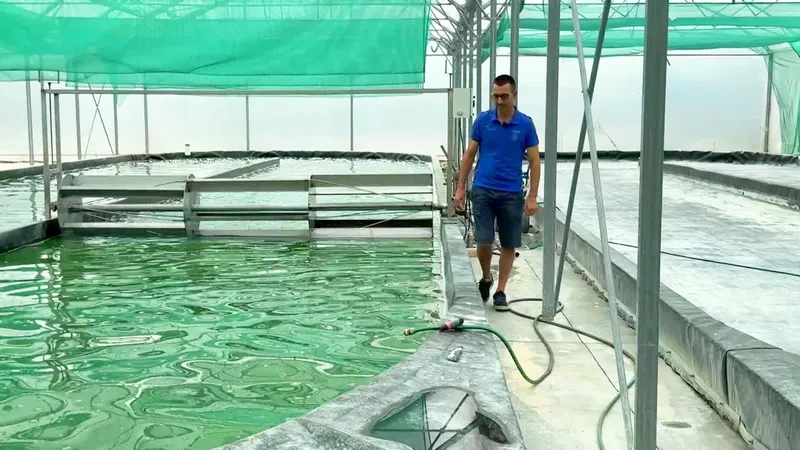
From the soft churn of greenhouse basins to crisp emerald flakes, this Périgord specialty shows how place, patience, and process shape nutrition. Grown with restraint and sold close to home, it offers concentrated goodness without needless excess. For those who value traceable origins and tangible benefits, spirulina from Dordogne makes everyday eating feel both simpler and stronger.