
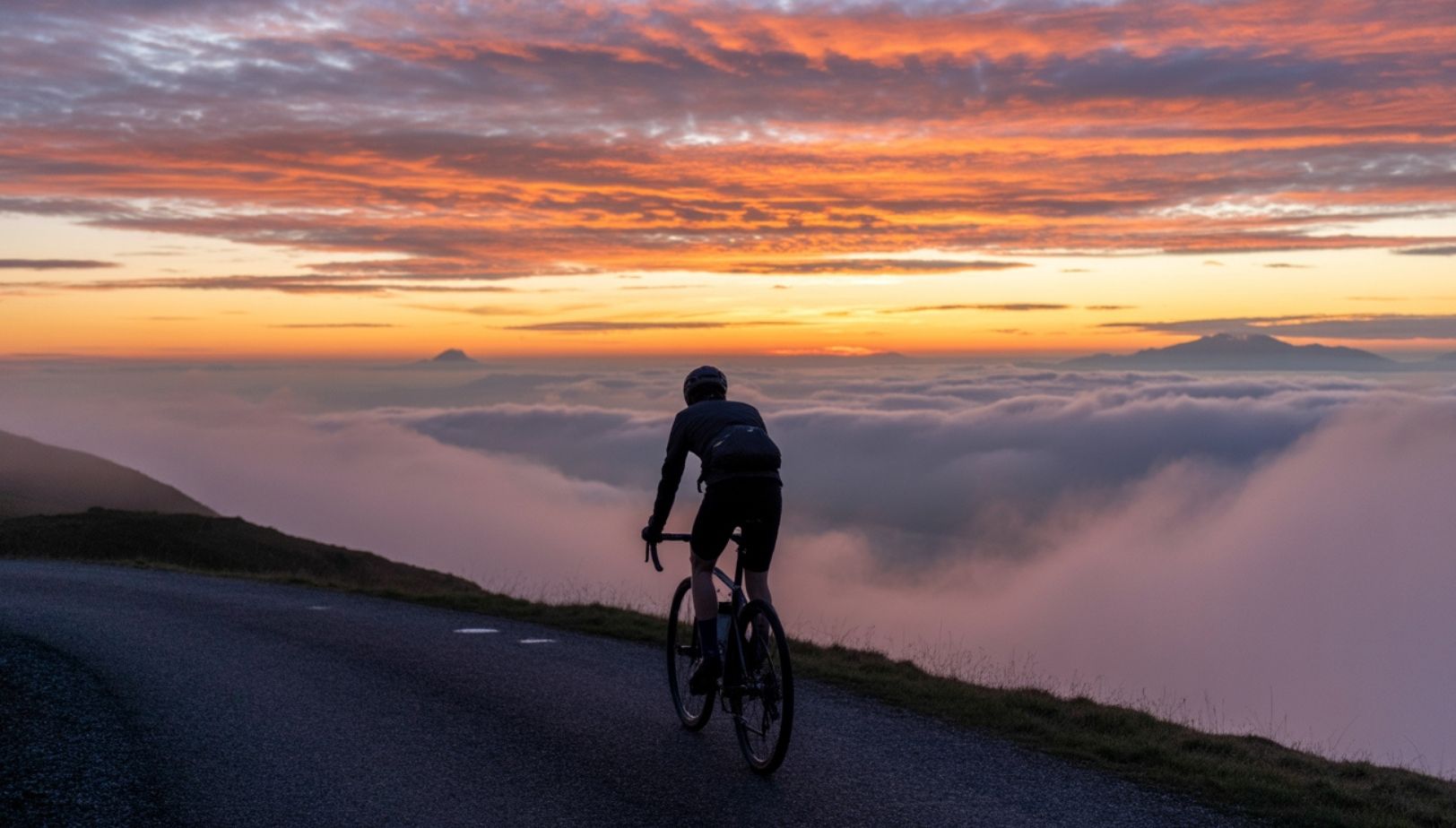
The latest research points to a surprisingly simple prescription: ride a moderate 15 kilometers per day to rebuild your fitness efficiently. This daily dose hits the physiological sweet spot while sidestepping excessive fatigue. For most riders, it balances effectiveness with sustainability, turning routine effort into lasting health gains.
The 30-minute sweet spot
Public-health guidelines from the WHO recommend 150 minutes of moderate exercise weekly. Split evenly, that’s about 30 minutes daily, which a comfortable 15-kilometer ride typically covers. At this duration, your body triggers key cardiovascular and metabolic adaptations without overshooting into unnecessary strain.
Why 15 km, not 10 or 20?
At 10 kilometers, many riders barely reach optimal physiological readiness before the session ends. By 15 kilometers, you accumulate enough time in the right zone to drive durable improvements. Push to 20 kilometers daily, and fatigue can build, especially for newer riders juggling life demands. The 15-kilometer target is a pragmatic middle ground between effectiveness and adherence.
Progressive adaptation matters
If you’re brand-new, start with 5–10 kilometers and increase volume about 10% per week. This gradual ramp lets your heart and muscles adjust without painful setbacks. Returning riders can aim for 10–15 kilometers and stabilize before considering any progression. Consistency wins when workloads are manageable, enjoyable, and repeatable.
Concrete benefits you’ll feel
Within weeks, resting heart rate often drops, blood-pressure control improves, and lipid profiles trend healthier. You’ll notice better insulin sensitivity and lower systemic inflammation with regular, moderate cycling. Body composition shifts with less fat and stronger, more enduring leg musculature. Daily function becomes easier, with more energy and less perceived effort.
How to fit 15 km into busy days
Your commute is a hidden gym, turning necessary travel into structured training. A 15-kilometer round trip can be split morning and evening for built-in consistency. If commuting isn’t feasible, try a 30-minute loop before work or as a post-day decompressor. Keep the route simple and repeatable to minimize planning friction.
- Choose a flat, low-traffic route you can ride on autopilot.
- Keep your bike ready: pumped tires, charged lights, and a visible jacket.
- Use a soft gear to maintain smooth cadence and steady breathing.
- Track only one simple metric at first: daily distance completed.
- Celebrate streaks to anchor long-term habits and internal motivation.
Intensity: steady beats spicy
Aim for a conversational pace where sentences feel easy and breathing stays controlled. This is the aerobic zone most strongly tied to health and longevity. Sprinkle in short, optional surges once or twice a week if you feel fresh. Too much intensity too often raises fatigue and undermines consistency.
Handling tough conditions
When time is tight, split the ride into two segments of 7–8 kilometers each and stay on-track. On harsh-weather days, use an indoor trainer to keep the habit alive. Remember, regularity trumps heroics: better 10 kilometers daily for a month than sporadic epics.
Safety and recovery basics
Hydrate before you roll, and eat a light carb-rich snack if you feel sluggish. Keep your saddle height correct to protect knees and improve efficiency. Sleep is your quiet multiplier, turning today’s effort into tomorrow’s fitness. If soreness lingers, dial back intensity while preserving daily movement.
For advanced riders
If you’re already well-trained, 30–50 kilometers per day can serve performance goals. Those volumes demand sharper recovery, nutrition, and training periodization. For general health, 15 kilometers remains ample and powerfully protective. More is not automatically better if it breaks your consistency.
The sustainable path back to form
“Consistency beats intensity when the goal is lifelong fitness.” That’s the mindset that turns 15 daily kilometers into durable change. Commit to moderate effort, repeat it often, and let adaptation do the rest. Your future self will feel more resilient, energized, and ready for everyday challenges.