
Washington.— A broad coalition comprising more than twenty states and various local jurisdictions filed lawsuits in federal courts against the administration of President Donald Trump, seeking to block the entry into force of a regulation on the so-called ‘public charge’ that authorizes immigration officers to deny permanent residency to foreigners who utilize social assistance.
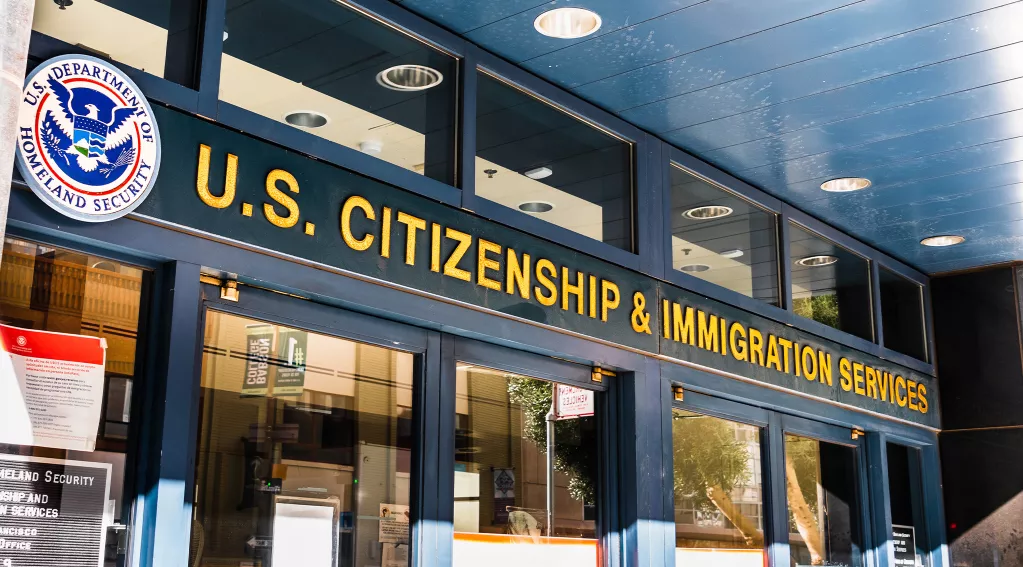
The judicial offensive, led by the attorneys general of New York, California and Illinois, challenges the regulation issued by the Department of Homeland Security (DHS) that expands the discretionary criteria to assess whether an applicant for a visa or permanent residence is at risk of becoming a financial burden on the State.
The lawsuits filed in the federal district of Manhattan emphasize that this provision violates the Administrative Procedure Act and exceeds the legal bounds originally set by Congress in the historic immigration regulations.
Previously, regulatory frameworks limited public charge evaluations to the direct collection of cash benefits or long-term institutionalization funded by the treasury; the new regulation expands scrutiny to non-monetary state subsidies.
Among the programs that immigration could weigh negatively are the Supplemental Nutrition Assistance Program (SNAP) food assistance, public housing vouchers, and medical services under Medicaid.
Additionally, the plaintiffs warn that officials are empowered to consider the use of requested assistance benefits for the benefit of dependents or relatives, including in the case of minors who are U.S. citizens by birth.
State attorneys argue that the social impact of the measure creates a severe ‘chilling effect’ or voluntary confinement among families with mixed immigration status.
Technical estimates included in the court filings indicate that a substantial percentage of legal residents and eligible immigrants will choose to drop or forgo essential health, nutrition, and housing subsidies due to the unfounded fear that such assistance could affect their future path to legalization or jeopardize the staying of their family units in the country.
Economically, the states contend that the massive contraction in enrollment in public programs will lead to multimillion-dollar losses for local finances.
As the use of government medical coverages declines, the networks of community hospitals and public health centers will bear unreimbursed emergency care costs.
Additionally, local authorities allege that the reduced flow of federal funds allocated for food subsidies will directly impact local retail trade.
Spokespersons for the federal administration maintain that the regulatory adjustment seeks to restore the fundamental principle that immigrants should be financially self-sufficient and not rely on the state’s social safety net.
The White House has defended the legality of the order, noting that taxpayers should not bear the financial burden of public services for non-citizens.
Civil rights organizations and state governments sought an emergency injunction to suspend the rule’s implementation while the underlying litigation is resolved in the courts.