
Renault has launched a broad safety action after identifying a fault in the parking-brake system across several models. The measure affects recent vehicles and focuses on a component that can impair the reliability of the Park lock function. While the electronic parking brake still works to hold the vehicle, the situation raises legitimate safety concerns.
Affected models and production window
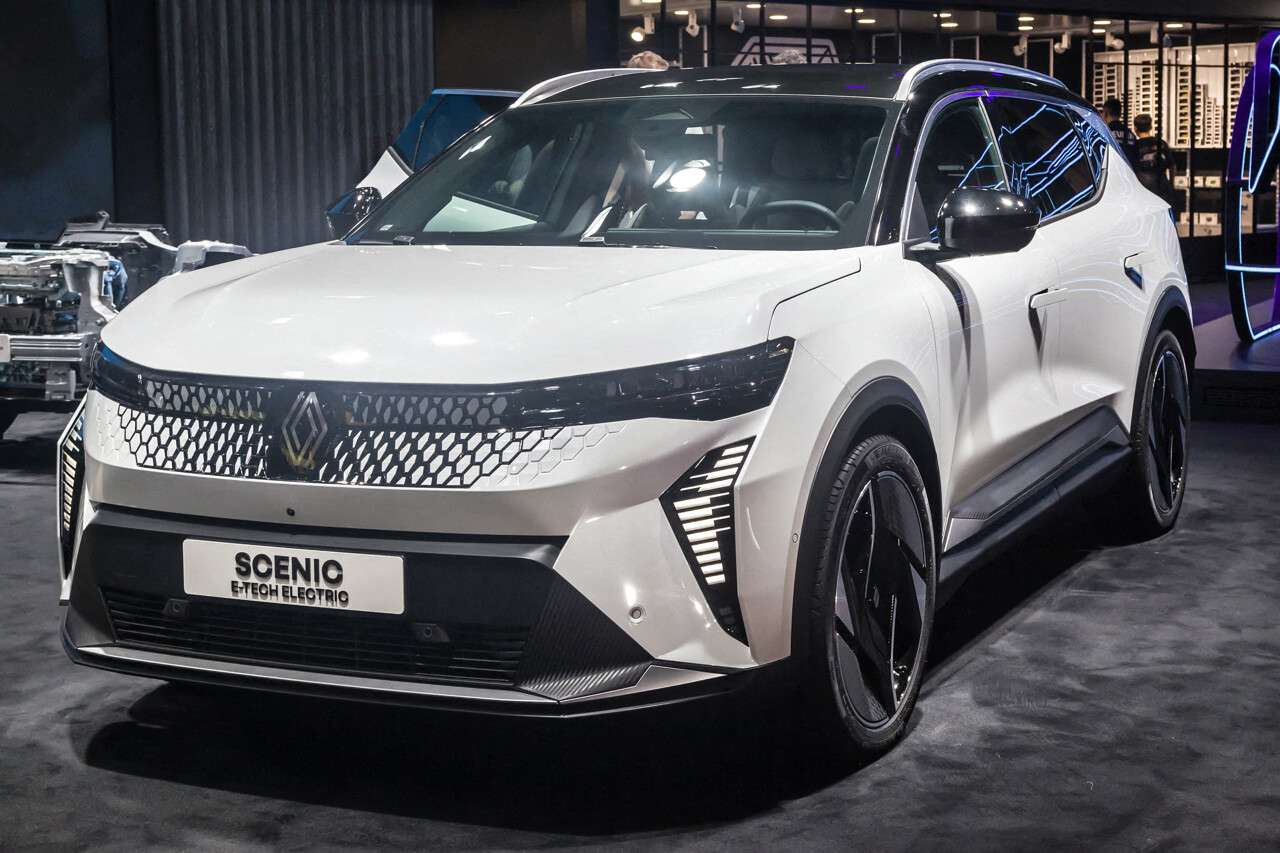
The campaign covers multiple Renault nameplates in the European market, according to the French portal Rappel Conso. Impacted vehicles include Captur II, Mégane E‑Tech, Scenic E‑Tech, Austral, Espace VI, and the Rafale.
These units were reportedly sold between 10 April 2024 and 16 January 2025. Owners within that timeframe should be especially vigilant and check their documents for matching approvals.
Type-approval series cited as affected:
- e22007/460684*28
- e22018/85800018*09
- e22018/85800018*11
- e92018/85830002*13
- e92018/85830002*16
If your registration matches any of these references, you should assume your vehicle may be involved.
The defect behind the recall
The issue centers on the position sensor for the parking‑brake actuator, which can sit at an incorrect angle. That misalignment may misplace the stop pin in the Park‑lock setting, disrupting how the system engages “P.”
Under specific conditions—such as pressing the P button, switching the engine off, unbuckling the driver’s seatbelt, or opening the driver’s door—the parking brake can lock unexpectedly. This behavior is inconsistent with normal operation and must be remedied by a dealer.
“Brakes are the vehicle’s most important safety system, and any doubt about their behavior warrants immediate attention.”
Safety implications drivers may notice
The primary risk is an increased likelihood of accidents or minor collisions in low‑speed situations. If Park lock does not engage precisely when expected, the vehicle’s position may shift, or the brake could hold in an unintended state.
Renault notes the assisted parking brake remains functional and can secure the car. Even so, the potential for incorrect Park‑lock engagement is a meaningful hazard, particularly on slopes, in tight spaces, or during frequent stop‑and‑go maneuvers.
Drivers might observe warnings on the cluster, a Park message that fails to confirm, or a sensation that the P button requires unusual pressure. Inconsistent engagement is a sign to stop driving and arrange service without delay.
What owners should do now
Owners should contact an authorized Renault service center as soon as possible. Provide your registration details and any recall letter or notice you have received so the advisor can verify eligibility and book a visit.
Do not rely on improvised workarounds or repeated attempts to force the mechanism. Until the inspection, park on level ground when feasible, select the Park position with care, and apply the parking brake firmly after stopping. Use wheel chocks on steep inclines if you must leave the car unattended.
Service teams can inspect the sensor alignment, verify the stop‑pin position, and perform any corrective action or software update prescribed by the campaign. This intervention is typically carried out free of charge, consistent with recall policy.
Keep documentation of the appointment, the performed repairs, and any subsequent test results. If you purchased the vehicle used during the affected window, proactively contact a dealer to check your VIN.
Why this matters for modern vehicles
Today’s parking and braking systems integrate mechanical hardware with electronic controls. That architecture delivers convenience and enhanced safety, but it also means small calibration errors can have outsized effects.
Electric and hybrid E‑Tech lines rely on precise coordination between actuators, sensors, and control logic. When one element is out of tolerance, driver expectations around Park engagement and brake holding can be compromised.
This recall underscores the value of rapid communication between manufacturers, regulators, and drivers. Early detection, clear instructions, and swift rectification are essential to preserve trust and protect everyday mobility.
If you believe your vehicle might be affected, act promptly rather than waiting. A short service visit now can prevent an avoidable incident later and restore full system confidence on the road.
