
A warehouse blast that rewrote expectations
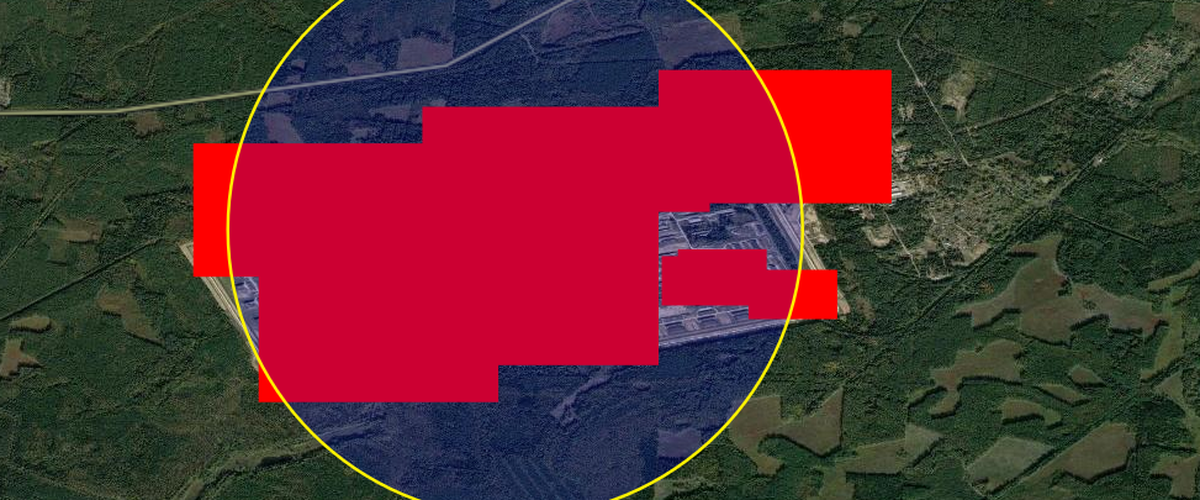
On April 22, a series of violent detonations ripped through the 51st arsenal of Russia’s GRAU, one of the country’s most important ammunition depots. The blasts reportedly destroyed a square kilometer of infrastructure, incinerating stockpiles that Ukrainian assessments placed at roughly 105,000 tons of munitions. Among the damaged materiel were newly arrived multiple rocket launchers that never reached the front, severing a supply line before it could stabilize.
North Korean provenance and a shifting identification
Initial reports pointed to Chinese Type 63 systems, or their Iranian copies, as likely casualties of the inferno. Subsequent comments from Ukrainian military intelligence, in an interview with The War Zone, suggested the launchers were more likely the Type 75, a North Korean-built derivative of the Type 63. The updated assessment underscores how opaque wartime logistics can confound early attributions, especially within rapidly shifting inventories.
What the systems can do—and what they cannot
While technical details for the Type 75 remain scarce, its lineage implies broadly similar performance to the Chinese original. The Type 63 family fires unguided 107 mm rockets with a typical range around 8 km, extending to approximately 11 km with more modern munitions. Each rocket weighs about 18–19 kg, carrying an 8 kg warhead suited for area suppression against lightly fortified positions.
These characteristics place the system in the category of short-range, high-volume fire support, effective for harassing fire and rapid, dispersed attacks. Yet its limited range and unguided nature demand proximity to the line, where counter-battery radar and drones can quickly detect and track launch elements.
A blow to stockpiles, schedules, and messaging
The 51st GRAU arsenal is not merely a warehouse; it is a hub in Russia’s munitions ecosystem. Its disruption lands a triple strike: it destroys finished systems, scrambles delivery calendars, and complicates the replenishment cycle for associated rockets and spare parts. The result is a measurable delay in translating foreign deliveries into battlefield effects.
“The blast erased months of logistical effort in a single night,” captures the mood among analysts following the depot incident. Even if replacement units arrive, the loss of prepositioned stock can create long-tail friction that ripples through training, allocation, and unit readiness.
Why depot vulnerability matters more than range tables
Short-range rocket artillery is most useful when abundant, mobile, and close to the fight. Destroying launchers upstream—before they disperse across multiple brigades—negates those advantages at their most fragile moment. Static storage sites present concentrated targets, and successful strikes there can have effects disproportionate to the systems’ unit cost.
The broader lesson is about survivability across the lifecycle: transport convoys, rail nodes, staging areas, and arsenals each present unique exposures. In a theater saturated with reconnaissance drones and precision fires, any lapse in concealment or hardening can prove catastrophic.
What we know so far
- The April 22 blasts devastated a major GRAU arsenal, consuming a large area of infrastructure.
- Newly delivered multiple rocket launchers were reportedly destroyed before front-line deployment.
- Ukrainian intelligence now points to North Korean Type 75 systems, a derivative of the Chinese Type 63.
- The Type 63 baseline has an 8–11 km range, firing 18–19 kg rockets with 8 kg warheads.
- The loss imposes delays on training, allocation, and sustainment, even if replacements are procured.
Implications for foreign suppliers and Russian planning
For Pyongyang, the incident undercuts the symbolism of rapid delivery and complicates claims of impact. For Moscow, it highlights the urgency of dispersal, camouflage, and hardened storage for all imported systems. The calculus is straightforward: the more predictable the logistics, the easier they are to target.
Expect countermeasures to include smaller, more distributed depots, increased use of decoys, and tighter movement windows timed against known surveillance patterns. Such adaptations raise costs and slow throughput, even if subsequent shipments arrive intact.
The battlefield effect—delayed, not denied
The destruction of these launchers does not permanently alter the balance, but it does delay an incremental increase in Russian short-range firepower. On a front where artillery tempo defines operational freedom, even modest delays can shape tactics and tempo over weeks. If repeated, such strikes could turn discrete logistical losses into a persistent drag on force generation and rotational plans.
A reminder carved in smoke and steel
The episode underscores a wartime constant: the safest rocket launcher is the one that has already fired and moved. Until then, it is a pallet, a crate, a railcar—vulnerable to intelligence cues and long-range fires. In this case, the vulnerability materialized before the systems could leave the nest, leaving a gap on paper and a crater in the ground.
In the aggregate, depot strikes fight a different kind of battle—one measured in delayed schedules, missing salvos, and opportunity costs. As both sides adapt, the contest will increasingly hinge on who protects their stockpiles better, and who learns fastest to hit the other side’s where it hurts most.