
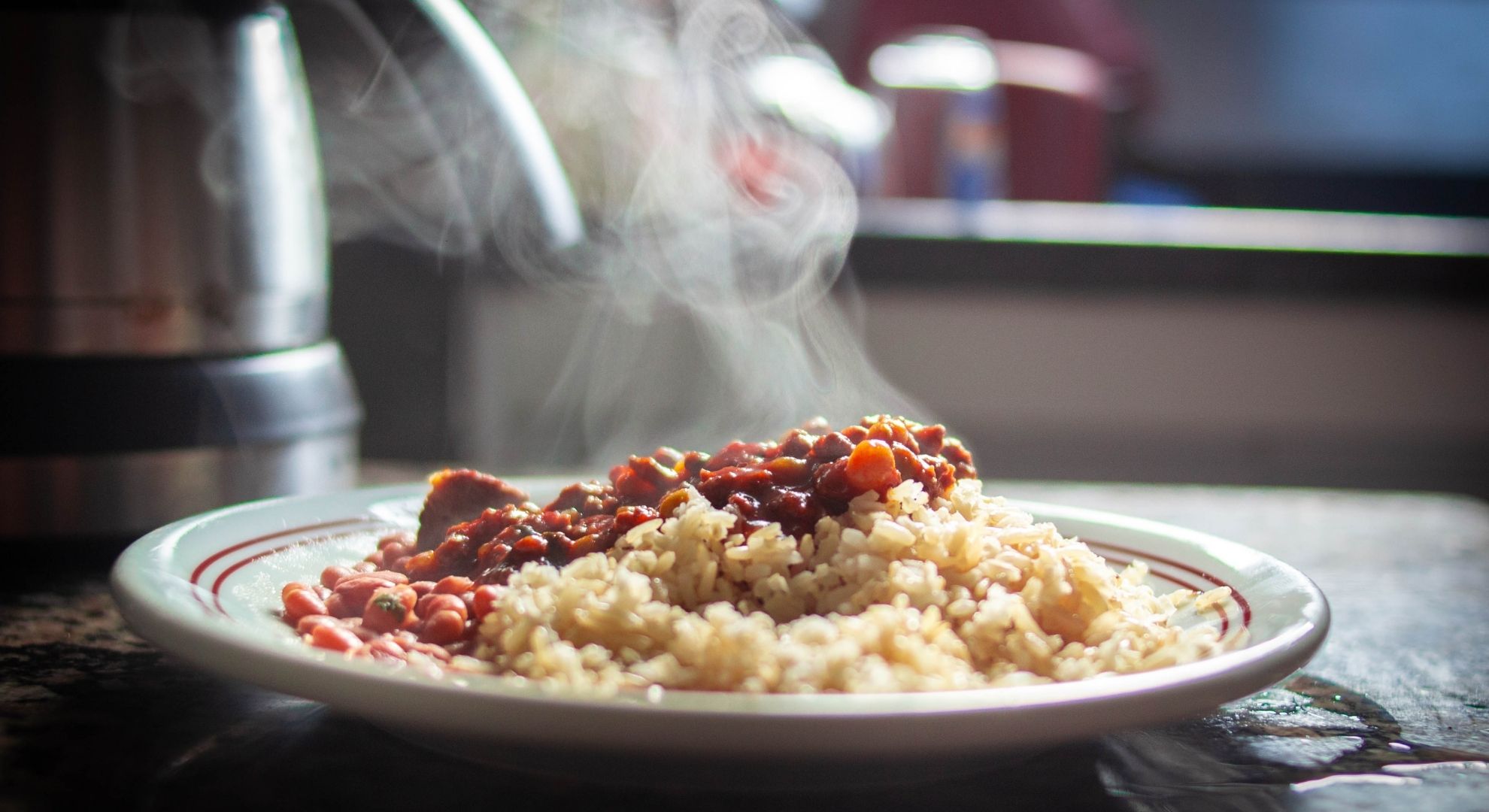
Leftover rice feels innocent, even frugal. You pop it in the microwave, press start, and dinner is done. But a quiet hazard hides in those fluffy grains—one that food safety experts say sends thousands to emergency rooms every year.
“The problem isn’t the microwave—it’s time and temperature,” says a food safety expert. “Reheating the wrong way won’t undo what hours at room temperature have already set in motion.”
Why leftover rice can turn dangerous
Cooked rice can host Bacillus cereus, a hardy bacterium whose spores survive boiling and then wake up when food sits warm. In the “danger zone” (roughly 40–140°F or 5–60°C), the spores can multiply and produce toxins that are heat-stable. Reheating can kill some bacteria, but it won’t neutralize those toxins. That’s why people can reheat rice until it’s piping hot and still get abruptly, violently sick.
Symptoms often hit fast—nausea, vomiting, and watery diarrhea within a few hours—sometimes nicknamed “fried rice syndrome.” Public health agencies link these illnesses to thousands of ER visits each year, frequently tied to improperly handled leftovers like rice.
The reheating mistake experts warn about
Here’s the big error: reheating rice that’s been left out at room temperature for more than two hours (or more than one hour above 90°F/32°C) and assuming heat will make it safe. “If rice sat on the counter, reheating is not a fix,” the expert explains. “It’s already a risk, and the toxin may be there.”
A close second mistake is “slow warm-up” reheating—using a chafing dish, a rice cooker on “keep warm,” or a low-power microwave cycle that warms the outside while the middle stays cool. That lukewarm core is perfect real estate for bacterial growth, especially in compacted clumps.
Safe storage starts the moment you finish eating
Preventing trouble begins not at the microwave, but at the table. Once you’re done, cool quickly. Get cooked rice out of the danger zone within two hours, ideally faster. Spread it in a shallow container, let steam escape, then refrigerate at 40°F/4°C or colder. Aim to use it within 24 hours; while some guidelines allow up to 3–4 days, sooner is safer.
“Think of time and temperature as your two locks,” says the expert. “Close them both, and you keep the spores from waking up.”
How to reheat rice the right way
When you’re ready to eat, bring rice from fridge to table safely and thoroughly.
- Break up clumps so heat can move evenly, then reheat until the rice is steaming hot throughout—at least 165°F/74°C—stirring once or twice for uniform heat. Use a microwave with a cover or a skillet with a splash of water to create gentle steam.
“Reheat once and serve,” adds the expert. “Cool leftovers go back to the fridge, or they go in the bin—not back to the counter.” Avoid multiple reheats; each cycle adds time in the danger zone and increases risk.
The red flags you shouldn’t ignore
If rice was left out for the afternoon, or hit the “keep warm” setting for hours, skip the salvage attempt. Visible dryness, sour odors, or unusual stickiness can hint at spoilage, but absence of smell isn’t reassurance—toxins don’t always announce themselves. “When in doubt, throw it out,” the expert reiterates. Your gut—and the ER—will thank you.
What about restaurants, takeout, and meal prep?
Buffets and takeout raise special questions. Commercial kitchens use time-and-temperature logs, rapid chilling, and hot-holding above 135°F/57°C to keep food safe. At home, you likely don’t—and that’s why caution is your best tool. If takeout rice has cooled to room temp, get it into the fridge within two hours and reheat thoroughly later.
For meal preppers, cook, cool fast, and portion into shallow, airtight containers. Label with the date, store cold, and rotate “first in, first out.” Pair rice with high-moisture add-ins only at reheat time, so you can heat everything evenly and reach safe temperatures.
The bottom line you’ll actually use
- Never reheat rice that’s been sitting at room temperature beyond two hours—heat won’t fix the toxin problem.
- Cool cooked rice quickly, store cold, and use within 24 hours for best safety.
- Reheat to 165°F/74°C, steaming hot throughout, stirring to break clumps and disperse heat.
- Reheat once; don’t bounce rice between counter, fridge, and warmers in repeated cycles.
Rice can be perfectly safe and deeply convenient. Handle it like a perishable, treat time and temperature as non‑negotiable, and you can enjoy leftovers without the late‑night regret. As the expert puts it: “Respect the clock, respect the heat, and your rice will respect you.”