
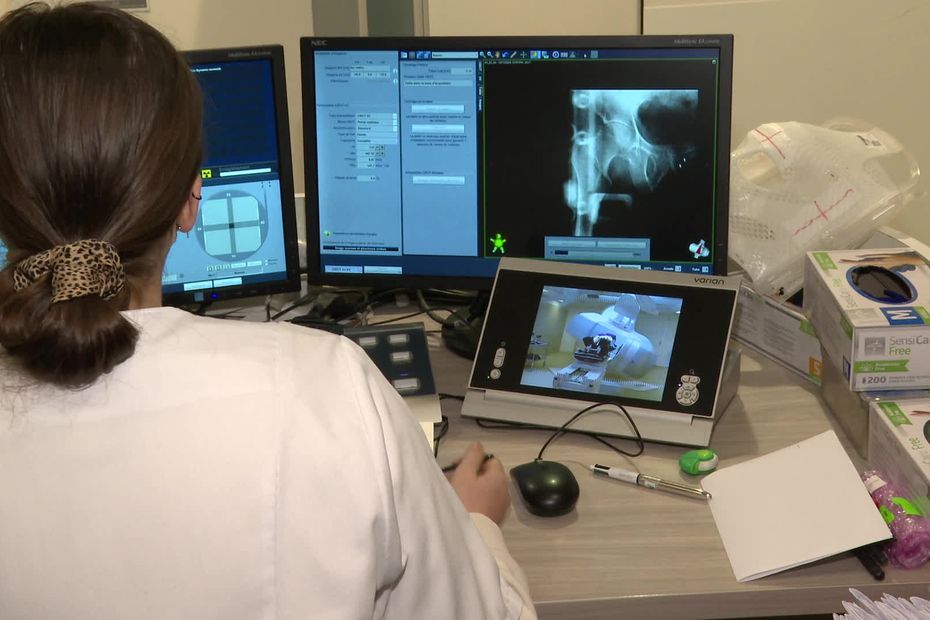
Stereotactic body radiotherapy (SBRT) is a highly precise form of radiation that targets tumors with millimetric accuracy. Instead of many small doses, SBRT delivers a few very focused, high‑energy treatments. The goal is to concentrate radiation on the tumor while sparing the surrounding healthy tissue. This approach reduces overall burden on patients and shortens total treatment time. It is increasingly used for male cancers, particularly those of the prostate and, in selected cases, the bladder.
How it works
At the heart of SBRT is meticulous planning built on advanced medical imaging. Clinicians often place tiny markers, such as gold “seeds,” inside or near the target organ to guide the beams. Real‑time image guidance then tracks movement from breathing or natural motion, ensuring alignment at every moment. Multiple angled beams converge on the tumor, concentrating dose where it is needed most. The result is high precision delivery with sharply defined dose fall‑off to protect nearby structures.
Why it matters for men’s cancers
For prostate cancer, SBRT can treat a localized tumor in far fewer sessions than conventional radiotherapy. Many patients complete therapy in about five visits, rather than twenty or thirty. That shorter schedule can reduce time away from work, family, and daily life. Precision also helps limit radiation to the bladder, rectum, and sexual organs, potentially lowering side‑effect risks. In carefully selected cases, SBRT is being explored for bladder tumors, offering a bladder‑sparing alternative when circumstances are right.
Benefits and possible side effects
The standout advantage is speed combined with accuracy, which can ease both logistical and emotional stress. By minimizing dose to healthy tissues, SBRT aims to reduce certain urinary, bowel, and sexual side effects compared with older techniques. As with any radiation therapy, temporary fatigue or local irritation can still occur. Overall, modern SBRT emphasizes precision, patient comfort, and quality of life.
- Fewer treatment days mean less disruption to daily routines and responsibilities at home.
- Image guidance improves targeting confidence and protects nearby critical organs.
- High conformality can lower unintended exposure to noncancerous tissues.
- Short courses may enhance patient adherence and reduce travel‑related burden.
What a treatment course looks like
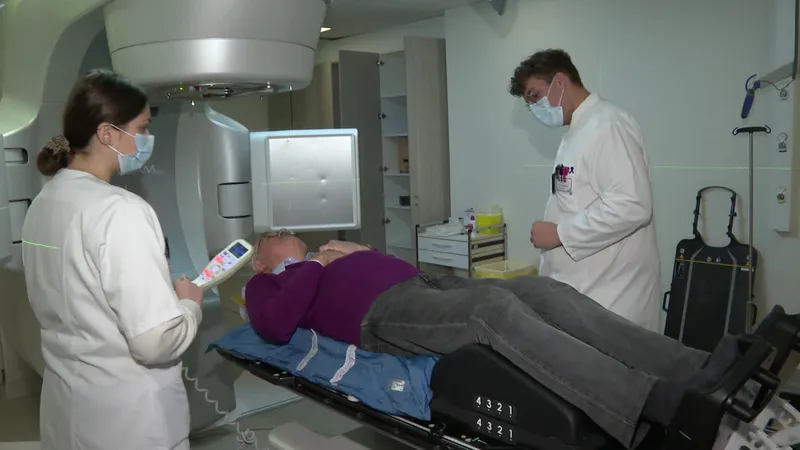
Patients begin with detailed scans and a custom plan that maps every beam angle. During each session, therapists verify positioning with real‑time imaging and guide patients to remain very still. A typical appointment lasts minutes, not hours, and treatment itself is entirely painless. “Precision is not a luxury; it is the point,” notes one specialist emphasizing careful alignment and vigilant monitoring.
Choosing between surgery and radiotherapy
For localized prostate cancer, both surgery and radiotherapy can be highly effective, and choices should reflect clinical and personal priorities. Some men prefer to avoid an operation, while others value surgical pathology or specific recovery paths. SBRT provides a noninvasive option with compelling outcomes in appropriate cases, guided by shared decision‑making. Discussing goals, side‑effect profiles, and lifestyle factors with a multidisciplinary team is essential to an informed choice.
Access and outlook
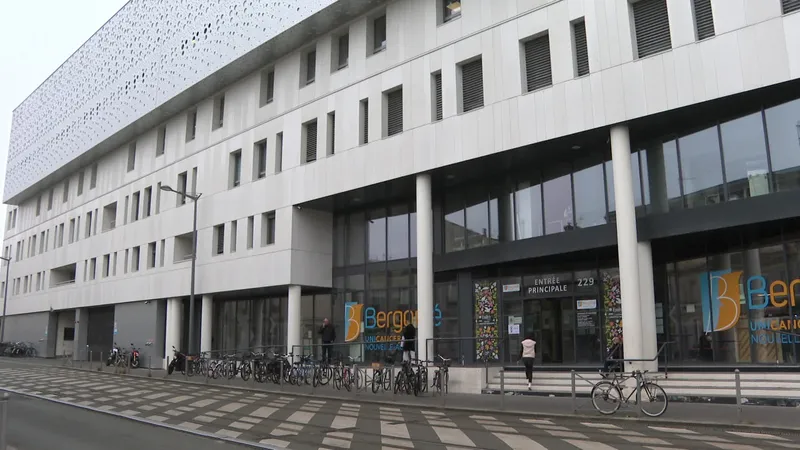
Specialized centers, including leading European hospitals, are expanding access to SBRT for men’s cancers. Programs like those at Institut Bergonié in Bordeaux show how innovation can become standard practice. As evidence grows, clinicians are refining patient selection, dose schedules, and supportive care. The broader goal is simple yet ambitious: deliver curative‑intent treatment with fewer compromises to everyday life.
Public awareness remains crucial for early detection, when organ‑sparing strategies are most viable. Campaigns that encourage screening and timely consultation help men recognize symptoms and seek expert advice. With precise technology, thoughtful planning, and coordinated teams, SBRT is reshaping how we treat male cancers today. Its blend of accuracy, speed, and patient‑centered care promises a future with better outcomes and gentler paths to recovery.
