
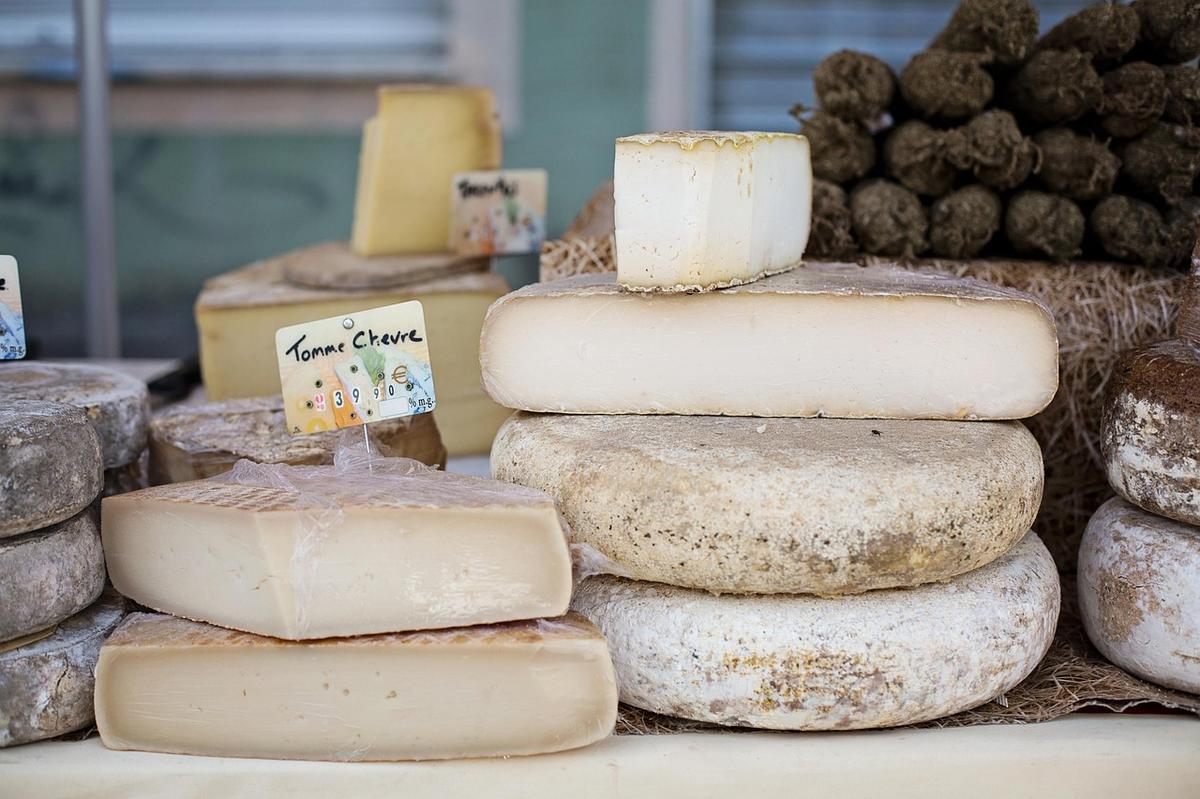
Cheese can fit into a heart‑healthy life when choices are thoughtful and portions are mindful. The key is prioritizing options lower in saturated fat while keeping total intake modest. You can still enjoy rich flavors, especially if you combine cheese with fiber‑rich foods that support cholesterol control and focus on quality over quantity.
Fresh and lighter styles
Fresh cheeses tend to be naturally lower in fat and higher in protein. Options like cottage cheese, quark or fromage blanc offer creamy texture with fewer saturated fats. They pair well with herbs, tomatoes, or berries for a satisfying snack.
Ricotta is another versatile pick, especially part‑skim versions that keep fat reasonable. Part‑skim mozzarella can also be a solid choice, delivering good calcium with a softer saturated‑fat impact. Aim for about 30 g (1 oz) per serving to keep portions consistent.
Goat and sheep cheeses
Goat’s milk cheeses are often slightly lower in saturated fat than many cow’s milk counterparts. Many people also find them easier to digest, particularly in fresh styles like chèvre that spread easily over whole‑grain toast. Choose simple, minimally processed varieties to keep sodium and additives modest.
Sheep’s milk cheeses can be flavorful yet manageable when you portion them carefully. A few crumbles can elevate salads or roasted vegetables, helping you use less while getting more taste.
Hard cheeses for big flavor
Flavor‑packed hard cheeses let you use very little while still feeling indulged. Parmesan or Grana Padano, finely grated, can transform soups, pastas, or steamed greens with a teaspoon or two of umami. Because they are dense, the calories and sodium add up, so treat them like a seasoning.
A small shaving of Pecorino Romano goes a long way as well, delivering bold character. The strategy is “more flavor, less volume” to keep saturated fat lower overall.

How to read labels wisely
Nutrition labels help you compare brands whose fat and sodium can vary widely. Check values per 30 g (1 oz) serving, and aim to keep saturated fat as low as practical within your overall daily budget.
Look for:
- Saturated fat: favor options with a lower per‑serving number
- Sodium: cheeses can be salty, so compare brands
- Protein: higher protein can make smaller portions more filling
- Calcium: a useful bone‑health benefit
- Ingredients: simpler lists usually mean fewer additives
Smart pairings and meal ideas
Combining cheese with high‑fiber foods can help reduce cholesterol absorption. Think salads with leafy greens, lentils, or whole‑grain crackers. Add vegetables, beans, or berries to boost volume, so smaller portions still feel generous.
Great ideas include ricotta on grilled zucchini with fresh basil, cottage cheese with berries and a sprinkle of walnuts, or chèvre over beet and arugula with a citrus vinaigrette. Each balances fat with fiber, antioxidants, and flavor.
“The goal isn’t to ban cheese; it’s to let cheese enhance a heart‑healthy plate without dominating it.”
What to limit
Double‑ or triple‑cream styles are especially rich in saturated fat, so keep them for rare, small tastings. Processed slices and spreads can add sodium and additives without much nutritional upside. Some plant‑based cheeses rely on coconut oil, which is high in saturated fat, so read labels and prefer versions based on nuts or soy with canola or olive‑oil fats.
Blue cheeses can be salty; use a crumble for impact, then fill your plate with produce for balance. The same principle applies to brie, camembert, and washed‑rind cheeses: enjoy a thin slice, not a large wedge.
Portions, frequency, and the bigger picture
A practical portion is about 30 g (1 oz), roughly two thumbs or a pair of dice‑sized cubes. Many people do well enjoying cheese several times a week, adjusting frequency to their cholesterol targets and overall diet quality. If you’re on statins or have specific lipid goals, tailor choices with your healthcare team.
Remember that the whole pattern matters more than any single food. Favor vegetables, legumes, whole grains, fruits, and unsaturated fats from olive oil, seeds, and nuts. Let cheese be a flavorful accent in a diet that keeps LDL in check and supports long‑term heart health.
