
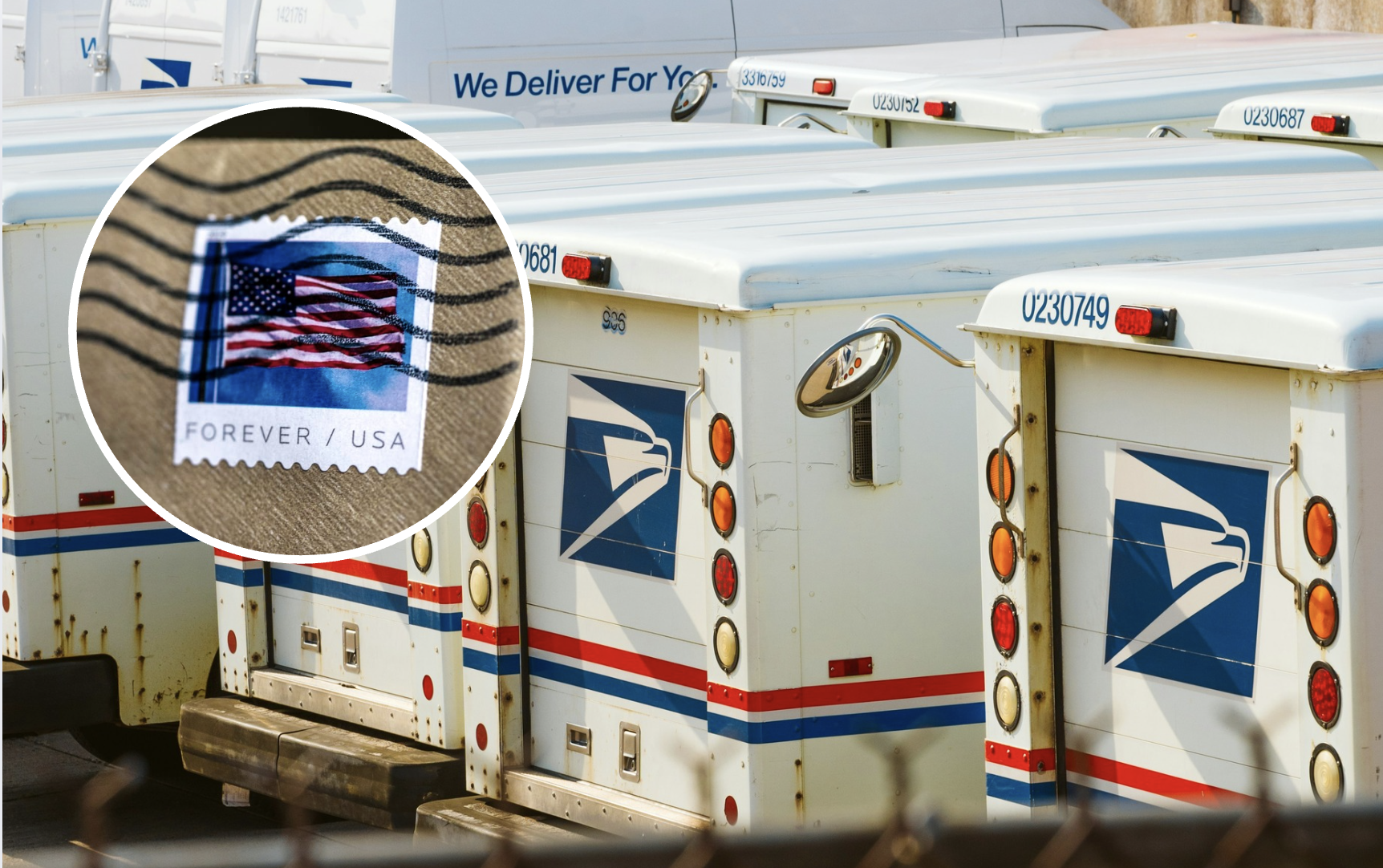
USPS Postmark: Learn how the postmark is applied in 2026. How it could affect voting, taxes, and mail payments sent from Houston.
Starting in January 2026, an operational change by the United States Postal Service (USPS) could have significant consequences for residents of Houston and Harris County who mail ballots, tax payments, tax protests, or official documents by mail.
The new rules modify when and how the postmark is placed, a key detail because many state and federal laws determine whether a procedure is valid based on the postmark date, not the date the person deposited the envelope in the mailbox.
Tax authorities and experts advise sending correspondence several days in advance to avoid important documents being marked late.
What changed with the USPS postmark?
With the changes to the USPS postmark, mail will no longer be automatically postmarked when the Postal Service receives the item. Instead, the postmark will be applied later, when the mail is classified and processed at regional distribution centers.
This means that:
-
An envelope can be deposited on time in a mailbox
-
But receive a postmark after the deadline
-
And, therefore, be considered late
The USPS explained that the goal of the change is to make clear that the postmark reflects when the mail is processed, not necessarily when it is delivered by the sender. Additionally, some pieces of mail may not receive any postmark at all.
Why this change matters for Houston
In Houston and Harris County, millions of residents rely on mail to meet legal deadlines, from elections to taxes.
According to the Texas Comptroller’s Office, many payments and filings are considered valid only if the postmark meets the scheduled deadline. With the USPS postmark changes, sending documents “at the limit” could entail fines, penalties, or loss of rights, even if the person acted in good faith.
This affects especially:
-
Voters who mail ballots
-
Taxpayers who pay taxes or file protests
-
Residents who mail utility payments or legal documents
When is it best to mail now?
Given the changes to the USPS postmark, the general recommendation is clear: don’t wait until the last day.
USPS and state authorities suggest:
-
Mail time-sensitive items several days before the deadline
-
Consider receipt-confirmation services, such as certified or registered mail
-
Request a free manual postmark directly at a post office
-
Use online options when available
These alternatives provide clear proof of when the document was delivered to the postal service.
Key dates in Harris County to keep in mind
The USPS postmark changes are especially relevant for these common procedures in the Houston area:
Property tax payments
In Harris County, payments mailed must have a postmark no later than January 31. If that date falls on a weekend or county holiday, the next business day counts as valid.
Tax appraisal protests
The deadline to mail or file a tax protest with the Harris Central Appraisal District is May 15. A late postmark can invalidate the protest.
Texas elections
-
Mail ballots must be sent before 7 p.m. on Election Day
-
They must arrive at the county election office by 5 p.m. on the next business day
-
Voter registration applications must have a postmark 30 days before the election
Under the new system, waiting until the last moment increases the risk that the vote will not be counted.
Who should pay special attention?
Although the USPS postmark changes apply nationwide, in Houston the impact may be greater due to the volume of mail, population density, and high electoral participation.
Precautions should be taken:
-
Older adults who rely on traditional mail
-
Communities that vote by mail more frequently
-
Taxpayers who handle tight deadlines
-
Residents with limited access to digital processes
Final recommendations for Houston residents
As the USPS implements these changes, experts agree that the best protection is to plan ahead. Send documents with time to spare, keep receipts, and opt for verifiable alternatives to avoid unnecessary headaches.
The USPS postmark changes do not mean that mail will stop being reliable, but they do require new habits to meet important legal deadlines.