
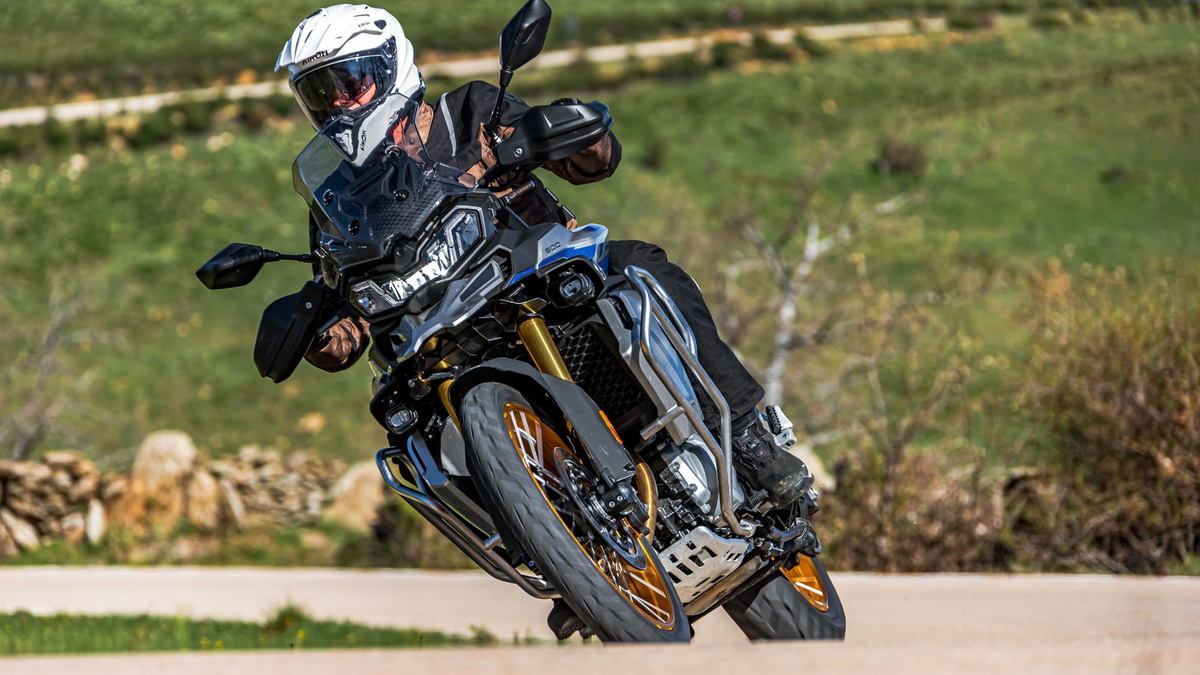
From supplier to challenger
Two decades ago, BMW tapped Loncin to build engines and complete bikes, seeking scale without sacrificing standards. The Chinese giant invested in European quality processes, tooling, and validation to meet strict regulations. What began as contract manufacturing quietly became a deep technical exchange.
Out of Loncin’s premium brand, Voge, a new strategy emerged: leverage proven platforms, refine specification, and attack price-sensitive segments. Licensed architectures and supplier know‑how shortened the learning curve, while localizing components sharpened the final cost.
Spain’s wake‑up call
In Spain, the shift turned visible — and undeniable. Voge vaulted into the country’s top four brands, with its 900 DSX topping the hotly contested adventure trail category. Month after month, the model’s momentum put pressure on long‑standing leaders, even as scooters still dominate volumes.
Reports place Zontes in third among brands and Voge in fourth, with BMW sliding to around seventh on the chart. Model‑by‑model, the DSX often ranks among Spain’s top three two‑wheelers, a striking feat for a premium‑priced trail amid bargain scooters.
Why riders are switching
Beneath the headlines, the recipe is simple and sharp. Voge pairs familiar European‑style dynamics with richer equipment at a keener price.
- Blind‑spot radar and emergency‑braking alerts as standard, not pricey add‑ons.
- A slick quickshifter bundled in, not hidden on a dealership options sheet.
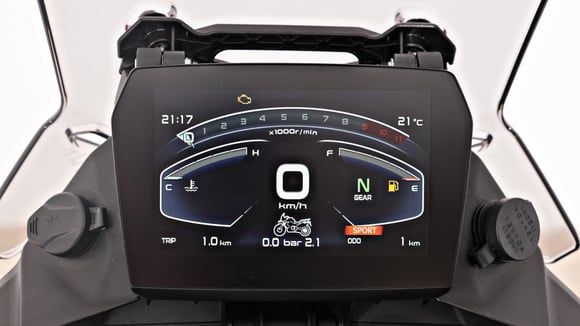
- A bright 7‑inch TFT with phone mirroring, baked in from launch.
- Fully adjustable suspension and Brembo brakes, without a “Pro” package.
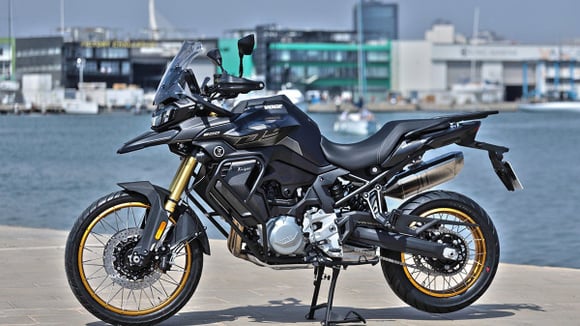
- Spoked tubeless wheels sized for real adventure: 21‑inch front, 17‑inch rear.
“Price wins attention, but thoughtful equipment wins the sale,” sums up the lesson many rivals now face.
Inside the 900 DSX
At its heart is the 895 cc parallel‑twin that Loncin builds to BMW spec, using a 270‑degree crank for a V‑twin‑like pulse. Output sits at about 95 hp and 94 Nm, with an A2‑license‑friendly tune available for step‑up riders. The character feels familiar to anyone who has ridden BMW’s mid‑size GS, only with a different value promise.
Chassis hardware is deliberately serious. KYB provides a 43 mm fully adjustable fork with generous travel, matched to a compliant rear shock. Brembo calipers clamp 305 mm front discs for strong, predictable stopping power. Spoked tubeless rims, shod with Pirelli Scorpion Trail II, prioritize mixed‑surface confidence without sacrificing paved‑road feel.
The money story is equally bold. In Spain, the DSX lists around €9,192, undercutting the BMW F 800 GS and F 900 GS by thousands. Factor in the included radar, electronics, and touring kit, and the spec‑for‑euro calculus tilts even more decisively. Where legacy brands monetize software and hardware options, Voge front‑loads value to reduce purchase‑time friction.
How the apprentice overtook the master
The irony is rich. By partnering early, BMW helped elevate Chinese manufacturing capability, process discipline, and supplier ecosystems. Those gains now power a brand that competes head‑on in Europe’s most passionate segments, wielding many of the same core ingredients.
This is not a simple “cheap beats premium” story. It is about compressing development cycles, reusing validated parts, and reallocating savings into perceived value. When the essentials feel premium and the gadgets come standard, riders forgive brand‑equity gaps far faster.
Beyond Spain: A European barometer
Elsewhere in Europe, the picture is more nuanced. In France, BMW still leads motorcycle sales, buoyed by the boxer‑powered R 1250/1300 GS and a loyal touring‑adventure base. Chinese makers, however, are posting double‑digit growth, especially in mid‑capacity and value‑adventure niches.
Market share remains under 10% across many countries, but trajectory matters more than a single snapshot. Dealer networks are widening, parts logistics are improving, and warranty confidence is catching up with long‑standing rivals. If pricing power tightens across Europe, equipment‑rich propositions like the DSX will look even more compelling.
What comes next
For BMW, the mid‑size GS line still carries enormous gravity, with brand trust, software polish, and resale strength. Yet the competitive set has materially changed, and the partnership playbook of 2005 has created 2026’s fiercest competitor. Expect faster refresh cadences, richer base trims, and sharper finance offers across the adventure class.
In Spain, the message is already clear: capability plus kit at the right price can reorder the grid in record time. And the company that once supplied the master now knows exactly how to win the race.
