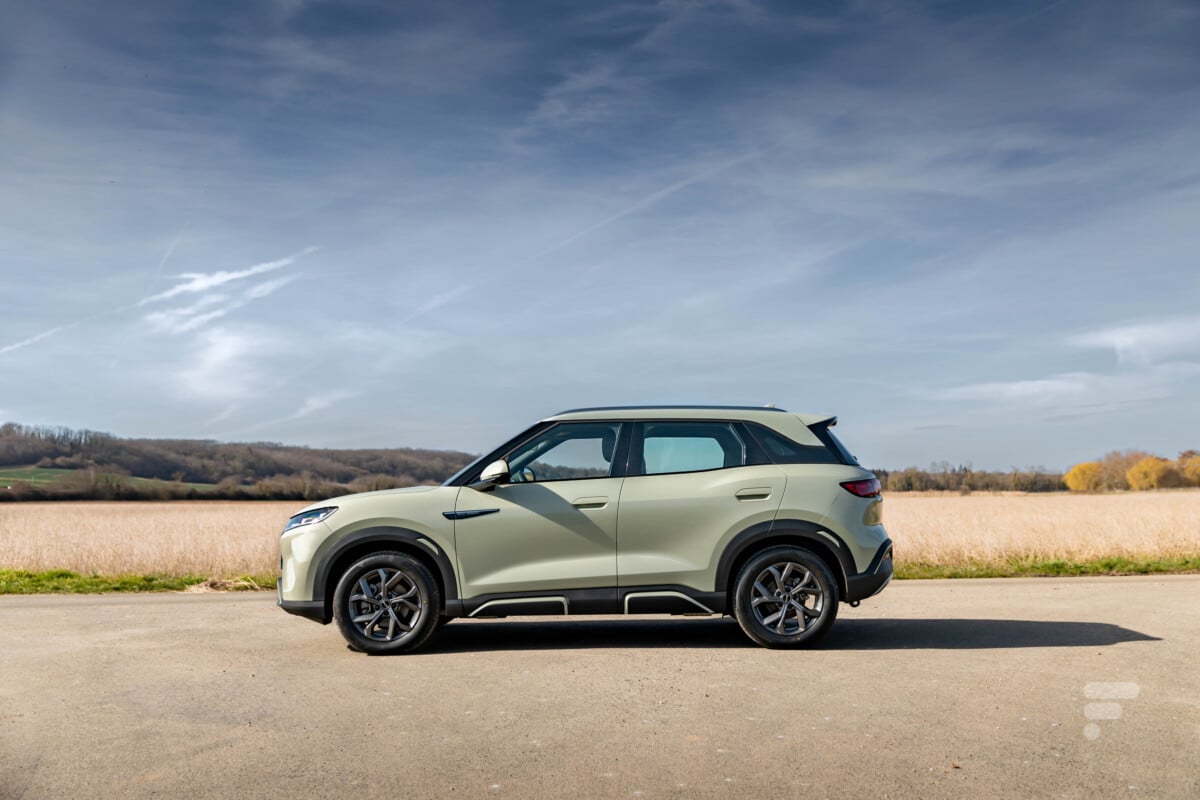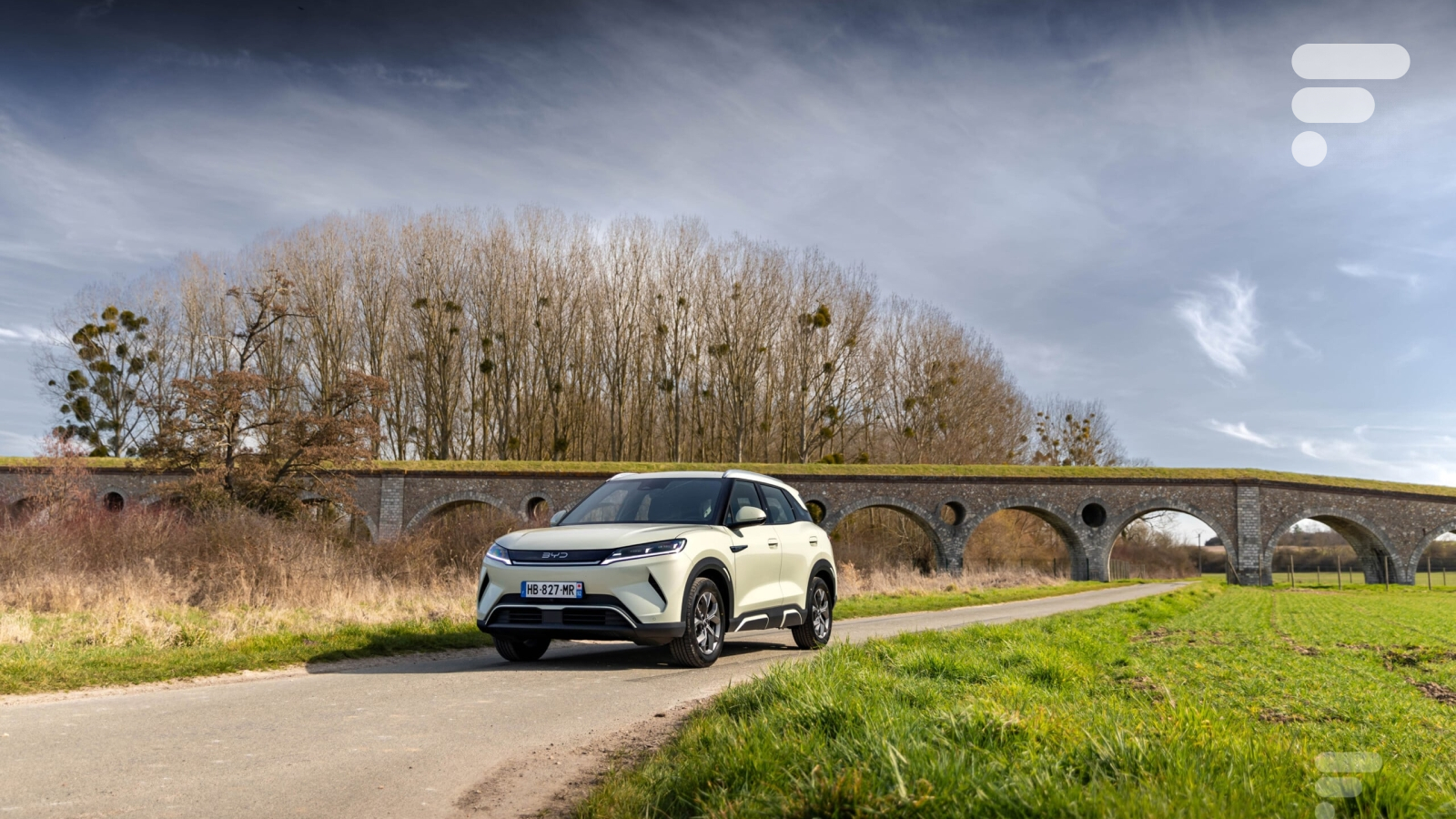
The latest move from BYD shows how a carmaker can cut costs without dismantling the core package. In China, the compact Atto 2 gains a new entry variant with a smaller battery, targeting buyers who value affordability over absolute range. It’s a simple recipe—use a lighter pack and streamline features—but with big implications for Europe’s market.
This model is the Europeanized version of the Chinese Yuan Up, already a familiar nameplate at home. BYD, now a global EV heavyweight, keeps sharpening its value proposition while rivals grapple with supply chains and pricing pressure. By trimming capacity to 32 kWh, the company unlocks a lower sticker and a clearer on-ramp into full electric ownership.
“Cutting battery size trims weight and price, while keeping the car’s core appeal intact.”
Headline specs at a glance:
- 32 kWh battery for a lower entry price and lighter mass
- Estimated 301 km CLTC, roughly 255 km WLTP-equivalent in everyday Europe
- DC fast charging previously capped at 65 kW; time from 10–80% quoted at 37 minutes
- Advanced God’s Eye C driver assistance omitted to reduce costs and complexity
- Blade LFP chemistry expected, aligning with BYD’s in-house battery strategy
A leaner battery, a leaner bill
The new 32 kWh pack undercuts the current 45 kWh option in China and the 50 kWh unit offered in France. That smaller capacity is the clearest lever for immediate savings, since batteries remain the priciest line on any EV’s invoice. BYD is betting many urban drivers will accept shorter range in exchange for a far lower price.
On paper, the 32 kWh version claims up to 301 km on the CLTC, translating to about 255 km WLTP. That trails some rivals on outright distance, but for city-first use, it’s more than adequate. The trade-off is deliberate: less battery, less cost, same compact footprint.
What changes—and what stays
Beyond the battery, BYD removes its God’s Eye C autonomous suite, tied to the DiPilot 100 stack. Skipping this system trims hardware and software expense, and may simplify maintenance and long-term support. For buyers, the core safety basics remain, while premium autonomy bells-and-whistles step aside.
Under the floor, the brand’s Blade LFP cells almost certainly continue, reflecting BYD’s high-volume, vertically integrated playbook. LFP’s strengths—cycle life, thermal stability, and cost—fit a price-led variant perfectly. Expect the same platform bones, cabin packaging, and day-to-day manners as the larger-battery trims.
Range and charging reality check
Even with a smaller pack, charging speed still matters, especially on occasional longer trips. The existing Atto 2 tops out at 65 kW DC, with a 10–80% session quoted at 37 minutes. That lags category leaders like the Peugeot e-2008 at 100 kW and around 30 minutes. If BYD keeps the same charging hardware, the smaller pack may shorten real-world stops a touch, but not transform the overall experience.
For most owners, nightly home charging at modest power will do the heavy lifting. The calculus is straightforward: fewer kWh to fill, fewer euros per week, and fewer minutes on public plugs. If your driving is mostly urban, this balance can feel surprisingly freeing.
Pricing and European prospects
In China, the new variant opens at 74,800 yuan, roughly €9,103 at current rates. That headline number is eye-catching, though transport, duties, and VAT would lift any European MSRP. In France, today’s Atto 2 starts at €29,990 with the smaller of its two packs, or €31,990 with the larger battery. A 32 kWh option could nudge that base even lower, provided local taxation and incentives don’t erase the gains.
There’s also a strategic wrinkle: European-made cars can access certain bonuses and avoid extra tariffs. BYD’s planned Hungarian factory could be the key that unlocks sharper prices, improved delivery times, and broader acceptance across the bloc. Until then, expect list prices to reflect import frictions more than currency math.
Why it matters
BYD’s playbook is refreshingly pragmatic. Instead of chasing headline range, the brand is calibrating product to real-world needs and wallet realities. Not every buyer wants a heavy, over-specced battery, and not every commute requires 400-plus kilometers. Reducing complexity also helps control warranty risk and production costs, which can be passed—at least partly—back to the customer.
For Europe, the question is “when,” not “if.” The 32 kWh Atto 2 would give dealers a sharper entry point and broaden the EV funnel. Competitors will feel pressure to counter with lighter trims, keener finance, or richer equipment at similar money. And in a market where affordability remains the biggest barrier, a right-sized EV could be the most powerful feature of all.