
Where the alarm came from
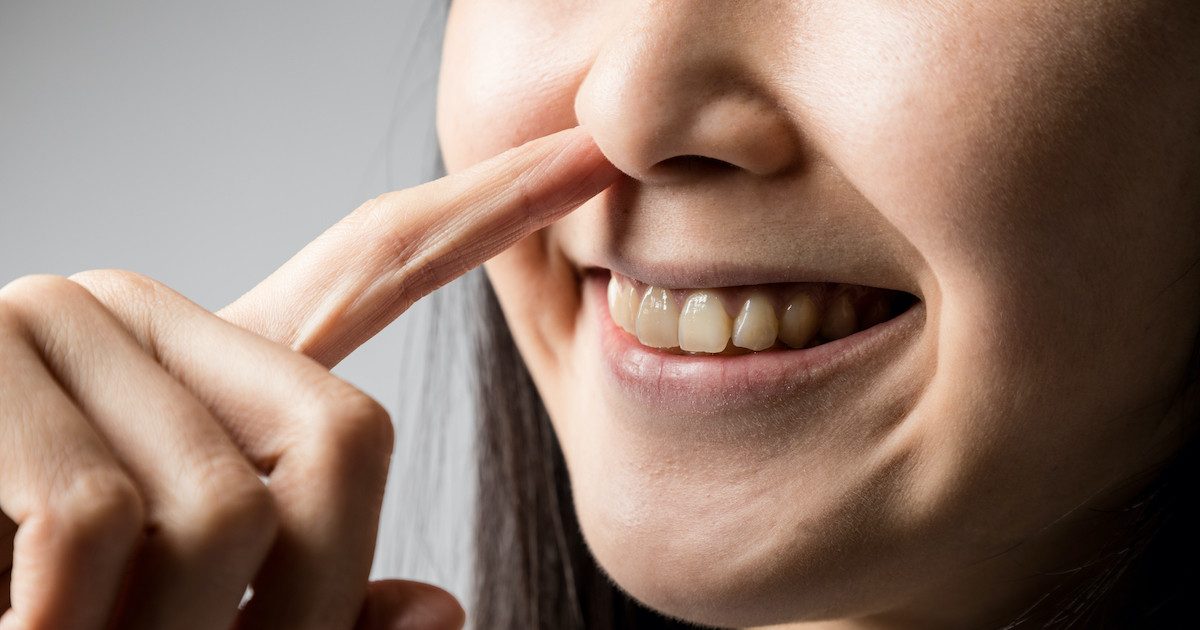
A small but widely shared study in 2022 sparked an outsized concern: could a common habit in the nose help set the stage for Alzheimer’s disease? The research, done in mice, suggested a respiratory bacterium might travel from the nasal cavity along the olfactory pathway into the brain.
The germ in question, Chlamydia pneumoniae, was placed in the nasal passages of mice and later detected in their brains. This route aligns with known anatomy, where smell fibers create a direct highway from nose to neural tissue.
What the experiment actually showed
In the mouse model, scientists chemically damaged the nasal mucosa to make it easier for microbes to invade. That injury is far more extreme than an everyday pick, which usually causes only minor irritation if anything at all.
Researchers then observed brain changes that looked Alzheimer‑like, including protein deposits that mirror deficits seen in human disease. Importantly, the data reveal a plausible mechanism, not a proven causal link in people.
“As the lead author noted, ‘We are the first to show that Chlamydia pneumoniae can travel directly from the nose to the brain, where it may trigger pathologies that resemble Alzheimer’s.’” The same scientist emphasized this is only a first step, not definitive evidence for human risk.
What the study did not prove
No human trial has shown that frequent nose picking increases dementia rates. If such a ubiquitous habit were a major risk factor, population trends in Alzheimer’s would look very different.
Epidemiology still points to age, genetics like APOE‑ε4, and vascular health as the dominant drivers of late‑life cognitive decline. Environmental exposures and infections are being studied, but the evidence remains preliminary and incomplete.
Crucially, damaging the nasal lining appears to be the key step that enabled easier bacterial access in the mouse work. Ordinary hygiene may irritate the mucosa, but it does not equate to deliberate chemical injury.
Sensible ways to protect the nose–brain route
Rather than panic, it’s wise to protect the nasal barrier, which is a first‑line defense against microbes and pollutants. Gentle care lowers local inflammation and may reduce chances of minor bleeding or small tears.
- Keep fingernails short, which reduces accidental scratches inside the nostrils.
- Use saline sprays or rinses to loosen dry mucus, avoiding rough probing.
- Dab with soft tissues instead of hard objects, which can gouge delicate surfaces.
- Avoid plucking nasal hairs; consider cautious trimming to prevent follicle irritation.
- Manage allergies with appropriate therapy, limiting chronic nasal swelling and congestion.
- Wash hands regularly, since fewer germs on fingers means less potential transfer.
If you have frequent nosebleeds, crusting, or persistent pain, a clinician can check for irritation, infection, or structural issues. Treating underlying allergies or sinus disease can also protect the mucosa over time.
How to think about risk
Anxiety thrives on simple stories, but biology rarely offers simple answers. The mouse findings are intriguing, and they remind us the nose and brain are more connected than many realize.
Still, translating animal data to humans requires careful replication and robust statistics. Large cohort studies would need to track nasal habits, infections, and long‑term cognitive outcomes to even suggest causality.
Meanwhile, the most effective ways to lower dementia risk are already well known. Protect heart and brain together: control blood pressure, move regularly, prioritize sleep, and avoid smoking.
Cognitive engagement, social connection, and a balanced diet add further protection. These levers have stronger evidence than any single personal habit involving the nose.
Bottom line
The 2022 mouse study underscores a plausible microbial pathway from nose to brain, especially when the nasal lining is injured. It does not prove that a casual pick causes Alzheimer’s in humans, nor that this habit is a major population‑level driver.
Reasonable nasal care is prudent, but wholesale alarm isn’t warranted. Focus on protecting the nasal mucosa, minimizing infection risks, and strengthening well‑established brain‑health foundations.
Curiosity should guide the conversation, not fear. As stronger human evidence emerges, recommendations can evolve with the science, balancing everyday habits against genuine neurological risk.