
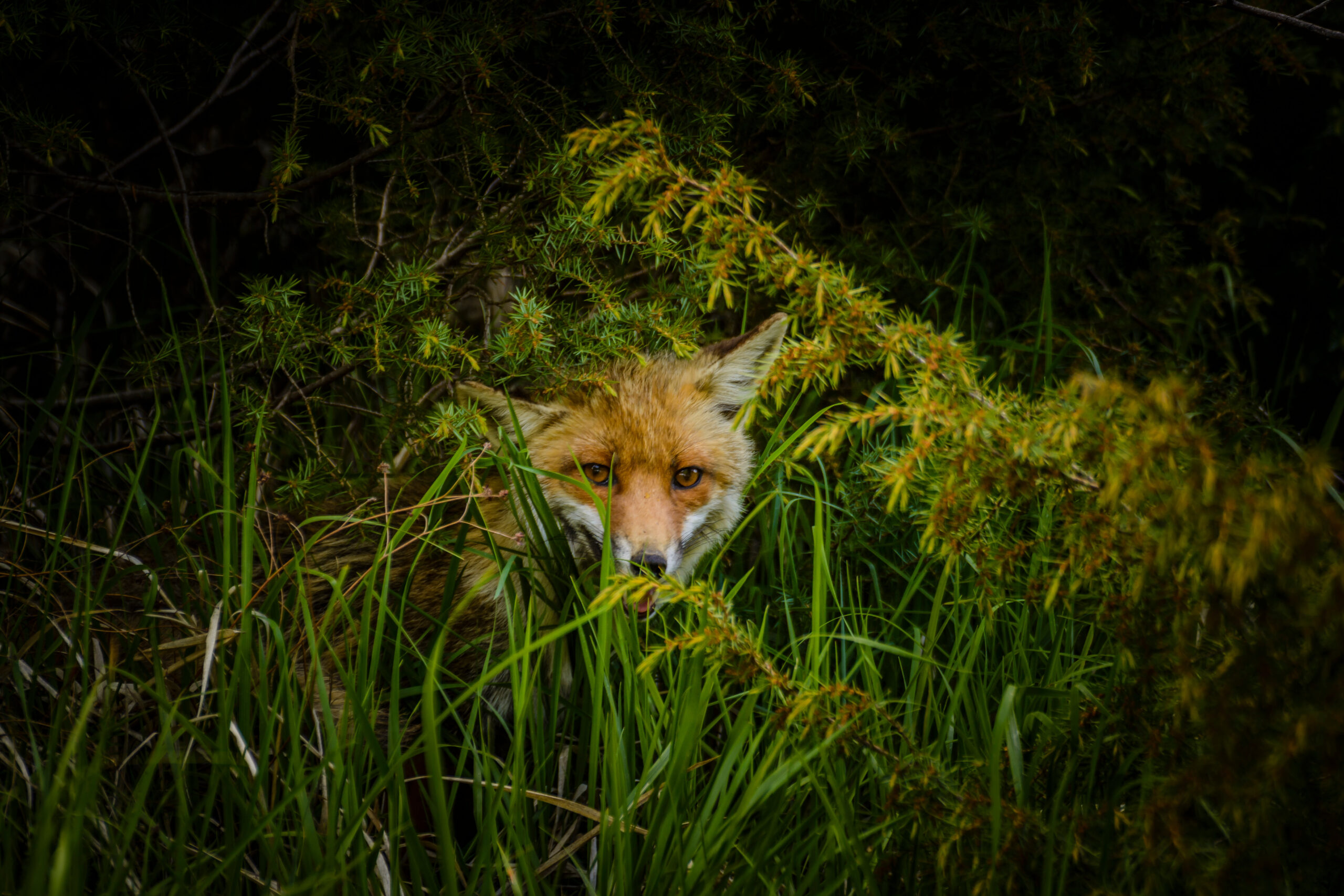
A high-tech refuge meets a wild neighbor
The sleek new campus rising above King’s Cross has an unexpected visitor. London’s notorious urban foxes have found a way to turn this cutting-edge rooftop into their own occasional lookout. Project teams speak of quiet, after-hours sightings, the kind you catch at dawn or dusk when the city exhales. What began as a landscaping vision has morphed into a dialogue between nature and modern work.
A city where foxes feel at home
London’s foxes have been part of the urban fabric since the early twentieth century. Their numbers rose through the 1930s, and today they wander alleys, gardens, and even busy streets with practiced ease. Locals barely flinch at a copper tail flicking behind a bin, or a darting shape crossing a courtyard. On a rooftop, though, the encounter gains fresh charge, collapsing the distance between planned design and untamed reality.
The 11th-floor mystery
How did a nimble fox scale an 11th-floor work-in-progress roof in the middle of an active build? No one can say with certainty, and that ambiguity has only deepened the site’s mystique. Teams tested barriers, reviewed access points, and tightened routines without finding a single convincing answer. Google maintains the visits didn’t halt work, but the rhythm of construction gained a stealthy counterpoint. The city, as ever, wrote its own script, leaving humans to adapt with deliberate care.
A rooftop meant for people, visited by wildlife
This is not just a planted terrace; it is designed as a place to pause, reflect, and even create. The plan imagines walking paths, flexible seating, and tucked-away nooks where ideas can breathe beyond a desktop screen. The prospect of a sudden, whiskered guest introduces new considerations for comfort and safety. HR teams must balance curiosity with duty-of-care protocols, acknowledging different employee comfort levels. As one site observer put it, “We planned for a garden; we got visitors.”
Why a fox might choose a roof
To a fox, the 11th floor is not a curiosity; it is elevated safety, sparse competition, and a quiet vantage. Rooftop landscaping offers cover, insects, and occasional human crumbs that drift into micro-habitats and opportunistic meals. Warm mechanical vents can create cozy microclimates on chilly nights, while planters offer edges to patrol and shaded resting spots. The design that soothes human minds also attracts a lightly nocturnal forager, following scent maps we rarely notice.
Designing for respectful coexistence
The answer need not be hostility or hasty eradication. Smart campuses already blend habitat-sensitive design with clear boundaries. Teams can implement unobtrusive deterrents, humane policies, and concise communication that respects both people and wildlife. Practical steps might include:
- Securing waste and food storage with tight-seal bins
- Adding discreet, non-harmful scent-based deterrents
- Closing small access gaps in railings and roof cladding
- Scheduling quiet landscaping checks at dawn and dusk
- Training staff on wildlife etiquette and basic safety
These measures reduce surprise encounters while keeping stress low for animals and staff alike.
Culture, storytelling, and the brand of place
A brush with urban nature can be framed as risk, or as a teachable moment. Many modern workplaces celebrate biophilic design to spur creativity and calm nerves. The rooftop fox adds a narrative thread that connects a global company to its local context. A campus becomes not only an office but a living story, grounded in the real ecology of the surrounding city. That story invites stewardship, not alarm, and thoughtful guidelines, not knee-jerk rules.
The invisible line between wonder and worry
Employees vary in their appetite for unexpected wildlife, and responsible design must honor that range. Clear signage, notification protocols, and transparent reporting channels can prevent rumor from overtaking reality. Cleaning regimens should eliminate food lures, while landscaping plans can balance lushness with controlled access. The goal is a workplace where curiosity thrives and anxiety stays deliberately low, championing both productivity and humane practice.
Planning for the long term
Urban wildlife trends suggest this will not be a one-off episode, but a continuing relationship. Monitoring patterns over seasons can guide subtle design tweaks, from planter placement to night-light levels. Periodic reviews with urban ecologists can keep the campus aligned with best practice, as regulations and citywide behaviors slowly shift. The measure of success will be a roof that remains inviting to people, neutral to wildlife, and resilient under real-world conditions.
A campus that listens
The quiet lesson from the 11th-floor mystery is not about conquest but listening. Cities are living systems in which steel and fur inevitably intersect, sometimes at surprising heights. If a workplace can acknowledge that truth with calm planning and care, it gains more than a photogenic garden. It gains a culture that is flexible, humane, and curious—the kind of culture that turns serendipity into thoughtful, everyday design.