
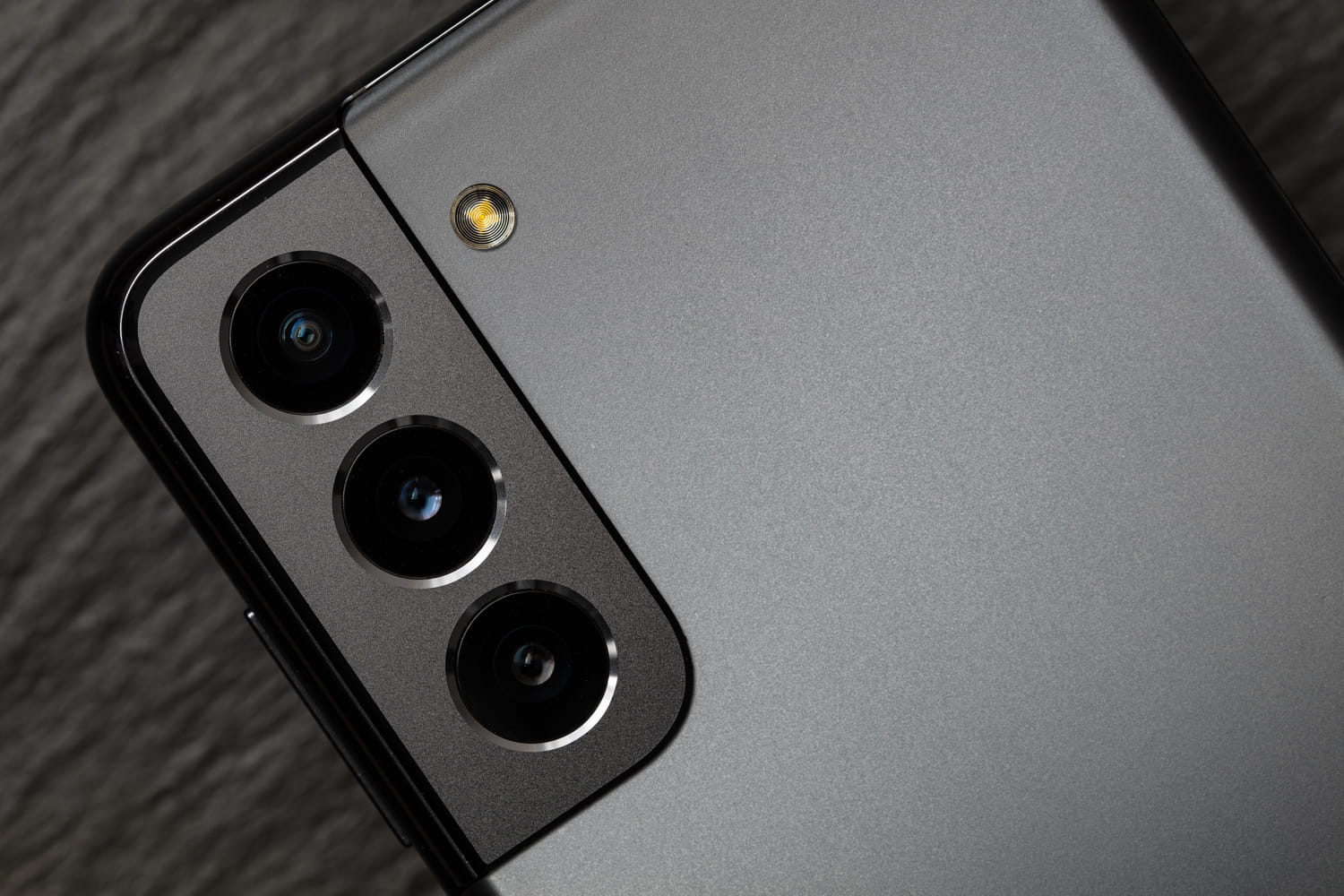
Smartphones are more capable than ever, yet even the most polished devices can harbor serious vulnerabilities. That’s why major manufacturers push frequent updates: to keep performance high while closing the door on evolving threats. In response to a wave of targeted attacks against recent Galaxy models, Samsung has begun shipping an urgent patch to millions of users.
What’s happening
Security researchers flagged a campaign that exploits a flaw on certain Samsung phones to enable malicious code injection and covert control. In practical terms, attackers can potentially gain remote access without the victim’s knowledge, opening the door to data theft and device manipulation. The attack chain appears designed to be stealthy, minimizing visible symptoms while maximizing attacker reach.
Who is affected
The issue primarily concerns Samsung devices running Android 13 or newer, a major release that rolled out broadly in 2022. Based on current distribution, the exposure could touch nearly 15 million users worldwide, spanning a wide range of mid-range and flagship models. If your Galaxy phone was purchased in or after 2022, there’s a strong chance it’s within the impacted cohort.
What has been patched already
Separate but related scrutiny found that some Meta apps, including WhatsApp, faced security issues that have since been patched. The latest WhatsApp build includes a fix, and installing it closes a potential avenue for further exploitation. If you haven’t updated recently, the process takes just a moment and should be treated as a priority.
- Open the Google Play Store and search for WhatsApp.
- Tap Update if the button is available, or confirm you’re on the latest version.
- Restart the app to ensure the new build is fully applied.
How to install Samsung’s fix
Samsung’s system update is rolling out now, with availability that began in early September 2025 and continues across supported regions. To trigger the check manually, open Settings > Software update > Download and install, then follow the on-screen prompts. Your phone will likely require a restart to complete the process, applying device-level protections that block known vectors. Do not put this off: each day you delay leaves your device in a weaker position against active campaigns.
“The safest phone is the one that’s updated today, not tomorrow.”
Why this matters
A successful compromise can expose photos, messages, and stored credentials, while enabling broader device control. If attackers can chain vulnerabilities, they may pivot into more sensitive areas, including cloud accounts, corporate email, and personal finance apps. For many users, the smartphone is the single most valuable computing device they own—protecting it should be nonnegotiable.
The stakes are even higher for business users. A compromised handset can undermine mobile MDM policies, leak confidential files, and serve as an on-ramp to internal systems. Travelers and remote workers are especially at risk if they connect over untrusted networks or reuse weak passwords. In short, a single phone can become a powerful beachhead if left unpatched.
Extra steps to stay safe
Beyond installing the system patch, keep critical apps like WhatsApp and your browser fully updated. Enable Google Play Protect, scrutinize app permissions, and avoid sideloading software from unverified sources. Use strong screen locks, turn on two-factor authentication, and back up your data so recovery is swift if something goes wrong. These habits reduce your attack surface and compound the protection from Samsung’s new update.
What to expect next
Rollouts are typically staged, so timing can vary by region, carrier, and device model. If you don’t see the update yet, check again over the next several days, and ensure you have adequate battery and storage. Samsung and app vendors will continue publishing advisories, so it’s wise to monitor official channels and apply patches as soon as they’re available. With threats evolving fast, rapid updates are your most reliable defense—and this one is particularly urgent.
