
Why B12 deficiency hides in plain sight
Behind persistent fatigue and hazy concentration, a subtle vitamin shortfall can quietly take hold. A deficiency in vitamin B12 often develops silently, blurring the line between ordinary stress and a real health issue. Because B12 supports the nervous system and red blood cell formation, even mild depletion can ripple through daily energy and mood.
Many people dismiss tingling in the hands or feet, low motivation, or pallor as seasonal dips. Yet these are sometimes early signals of a deeper deficit. The longer it remains undetected, the higher the chance of lingering neurological complaints and anemia.
How a home blood test makes early detection simple
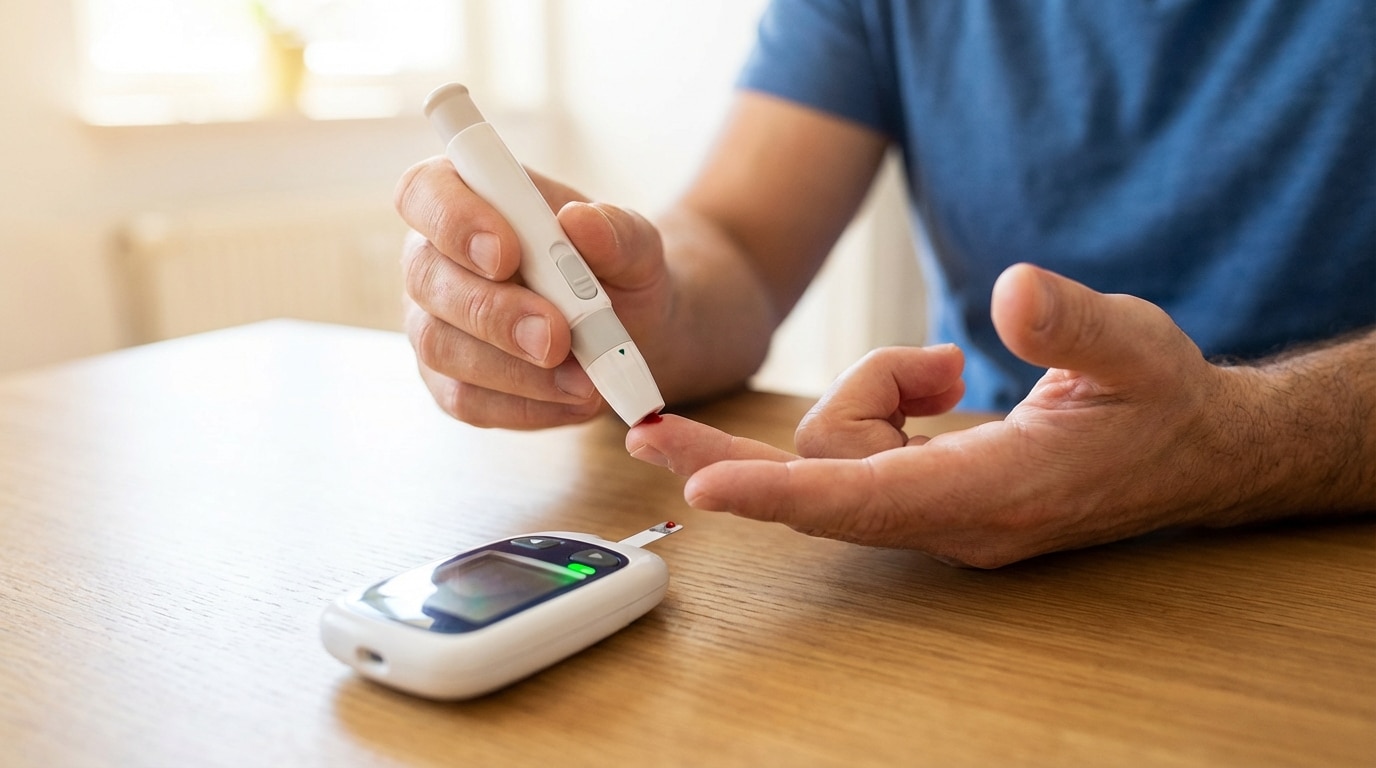
A compact self-test puts answers within easy reach, without queues or long waits. A quick finger prick, a few micro-drops of blood on a reactive strip, and an indicator line appears in under twenty minutes. No appointment, no lab visit—just a small step that can prompt timely care.
Early data point to encouraging accuracy, with the tool catching the vast majority of low-B12 cases. For many, that means less uncertainty and earlier action before symptoms escalate. In practical terms, it transforms vague doubt into a concrete next step.
Who should consider testing sooner
While anyone can face deficiency, some groups are more exposed due to diet or absorption. Vegetarians and vegans consume less natural B12, so their reserves may drop faster. Older adults may absorb nutrients less efficiently, while pregnant women have rising physiological needs.
Consider a home check if you notice headaches, memory lapses, unusual paleness, or fatigue that persists despite good rest. After a major dietary shift, a period of intense stress, or GI conditions that affect absorption, vigilance makes real sense. In winter, when energy often dips, a quick test can help separate routine slump from deficiency.
- Vegetarians or vegans with limited fortified foods
- Adults over 60 with potential absorption changes
- Pregnant or postpartum women with higher needs
- People with GI disorders or long-term medications
- Anyone with persistent fatigue, tingling, or memory concerns
Using the kit correctly
Good technique ensures reliable results. Clean and dry your hands, disinfect the chosen finger, and use the sterile lancet once. Collect the recommended drop volume and apply it exactly to the reactive zone.
Then wait the specified time—not shorter, not longer—before interpreting the line. If the sample was too small, the timing off, or the strip mishandled, repeat the test with a fresh kit. When in doubt, follow up with a professional evaluation.
“Early clarity is kinder than late certainty.”
What to do with a positive result
A positive screen is a strong prompt, not a final diagnosis. Confirmatory blood tests can distinguish low total B12 from functional issues that mimic deficiency. Your clinician can look at related markers and identify the root cause.
Treatment is typically straightforward and effective. Depending on severity and cause, options range from oral supplements to periodic injections and dietary reinforcement with fortified foods. With proper follow-up, most people regain steady energy and protect long-term neurological health.
Practical tips to avoid false steps
Small details can skew results, so consistency matters. Use each item once, avoid cross-contamination, and respect ambient temperature guidance in the kit. Read the insert carefully before your first try.
If your result is borderline or unexpected, repeat the test after a short interval. Persisting symptoms merit a full workup, even with a normal screen. Prevention favors timely checks over prolonged guesswork.
The broader impact of at-home screening
Accessible self-testing shifts prevention from clinic to home, empowering people to act before symptoms turn serious. Earlier detection means fewer delayed diagnoses, shorter paths to treatment, and less cumulative strain on daily life. For those with limited access to care, it’s a welcome, practical bridge.
The benefits extend beyond individual health. Widespread early screening can reduce complications, streamline consultations, and prompt better education about essential nutrients. For B12 in particular, small, early corrections avert big, late consequences.
A timely nudge toward smarter habits
Think of the self-test as a simple checkpoint, not a cause for alarm. When used thoughtfully—during high-risk periods, after dietary changes, or at the first whispers of symptoms—it helps you act with informed confidence. By catching deficiencies early, you preserve vitality, protect nerve health, and keep the season’s demands from tipping into prolonged exhaustion.
In short, a few careful drops, a clear result, and a swift next step can spare months of uncertainty. For a quiet condition with loud consequences, that’s a modern, meaningful win.