
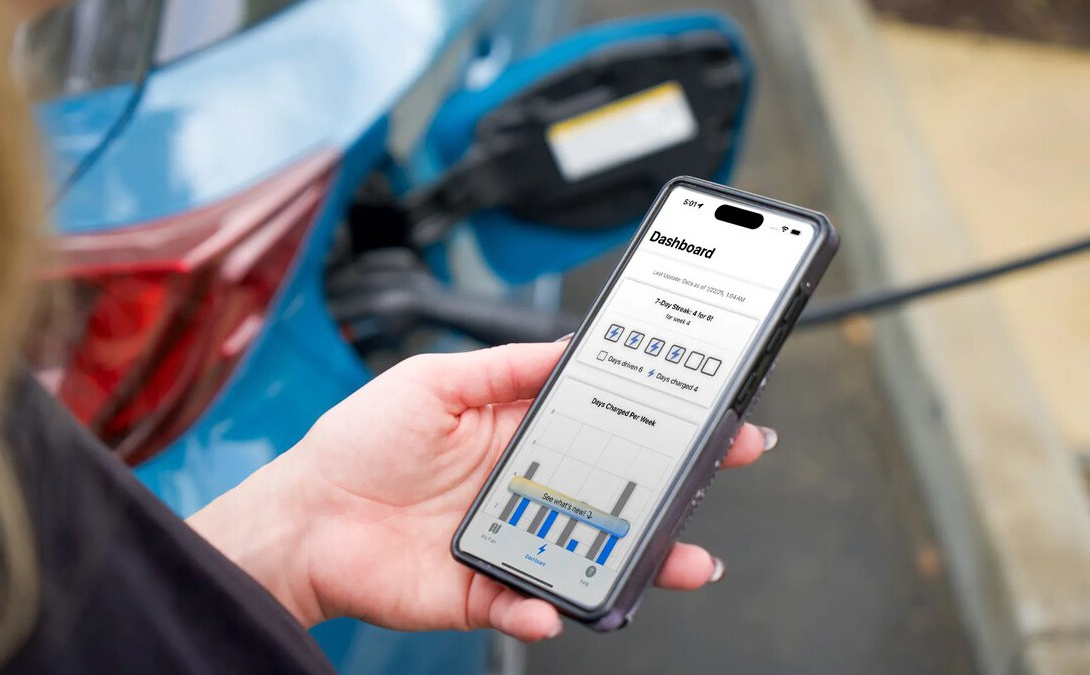
Toyota is testing an app to help recharge electric and plug-in hybrid cars. © Toyota
The plug-in paradox
Plug-in hybrids promise the best of both worlds, but they only deliver if owners actually plug them in. When drivers skip charging, the electric drivetrain becomes extra weight, fuel use climbs, and the ownership experience can turn frustrating. That gap between potential and reality is exactly what Toyota’s new app tries to close. The company is betting that timely digital nudges can turn good intentions into daily charging habits.
A nudge, not a nag
Developed with the Toyota Research Institute, the prototype app leans on behavioral science. Instead of generic alerts, it aims for the right message at the right moment, tied to real-world context and savings. “Small, well‑timed prompts can unlock outsized benefits when they meet drivers where they are.” Early testing in the United States and Japan suggests those nudges are actually working.
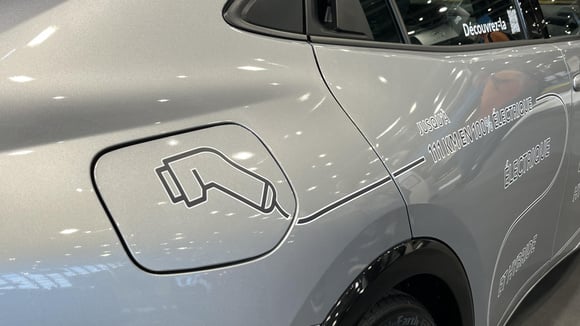
The new Toyota Prius is a plug-in hybrid. © Audric Doche
How the app works
The prototype, called ChargeMinder, acts like a smart charging companion. It cross‑references live GPS location with charger availability to surface nearby opportunities. It recommends off‑peak windows for lower prices and greener electricity mixes. It also adds gentle rewards after good behavior to reinforce the right routine.
- Detects real‑time charging opportunities, based on driver location
- Sends context‑aware notifications, not just clock‑based reminders
- Suggests cheapest or most sustainable time slots, using grid data
- Tracks daily charging streaks with clear, motivating visuals
- Delivers small “well‑done” rewards that build positive habits
- Syncs to a secure cloud with confidentiality assurances from Toyota
The point is not to overwhelm drivers with endless pings, but to make the right action feel easy. By aligning prompts with errands, work hours, and likely dwell time, the app reduces friction at the source.
Why plug-ins need help
When used as intended, PHEVs can slash daily fuel spend and cut tailpipe emissions on short trips. But without regular charging, they often burn more gas than conventional cars due to smaller tanks and added mass. Many corporate fleets in Europe learned this the hard way, reversing PHEV purchases after running cost spikes. Better daily charging turns the technology from “all compromise” to “smart versatility.”
Early results, with caveats
Toyota reports a roughly 10% increase in PHEV charging frequency during a five‑week trial. Driver satisfaction rose by 16 percentage points, reaching 100% within the group that received interventions in the United States. In Japan, where the focus was on EVs, drivers shifted 59% more charging into renewable‑heavy periods. They also added about 30 extra minutes of plug‑in time per day, per vehicle, which compounds into meaningful range.
These outcomes are encouraging, but they are still preliminary. The tests were short, the sample was limited, and participants may have been more motivated than average. Even so, the direction of travel is clear: better timing and sharper cues can reshape charging behavior.
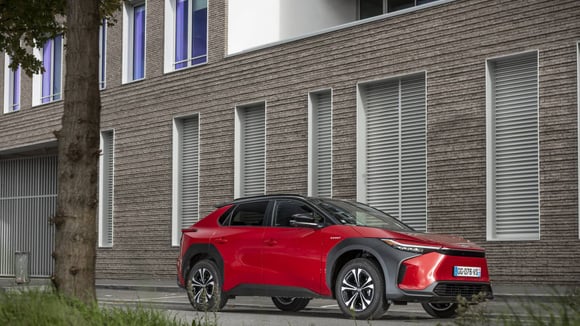
Toyota bZ4X, 100% electric. © Alex Krassovsky
The promise of smarter guidance
ChargeMinder treats charging as a series of micro‑decisions that can be steered with minimal friction. It meets owners at familiar moments—arriving at work, getting home, or stopping for groceries—and connects those moments to concrete gains. For PHEVs, that means more electric miles and fewer trips to the pump. For EVs, that means lower charging bills and cleaner energy use.
Toyota also highlights data privacy, noting that insights are aggregated in the cloud with confidentiality safeguards baked into the design. The value proposition is strongest when drivers see immediate benefits, like cost cuts on their utility bill or longer spans between fuel stops.
Beyond the app
The deeper challenge is education, not just software prompts. Many buyers need clearer guidance on how and when to charge, what costs to expect, and how home and workplace infrastructure can change the math. Automakers that simplify this journey—from installation to daily routine—will unlock more real‑world efficiency from their electrified lineups.
Toyota’s test hints at a practical path forward: make charging simpler, make savings visible, and make good behavior feel rewarding. If the prototype matures into a polished product, it could turn more PHEVs into the vehicles they were meant to be. That shift would help owners save money, fleets cut emissions, and the grid soak up more renewable power at the times it’s most abundant.