
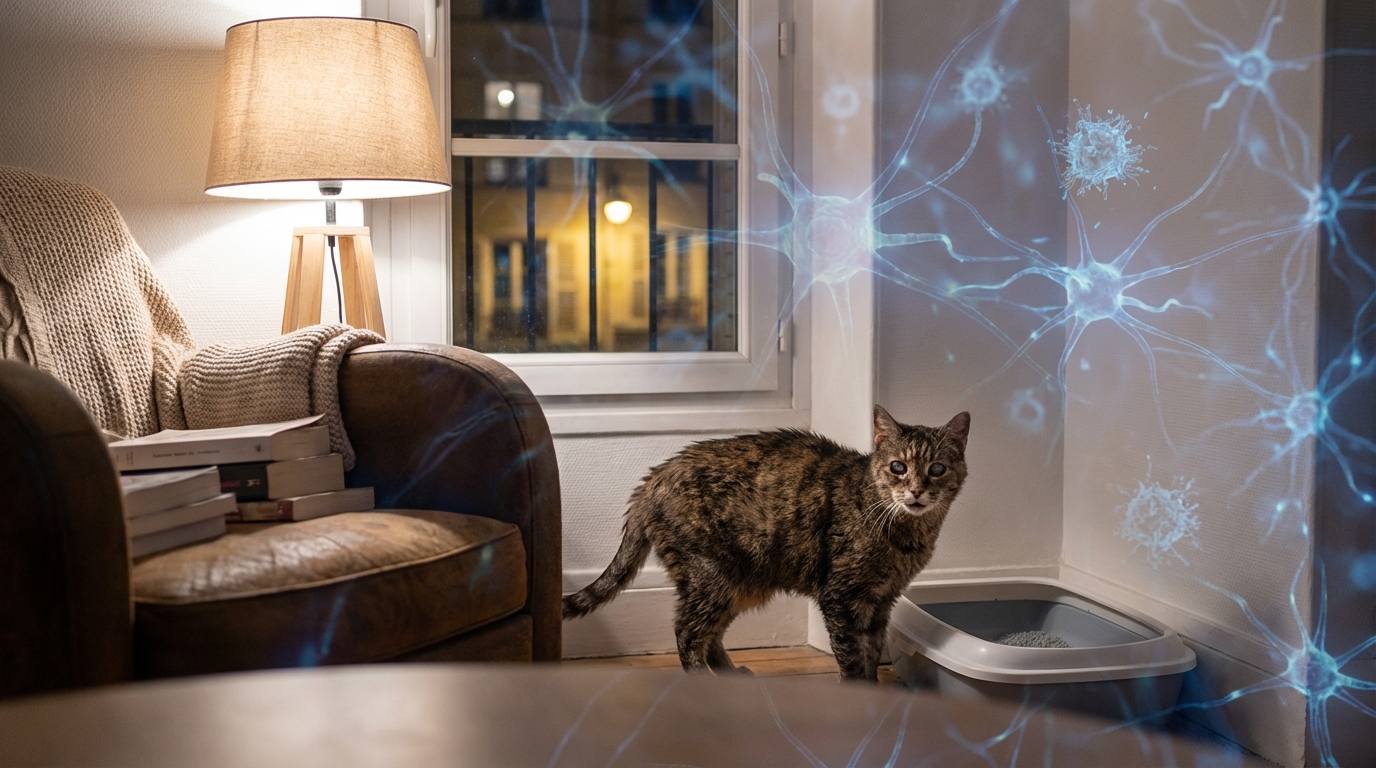
A growing body of scientific research is shedding light on a condition that many cat owners may not realize exists: aging cats can develop a neurodegenerative disorder strikingly similar to Alzheimer’s disease in humans.
Known as feline cognitive dysfunction (FCD), this condition affects the brain over time, leading to changes in memory, behavior, and awareness.
A Silent Condition
As cats live longer thanks to improved veterinary care and nutrition, age-related conditions are becoming more visible.
FCD is one of them.
Researchers have found that older cats can experience brain changes similar to those observed in human dementia, including the buildup of abnormal proteins and the gradual loss of neural function.
Signs Owners May Overlook
Because cats are naturally independent animals, early symptoms are often subtle.
Common signs may include:
-
disorientation in familiar environments
-
altered sleep patterns
-
reduced interaction with owners
-
increased vocalization
These changes can be mistaken for normal aging.
What Happens in the Brain
Studies suggest that aging feline brains can show:
-
protein deposits
-
oxidative stress
-
reduced neuronal connectivity
These processes mirror some of the biological mechanisms linked to human Alzheimer’s disease.
Why It Matters
Understanding FCD is important not only for improving animal welfare but also for advancing research into neurodegenerative diseases more broadly.
Animal models have historically contributed to insights into human cognitive decline.
Supporting Aging Cats
While there is currently no cure, early recognition can help improve quality of life.
Veterinarians may recommend:
-
environmental enrichment
-
dietary adjustments
-
routine stability
These strategies can support cognitive function and reduce stress.
A Shared Aging Journey
The discovery highlights a profound parallel between human and animal aging.
As pets live longer, attention to their mental well-being becomes just as important as physical health.
Recognizing cognitive decline in cats may be the first step toward better care — and deeper understanding of aging itself.