
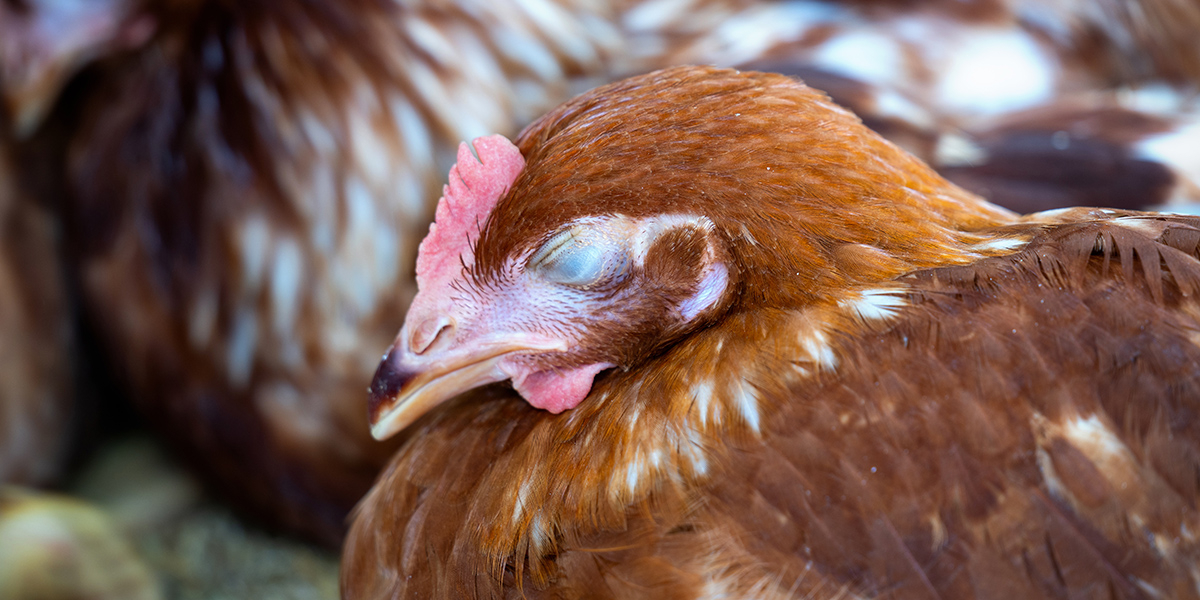
Average lifespan in backyard and farm settings
For most birds, a chicken’s natural lifespan falls between five and ten years. With excellent care, some resilient breeds reach 12 years, and rare individuals surpass even that. The range depends on genetics, environment, and day‑to‑day management.
Backyard keepers often report longer-lived companions than large-scale producers do. That difference usually reflects lighter laying demands and gentler husbandry. In other words, context heavily shapes a hen’s final age.
- Backyard hens: commonly 6–8 years, with occasional 10–12 year outliers.
- Commercial hybrids: often 3–5 years because of intensive early laying.
- Ornamental breeds: frequently 8–10 years thanks to slower, steadier metabolism.
Why high-production hens tend to live less
Modern laying hybrids are selected for relentless output, sometimes topping 280–300 eggs in the first two years. That strain taxes the liver, kidneys, and reproductive tract. As a result, many retire early, with longevity typically under five years.
Traditional breeds lay fewer eggs per year but for more seasons. The slower rhythm reduces cumulative stress, supporting better long-term health and a longer expected life.
Key factors that shape longevity
Diet is foundational to robust aging. Offer balanced layers’ feed, steady protein, grit for digestion, and bioavailable calcium for shell and bone strength. Avoid chronic treats that drive obesity and fatty liver disease.
Environment matters just as much. Space to roam, clean bedding, dry ventilation, and safe perches reduce respiratory issues and injury. Daily access to dust baths curbs mites and supports feather health.
Predator protection is a critical lever. Secure doors, buried wire, covered runs, and nighttime lockup deter foxes, martens, dogs, and aerial hunters. Vigilance today becomes longevity tomorrow.
Preventive care limits stealthy threats. De-worm strategically, monitor droppings, and quarantine newcomers to prevent parasitic and viral spread. Clean tools and fresh water cut everyday risk.
Finally, lower chronic stress. Stable routines, calm handling, and a harmonious pecking order protect immunity and overall vigor.
Life stages and how aging shows
Chicks sprint through rapid growth from zero to six months. Prime laying typically spans six months to two years. Output then tapers gradually through years three and four.
From year five onward, most birds become visibly senior. You may notice slower movement, paler combs, and longer naps. Even so, many remain bright, social, and very curious.
- Reduced laying: fewer eggs or complete seasonal pauses.
- Comb changes: paler color and softer texture.
- Feathers: less gloss and slower molt recovery.
- Mobility: stiffer gait and gentler daily pace.
- Condition: leaner frame despite adequate feeding.
Simple habits that extend a hen’s life
Think consistency, not complexity. Small, repeatable routines stack into durable health. Aim for clean water, complete feed, and predictable bedtime security.
- Feed balance: quality ration, measured treats, steady calcium.
- Clean coop: dry litter, regular scrapes, and seasonally deep cleans.
- Parasite plan: scheduled checks plus prompt, targeted treatment.
- Space: generous run area to reduce conflict and chronic stress.
- Protection: lock up at dusk; inspect fencing every week.
- Observation: weigh occasionally and log appetite and behavior.
“A calm hen is a long‑lived hen: reduce daily stressors, and you add months—often years—to her life.”
Records and a note on stewardship
Exceptional hens have reportedly reached 15–20 years, though such cases are rare and typically involve pampered, low-production lives. The outliers remind us that genetics sets a ceiling, while care determines how close we get.
When laying slows, many keepers still cherish their birds as gentle, instructive companions. Older hens mentor younger flocks, teaching foraging, roosting, and calm flock etiquette. With reasonable protection and attentive care, your backyard birds can enjoy long, healthy, and deeply rewarding years.