
Rising concern over youth mental health has pushed many schools to adopt universal programmes that promise prevention, literacy, and early support. Yet fresh UK evidence suggests that results are mixed at best, with potential risks that deserve closer scrutiny. Policymakers face a delicate trade-off: act quickly to help distressed children, or pause to refine interventions that may not work as intended.
What these programmes set out to do
Between 2018 and 2024, three well-known programmes were rolled out across more than a hundred UK schools. YAM targeted students through five sessions led by external mental health professionals, emphasising role-play and collaborative discussion. The Guide equipped teachers to deliver six lessons on disorders, stigma, and help pathways, aiming to build literacy and reduce false beliefs. Aware & Inspire taught mindfulness, relaxation, and wellbeing skills, focusing on safety, calm, and everyday coping.
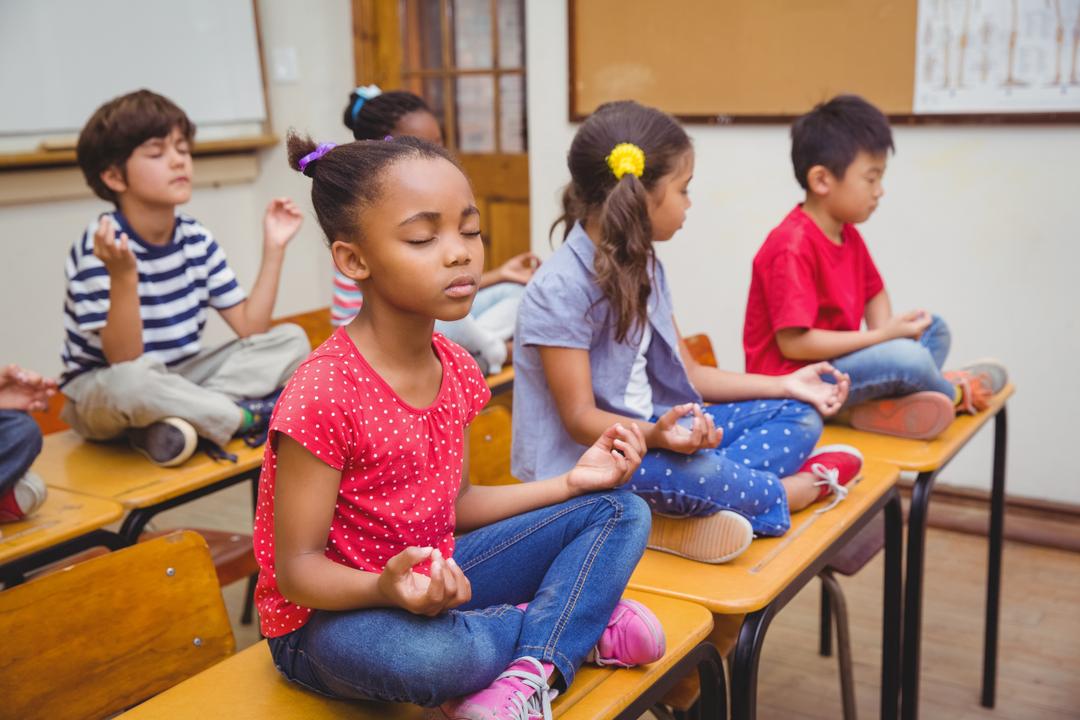
Image: https://cdn8.futura-sciences.com/a1080/m%C3%A9ditation%20-%20extrait%206.jpeg
Caption: Mindfulness and relaxation showed no significant effect on students’ emotional difficulties. © WavebreakMediaMicro, Adobe Stock
Results from independent evaluations complicate the optimistic narrative. While participation was broad and delivery largely feasible, outcomes on core emotional difficulties were typically null, and in some cases worse. The best-supported gains were in help-seeking intentions, especially in primary schools, where teacher-led content likely felt more accessible.
What the findings actually show
Across trials, universal lessons did not reliably reduce anxiety, depression, or daily distress. In certain cohorts, programmes coincided with higher difficulties or lower life satisfaction, raising flags about unintended harm. Mindfulness and relaxation did not produce meaningful benefits, despite strong hype. However, teacher-delivered literacy content modestly boosted help-seeking readiness, a concrete and potentially protective step.
Key takeaways include:
- Universal, short-format lessons show limited efficacy on emotional symptoms.
- Some cohorts experienced small but concerning worsening of wellbeing indices.
- Help-seeking literacy is a bright spot, notably in primary school settings.
- Programme delivery is feasible but outcomes hinge on context, fidelity, and student needs.
Why outcomes fell short
Several dynamics likely eroded impact. First, universal one-off lessons may be too brief, generic, or disconnected from daily stressors, limiting real-world transfer. Second, programmes often individualise responsibility, encouraging self-regulation without tackling structural drivers like poverty, bullying, exam pressure, or discrimination and community-level trauma. Third, content may raise awareness faster than it delivers effective skills, momentarily increasing distress or self-focus without adequate scaffolding.
“Asking young people to self-manage systemic stress with individual tools can feel like bringing an umbrella to a storm,” one practitioner observed.
Risks that cannot be ignored
Scaling light-touch interventions carries non-trivial risks. There is potential to normalise under-resourced responses, displacing specialist care or broader social policy. There is a risk of pathologising normal adolescent feelings, fuelling unnecessary labeling and self-diagnosis via checklist language. Confidentiality lapses or poorly handled disclosures can erode trust and retraumatise students. And generic lessons may miss groups facing targeted harms, such as LGBTQ+ youth, who often endure disproportionate bullying and isolation.
Image: https://cdn8.futura-sciences.com/s320/images/LGBT-ado.jpeg
Caption: At school, LGBTQ+ students are especially exposed to harassment. © DisobeyArt, Adobe Stock
When programmes lack culturally responsive content, they risk deepening inequities under the banner of universal prevention. These are not reasons to abandon schools as platforms for mental health promotion, but they do argue for sharper design and stronger safeguards against harm.
Building stronger programmes
Evidence points toward a whole-school approach rather than drop-in lessons. That means integrating anti-bullying policy, teacher development, parental engagement, and targeted support for high-risk students. Embedding skill practice across the curriculum, over months not weeks, allows habits like emotion regulation and help-seeking to become genuinely usable. Body-based learning—movement, breath, and interoceptive awareness—should pair with cognitive content, ensuring students can notice and regulate physical signals of stress.
Programmes should:
- Map and address structural barriers (safety, workload, stigma, and access to care).
- Co-design with students, families, and marginalised groups to ensure relevance and equity.
- Link classroom learning to clear referral pathways and trained pastoral staff.
- Use rigorous, harm-sensitive evaluation with transparent reporting and long-term follow-up.
A cautious path forward
The prudent response is neither blanket adoption nor outright rejection, but iterative improvement guided by independent evaluation. Where benefits are strongest—such as increased help-seeking literacy—scale carefully with fidelity and support structures. Where signals suggest harm or no effect, pause, adapt, and test before wider rollout. Above all, match classroom skills to the realities of students’ lives, and pair individual strategies with systemic change. In youth mental health, careful design and humble learning are not luxuries; they are core safeguards.